10 Pet-Friendly Indoor Plants Safe for Cats and Dogs
Botanical Horticulturist & Food Preservation Specialist at Brittle Bloom · Certified Master Gardener & Master Food Preserver · 12+ Years in Plant Propagation & Food Preservation
When you're hunting for pet friendly indoor plants, the problem starts before you even pick a pot. A tag that says "pet friendly" can hide a plant that will upset your cat's stomach or leave your dog drooling. And a plant with a harmless-sounding name can be the most dangerous one in the shop.
So what actually matters? Knowing exactly what species you're buying and how your pet chews, claws, and explores.
In our research, the ASPCA Poisonous Plants Database stands as the clearest baseline we've found. It catalogs over 1,000 toxic and non-toxic species, each tied to its botanical name. That database doesn't use marketing terms.
It tells you what's truly safe and what isn't. And it's the perfect starting point for making your green space a safe space.
Why a Pet-Friendly Label Isn't Enough
"Pet friendly" sounds reassuring, but it's not a scientific term. It's a label a nursery slaps on any plant that won't kill your pet outright. That's a dangerously low bar.
Many plants that aren't toxic still cause vomiting, diarrhea, or intense mouth pain.
Common names make it worse. "Peace lily" and "lily" sound similar, but they're completely different. True lilies, the Lilium species, can cause kidney failure in cats.
Peace lilies, the Spathiphyllum species, contain calcium oxalate crystals that cause drooling and swelling. Both are often just labeled "lily" at the store.
The ASPCA database sorts plants into toxic and non-toxic lists using exact botanical names. That's the standard to trust. And even then, non-toxic doesn't mean digestible.
It means the plant won't cause organ damage or death. A spider plant can still make a puppy projectile-vomit if he eats an entire leaf. So treat every label as a starting point, never a guarantee.
Check the Latin name, verify it, and then watch your pet's reaction for the first week.
What Actually Makes a Plant Safe (or Dangerous) for Pets
The danger in a plant usually comes from specific chemical compounds. The most common ones are insoluble calcium oxalate crystals. These tiny, needle-like structures sit in plants like peace lilies, pothos, and philodendrons.
When a pet chews a leaf, the crystals pierce the mouth, tongue, and throat. That triggers immediate drooling, pawing at the mouth, and sometimes swelling serious enough to block breathing.
The second major group is saponins. These soap-like compounds appear in snake plants, English ivy, and some aloe varieties. Saponins irritate the stomach and cause vomiting or diarrhea.
They're rarely fatal, but they're miserable for your pet.
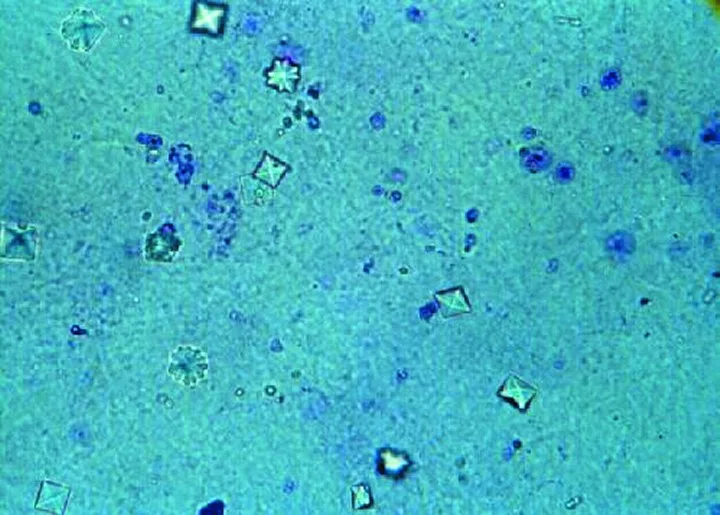
Image source: Wikimedia Commons / NASA/JSC
True lilies (Lilium and Hemerocallis) are the worst offenders for cats. A tiny nibble of a leaf, petal, or even pollen can trigger acute kidney failure. That's not a stomach upset.
It's a life-threatening emergency. If you have a cat, true lilies have no place in your home, period.
So "safe" is a spectrum. A plant can be non-toxic per the ASPCA and still send your dog to the vet for a bad afternoon. The practical takeaway: know the specific toxic compound, know which part of the plant holds it, and understand your pet's habits.
Then you can choose with your eyes open.
The Best Pet-Safe Houseplants: Picks for Every Light Condition and Skill Level
Let's get to the good stuff. These plants are backed by the ASPCA database as non-toxic, and they're easy enough for a new plant parent. No chemistry worries, just greenery.
For low-light corners, you can't beat a parlor palm or a cast iron plant. Both are non-toxic, tolerate dim conditions, and stay happy in a pot. They're also not interesting to most chewers.
For medium to bright indirect light, spider plants are a classic choice. They're forgiving, safe, and produce little plantlets you can share. Calatheas, with their striking veined leaves, are also safe, but they're thirsty plants that like humidity.
If you want a succulent, stick with Haworthia or Echeveria.
Here's a quick look at some solid options:
| Plant | Light | Water | Pet-safe | Skill level |
|---|---|---|---|---|
| Parlor palm | Low indirect | Low | Yes | Easy |
| Spider plant | Bright indirect | Moderate | Yes | Easy |
| Calathea | Medium indirect | High | Yes | Moderate |
| Haworthia | Bright direct | Low | Yes | Easy |
| Peperomia | Medium indirect | Moderate | Yes | Easy |
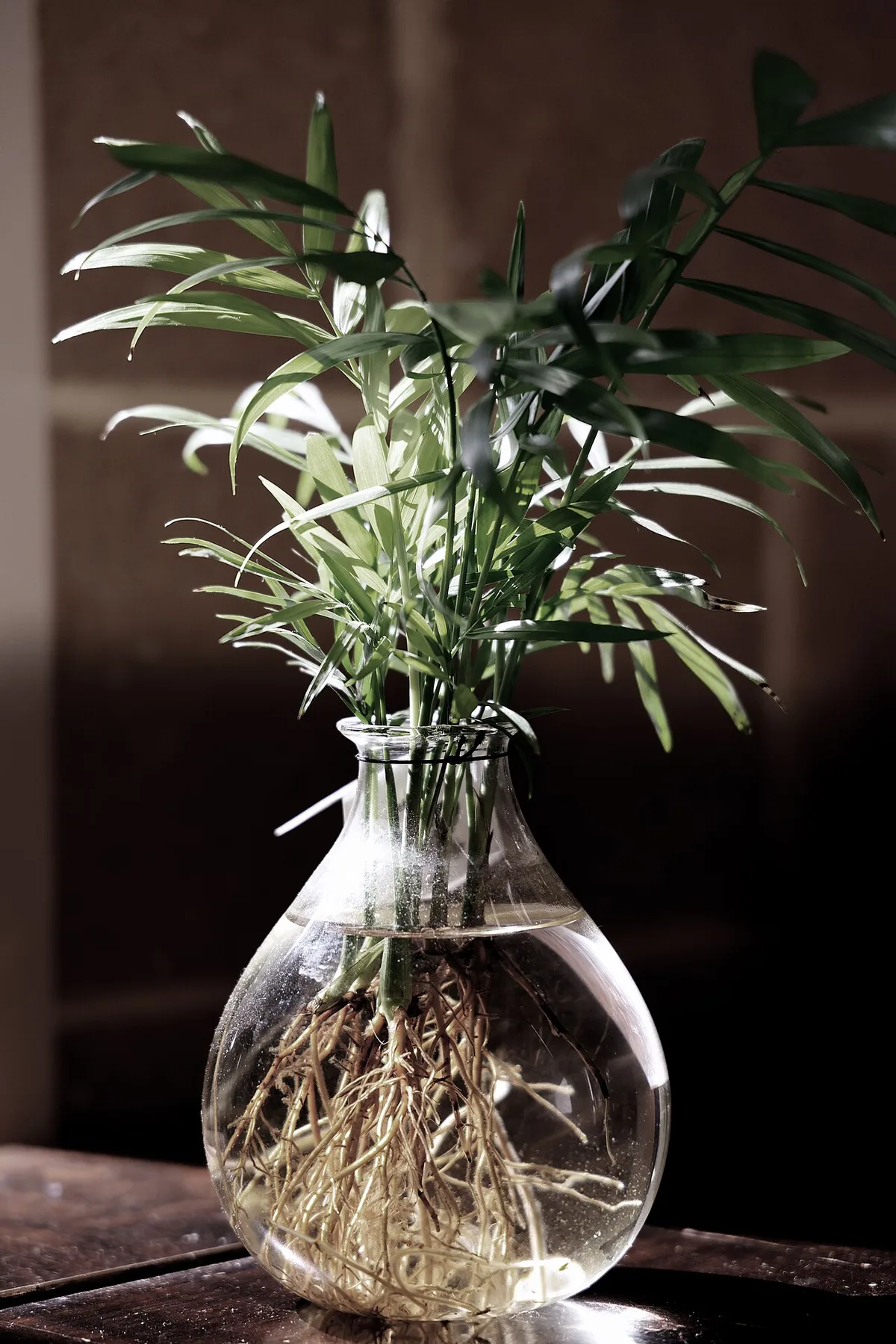
Image source: Wikimedia Commons / Bhullargraphic (CC BY-SA)
One quick warning on succulents. Many are safe, but jade and kalanchoe are toxic. Always check the botanical name.
"Echeveria" and "Haworthia" are safe; "Jade" is not.
How to Introduce a New Plant Without Turning Your Pet Into a Problem
You picked a safe plant, but the work isn't done. Your pet needs to learn that this new green thing isn't a chew toy. The first 48 hours are the highest-risk window.
Start with the botanical name. Write it down and keep a photo of the plant on your phone. That way, if something does happen, you have the exact species ready for your vet.
Then choose the placement carefully. If your cat is a climber, a tall shelf isn't out of reach. It's a personal challenge.
If your dog loves to dig, cover the soil with large pebbles or a layer of coarse gravel.
Let your pet sniff the plant from a safe distance first. Watch for a tentative nibble. Most pets will taste a leaf once, decide it's not food, and move on.
That's the ideal outcome because the plant is safe. For persistent chewers, offer a better option. A pot of cat grass or wheatgrass gives them something safe to chew on and satisfies that urge to graze.
Check the plant daily for new bite marks. If your pet keeps damaging it, move the plant somewhere truly unreachable. A tall plant stand or a closed terrarium works well.
And never punish your pet for nibbling. Redirect instead. With a little patience, your green corner and your furry friend can coexist peacefully.
5 Common Mistakes That Land Pets in the Vet's Office
Most pet-plant emergencies aren't accidents. They're the result of a few predictable, avoidable mistakes.
Trusting common names instead of botanical ones. "Swiss cheese plant" sounds harmless, but it's Monstera deliciosa, which is toxic. Always search the Latin name to know what you're really dealing with.
Forgetting that "safe" doesn't mean "snackable." Even non-toxic plants cause mild vomiting if your pet eats half the pot. Watch how much your pet actually ingests, not just what species it is.
Ignoring the soil and fertilizers. The plant might be safe, but store-bought potting soil can contain fertilizer, systemic insecticides, or slow-release granules. Those chemicals can be more dangerous than the plant itself. Repot into fresh, pet-safe potting mix when you bring a new plant home.
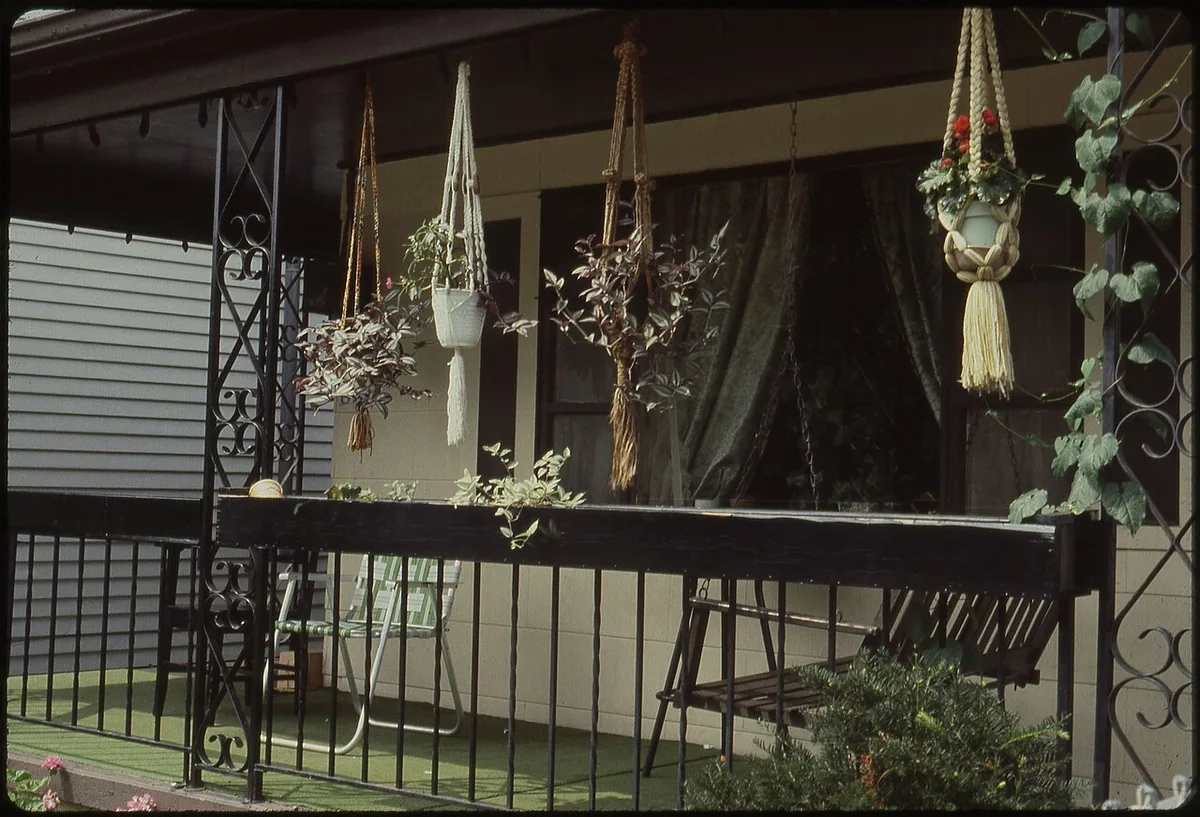
Keeping toxic plants anyway, just out of reach. Cats climb. Dogs jump. A hanging planter is not a secured cabinet. The safest policy is to keep toxic plants out of your home entirely.
Waiting to look up the plant until after something happens. By then, you're in a panic. Write down the botanical name and save a photo before your pet has any chance to get curious. Fast identification gives your vet a huge head start.
Emergency Plan: What to Do If Your Pet Eats a Plant
Minutes matter after a plant gets chewed, swallowed, or pawed at. Don't wait for symptoms to appear. The faster you react, the more options your vet has.
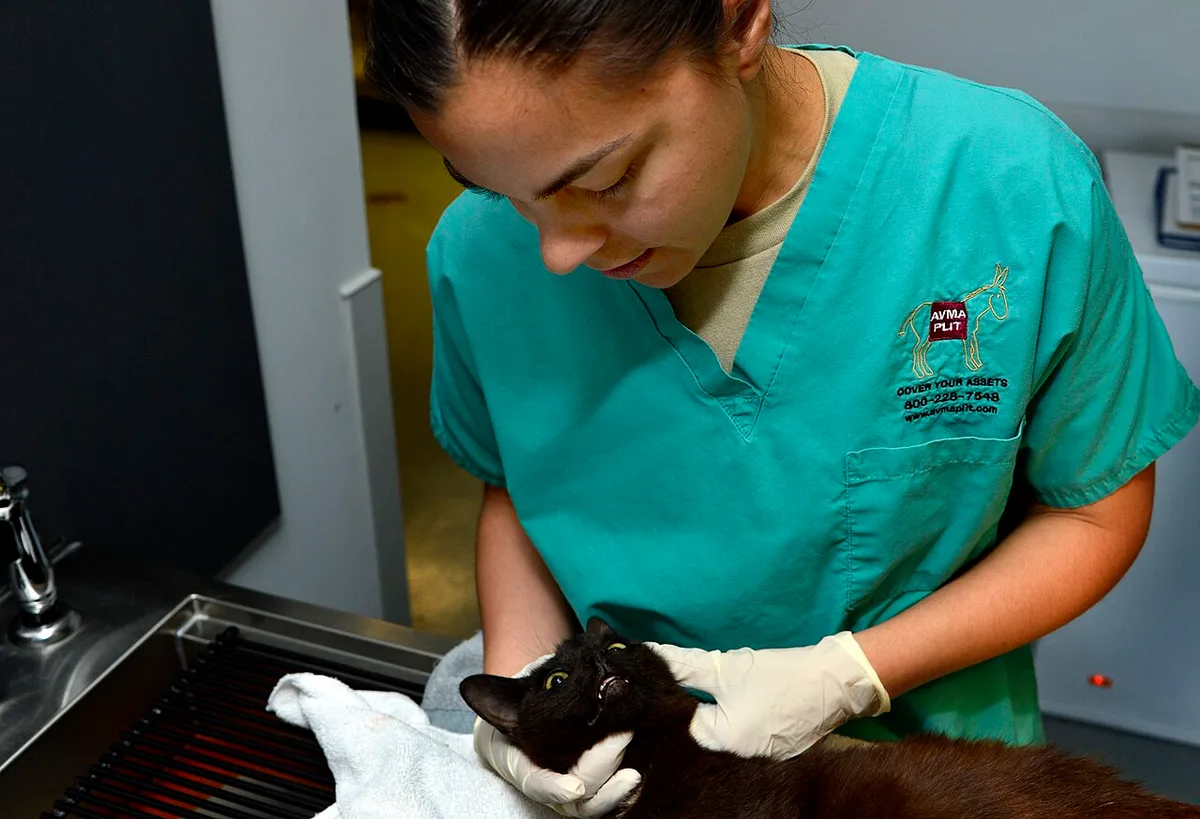
Image source: Wikimedia Commons / Senior Airman Jared Duhon
Work through this plan in order. If your pet ate a plant, stay calm and move quickly.
- Move the pet away from the plant and any fallen leaves.
- Find the botanical name. Check the pot tag or the photo you saved on your phone.
- Call your vet or the Pet Poison Helpline immediately. Even if the pet looks fine, call.
- Collect a sample of the chewed leaf, the label, and any vomit into a bag.
- Never induce vomiting unless your vet tells you to. Some toxins burn worse on the way back up.
A single nibble of a non-toxic plant rarely needs an emergency visit. But even a small amount of true lily or sago palm does. If you're unsure, call anyway.
That call is cheap insurance.
Know the difference between a watch-and-wait situation and a true emergency:
| Emergency signs: call the vet now | Mild signs: monitor closely | | Severe drooling or pawing at the mouth | Drooling that stops within 15 minutes | | Swelling of the face, tongue, or throat | No swelling, no trouble breathing | | Repeated vomiting or diarrhea | One nibble of a non-toxic plant | | Lethargy, tremors, seizures, or collapse | Normal energy and appetite |
If your pet shows any left-column sign, go to the emergency vet now. Don't wait. That head start we mentioned earlier becomes the difference between a bad afternoon and a hospital stay.
Pet-Safe Plant FAQs
A few questions keep showing up across forums, nursery counters, and vet offices. Here are the straight answers.
Are all ferns safe for pets?
Most true ferns are non-toxic. Boston ferns, bird's nest ferns, and staghorn ferns are safe for cats and dogs. Asparagus ferns are the exception.
They cause upset stomachs if eaten.
Is a money tree safe for cats and dogs?
Yes. The money tree (Pachira aquatica) is non-toxic to cats and dogs per the ASPCA. It's also a forgiving indoor plant that handles low light and irregular watering.
That makes it a top pick for beginners.
What should I do if my pet chews a toxic plant?
Call your vet or the Pet Poison Helpline right away. Don't wait for symptoms to show. Collect a sample of the plant and any vomit for identification.
Never induce vomiting without professional instruction.
Do cats eat plants when they're sick?
Not usually. Cats chew leaves from curiosity, play, or boredom. If grazing becomes a daily habit, offer cat grass or a pot of wheatgrass.
If the behavior keeps up, mention it to your vet.
Final Takeaway: A Green Home That Keeps Everyone Safe
The goal isn't a plant-free home. It's a smart home. Choose species with verified safety records and place them where curious paws can't do damage.
Keep emergency numbers on the fridge and in your phone.
Before you buy anything, check the exact species against the ASPCA database. Match the plant to your light, your watering habits, and your pet's personality. A cast iron plant works in a dark corner.
A calathea needs humidity you'll have to maintain.
The botanical name is your source of truth. Write it on the pot tag, snap a photo, and store it. That small habit turns a frantic search into a quick answer.
Non-toxic doesn't mean indigestible. Watch any new plant for the first 48 hours. Cover exposed soil to stop digging.
Offer cat grass as a distraction. These tiny steps prevent the messy mistakes we covered earlier.
You can have lush, colorful greenery and a happy, healthy pet in the same room. It just takes thoughtful choices, safe placement, and a little planning. That's the whole trick.

Similar Posts