How Farmers Market Pricing Works: Smart Shopping Tips
Botanical Horticulturist & Food Preservation Specialist at Brittle Bloom · Certified Master Gardener & Master Food Preserver · 12+ Years in Plant Propagation & Food Preservation
Farmers market pricing is more art than math, but it's not a guessing game. Charge too little and you're subsidizing every customer's dinner. Charge too much and your stall stays quiet while the stall next to you sells out.
The sweet spot exists, and you just need a system to find it.
The best vendors don't pull numbers from thin air. They start with real production costs, then factor in their market's shopping habits. As of 2026, the USDA Agricultural Marketing Service reports fresh local produce typically carrying a 15% to 50% premium over grocery-store prices.
Your job is to find where you land in that range.
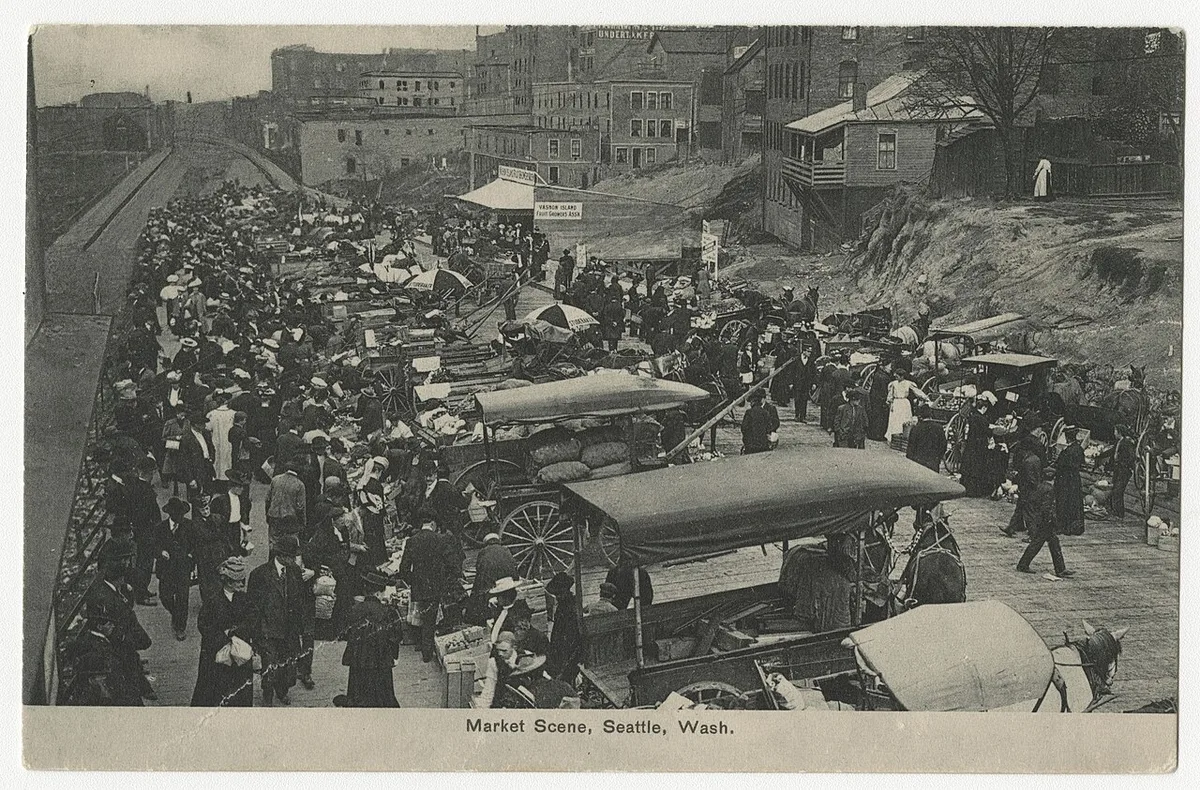
Image source: Wikimedia Commons / Wikimedia Commons contributor
Quick Answer
Farmers market pricing starts with your real costs. Add a value-based premium customers will accept. Per-unit and per-pound pricing keep it clear.
Test one price at a time. Adjust as the season changes.
Do You Actually Need to Change Your Prices?
Before you touch a single price tag, ask yourself a harder question. Is your whole system broken, or just one item? Most pricing problems come from a single mismatch, not a total failure.
If your bestsellers sell out every week while slower items rot, you're underpricing the popular stuff. If customers pick up an item, check the price, and put it back, you're likely above what your market expects. If you cover costs but never bank a real profit, your volume may be the issue.
Pricing is still fine.
Run a quick diagnostic. Track one full market day. Note what sells in the first two hours, what sells in the last hour, and what never sells.
Then compare that against your price list.
Signs You're Undercharging (and Leaving Money on the Table)
- Your produce sells out before 11 a.m. every week
- Customers say "that's it? I expected to pay more"
- You price everything in whole dollars while neighbors use $3.75 and $6.50
- No one haggles, even at peak season
Signs You're Overcharging (and Scaring Away Regulars)
- People pick up items, check the price, and put them back
- Regulars buy less each week instead of more
- You're the priciest vendor at the market for a comparable product
- Sales drop whenever a nearby vendor has the same thing
If any of these sound familiar, the next section breaks down the exact variables that decide your number.
The Five Questions That Decide Your Price
Farmers market pricing changes with conditions. Answer these five questions and you'll land on a price your market will actually pay.
What's your real cost per unit? Add seeds, soil, water, harvest time, packaging, fuel, and stall fees. That number is your floor. Price below it and you're losing money on every sale.
Who shops at your market? A downtown weekend market with tourists supports premium pricing. A weekday market in a working-class neighborhood needs gentler numbers. Same tomato, different price.
What are other vendors charging? Competitive market pricing tells you the ceiling. You don't have to match anyone, but you need to know where you sit.
How does your product compare? Heirloom, organic, local, and just-picked can justify a value-based premium. If your product looks identical to the next stall, you're in a commodity game.
What are you really selling? A jar of jam competes differently than a head of lettuce. Value-added goods like honey, bread, and prepared foods often command 50% to 100% over ingredient costs.
Here's a quick comparison of common pricing models.
| Model | Best For | Watch Out |
|---|---|---|
| Per-unit | Eggs, bread, flowers | Hard to compare sizes |
| Per-pound | Produce that varies in size | Needs certified scale |
| Bundle / fill-a-bag | Berries, small tomatoes | Can shrink per-unit profit |
| Tiered (small/medium/large) | Natural size ranges | More signs and inventory |
Your Starting-Price Workflow: From Cost to Price Tag
Once you know your pricing model, it's time to build a real number. Follow these five steps. Revisit them at the start of every season.
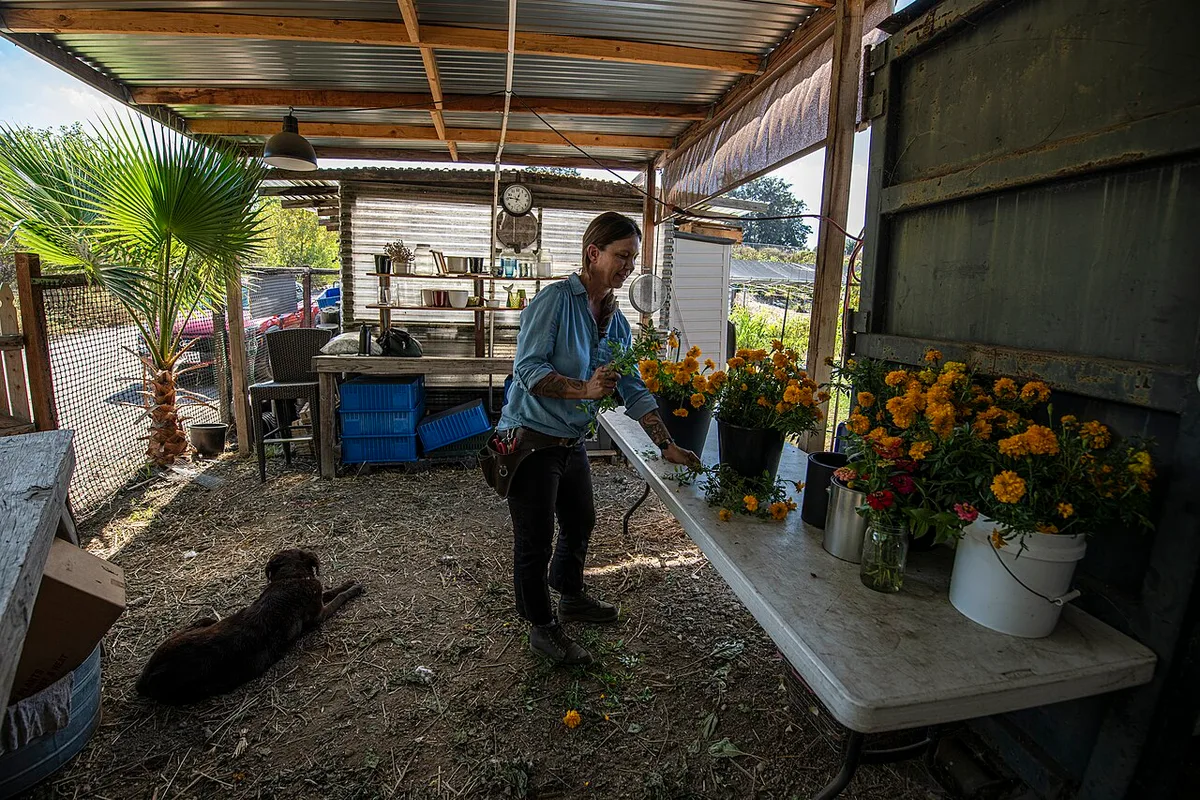
Image source: Wikimedia Commons / USDAgov
Step 1: Add Up Every Cost (Including Your Time)
List everything: seeds, soil, water, labor, packaging, fuel, and stall fees. Don't skip delivery time or market-day setup. Aggregate vendor surveys show more than half of sellers forget those two items.
That omission quietly eats profit.
Step 2: Set a Price Floor
Divide total costs by the number of units you expect to sell. That break-even price is your floor. Anything below it is charity, not business.
Step 3: Choose a Pricing Model
Per-unit works for eggs, bread, and flowers. Per-pound works for produce with natural size variation. Bundles work for small items like berries and cherry tomatoes.
Pick one and keep it consistent.
Step 4: Add a Premium That Makes Sense
Now apply a value-based uplift. This is where "local, fresh, and small-batch" becomes real money. Common premiums over grocery-store prices run 15% to 50% for produce.
Value-added foods can go to 100%. Start lower if you're new. Move up as your reputation builds.
Step 5: Create Clear Price Signs
Use "each" or "per pound" on every sign. Round prices to the nearest quarter. Customers shouldn't have to ask.
Confused buyers walk away.
Test and Adjust Without Losing Customers
You'll never know a price is right until it's in front of real buyers. But careless testing can cost you regulars. Do it with a plan.
The Best Ways to Test a Price Change
Try one item first. Change a single product's price for one market day. Track how fast it moves and what your total revenue looks like.
Better yet, run a two-week test. Week one at the old price. Week two at the new price.
Then compare.
Use a side-by-side when you can. Sell tomatoes in a pint and a quart. Raise the pint, keep the quart steady.
Watch which one sells first and how many of each go home.
How to Read What Customers Do (Not Just What They Say)
Ignore the "that's expensive!" comments. Watch hands. If a customer picks up an item, holds it, and still bags it, the price works.
If they pick it up and put it back twice, that's a real signal.
When to Hold Your Price Through a Slow Day
One slow Saturday is not a signal. Three slow Saturdays might be. Weather and community events move foot traffic more than your price tag does.
If your product sells well on busy days, the price is fine. Hold it.
When to Discount (and When Never to)
Discount late in the day for perishables like greens and berries. Never discount on a busy morning. That teaches people to wait for a sale.
Late-day markdowns should feel like a reward, not an invitation to bargain.
Pricing Mistakes That Quietly Drain Your Profit
Most vendors make the same handful of mistakes. Fix these and you'll likely see profit climb without selling one extra item.
Guessing Instead of Calculating
"This feels about right" is not a pricing strategy. Use a cost worksheet every season. Vendor surveys show that sellers who track costs report healthier margins than those who don't.
Anchoring to Grocery Store Prices
Supermarket prices are context, not law. They don't reflect your freshness, your scale, or your labor. Your tomato was in the ground last week.
Theirs traveled hundreds of miles. Charge for that.
Panic Discounting at Closing Time
A late-day sale on berries makes sense. Slashing everything at 11 a.m. because traffic is slow teaches customers to wait. Customers who wait buy less.
Pricing Every Product the Same Way
A $5 jar of jam and a $5 head of cauliflower have different costs and different value perceptions. Price each product on its own numbers. Round pricing is convenient, but it leaves money behind.
Forgetting to Update Prices When Costs Change
Fuel spikes. Seed prices rise. Stall fees go up.
If your prices stay frozen, you're slowly cutting your own profit. Raise prices in small, visible steps. Most customers won't flinch at a quarter.
They will notice a dollar.
Making Change Hard
Cash-heavy markets still exist. Keep prices in amounts that make sense with the bills people carry. $7.25 slows every transaction. $7.50 keeps lines moving.
Frequently Asked Questions About Farmers Market Pricing
Here are the four pricing questions we hear most from vendors.
Should I Match Other Vendors' Prices?
No. Matching kills your margin and ignores your own costs. Use other stalls as a reference point, not a rule.
If your product justifies a premium, keep it. If the gap feels too wide, adjust by quarters, not dollars.
Can I Charge More for Heirloom or Organic?
Yes. Heirloom and certified organic produce supports a 20% to 50% premium over conventional varieties. According to University of Minnesota Extension, local market shoppers expect that gap.
Label clearly, separate your bins, and let flavor carry the sale.
What If Customers Say My Price Is Too High?
Don't panic. Some shoppers negotiate at every stall, fair or not. Ask what they're comparing it to.
Then explain freshness, growing method, and scale. If multiple customers balk, revisit your cost math and your market's income level.
Do I Need to Collect Sales Tax on Top?
Yes, in most states. Farmers market vendors are still retailers. Produce is often exempt, while prepared foods usually aren't.
Check your state's department of revenue for exact rules. Cottage food laws may add a second layer of requirements.
Your Decision Guide: Six Scenarios and a Price Answer
Six common situations, each with a direct pricing move.
New Vendor at a Tourist Market
Price slightly above local market rates. Tourists expect a premium and gladly pay it. But keep the goods worth it.
A memorable stall builds repeat customers, even from out of town.
Established Farm at a Neighborhood Market
Keep prices steady all season. Your regulars notice stability and reward it with loyalty. Add a small bulk discount instead of raising per-unit prices.
A two-for deal moves volume without teaching customers to wait for markdowns.
Baker Selling Value-Added Goods
Price at three times your ingredient cost. Labor, packaging, and overhead count. Offer samples to turn browsers into buyers.
Customers taste first and judge price second.
Egg Seller With More Supply Than Demand
Drop the price a little to clear inventory. Add a second-dozen discount to encourage bigger purchases. Eggs move fast when they feel like a deal.
Slow sales usually mean you're above the market ceiling.
Specialty Grower With Heirloom Tomatoes
Keep the premium. Specialty produce sells on scarcity and story. Shoppers buy heirlooms because they taste different.
Charge 30% to 50% above standard tomato prices and explain why. The difference feels fair.
Vendor Facing a Late-Season Surplus
Bundle aggressively. A full bag at one flat price beats a single item nobody wants. Create a canning box at a steep discount.
Move volume fast before the season ends. Cash in hand beats compost in the field.

Similar Posts