How Often Should You Water a Snake Plant?
Botanical Horticulturist & Food Preservation Specialist at Brittle Bloom · Certified Master Gardener & Master Food Preserver · 12+ Years in Plant Propagation & Food Preservation
Most people who follow a snake plants watering guide are looking for a schedule. The truth is better than a schedule. Water only when the soil is completely dry.
That single habit prevents most snake plant deaths.
One benchmark: a healthy snake plant in a cool, low-light room can go six weeks without water in winter. The plant's succulent leaves and underground rhizomes store moisture naturally. Once you learn to read the soil and adjust for light, pot, and season, watering becomes a quick check instead of a guessing game.
Quick Answer: How Often Should You Water a Snake Plant?
The snake plants watering guide rule: water only when the soil is completely dry. In most homes, that's every two to six weeks. Check the top two inches of soil.
Water thoroughly until it drains out the bottom. Empty the saucer shortly after.
The Science Behind Snake Plant Watering: Why Too Much Water Kills Them
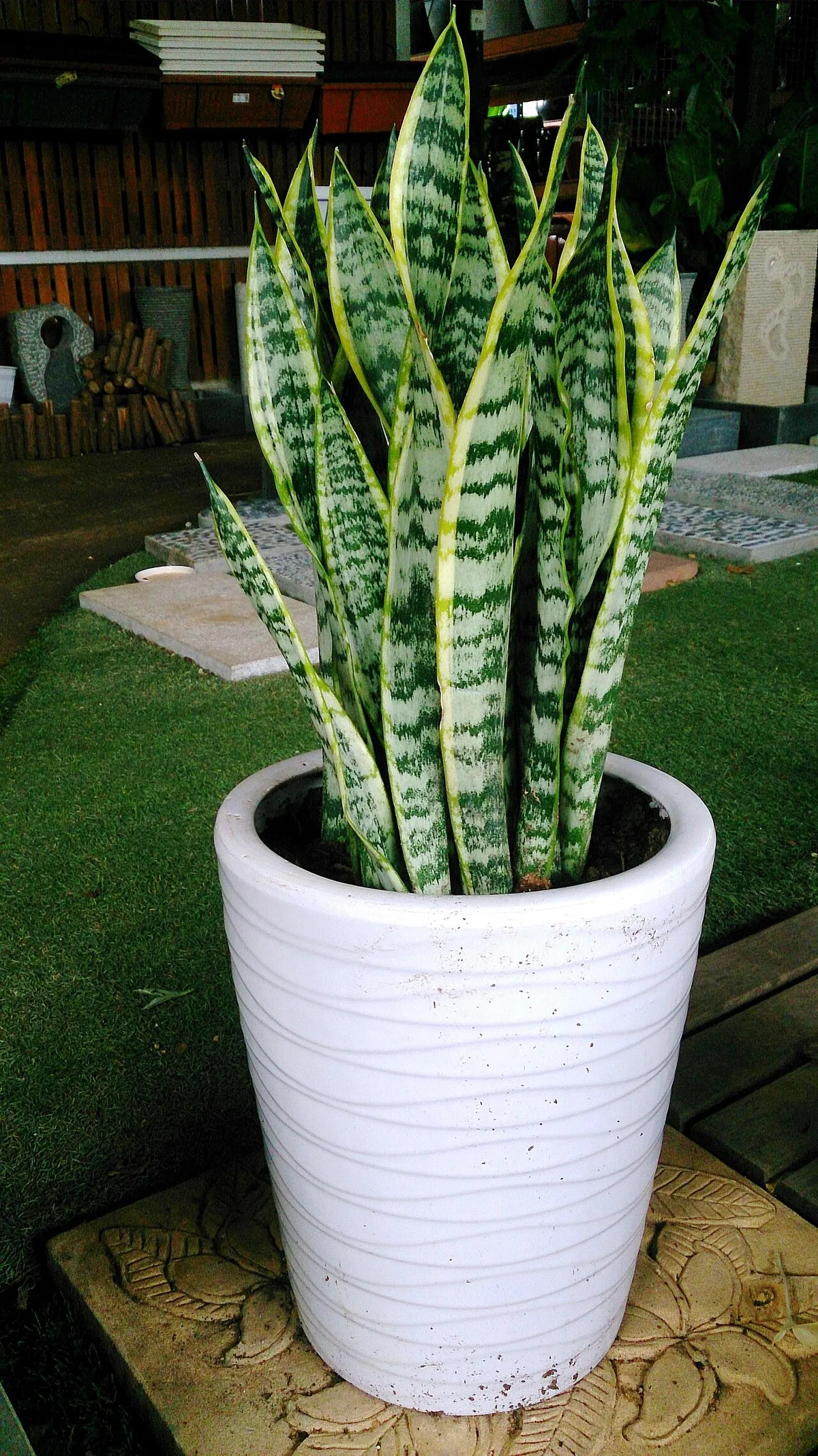
Snake plants (Dracaena trifasciata, formerly Sansevieria trifasciata) are succulents, even if they don't look the part. Their thick, waxy leaves store water. The underground rhizomes do the same.
That built-in reservoir evolved for a simple reason: snake plants come from tropical West Africa, where a long wet season is followed by months of dry heat. The plant learned to wait out drought in silence.
Overwatering flips that biology upside down. When soil stays wet for days, water fills every air pocket around the roots. Roots need oxygen.
Without it, they suffocate and rot. Rot spreads quickly through the rhizome, and soon the leaves soften, yellow, and flop over. This is the number one snake plant killer by a wide margin.
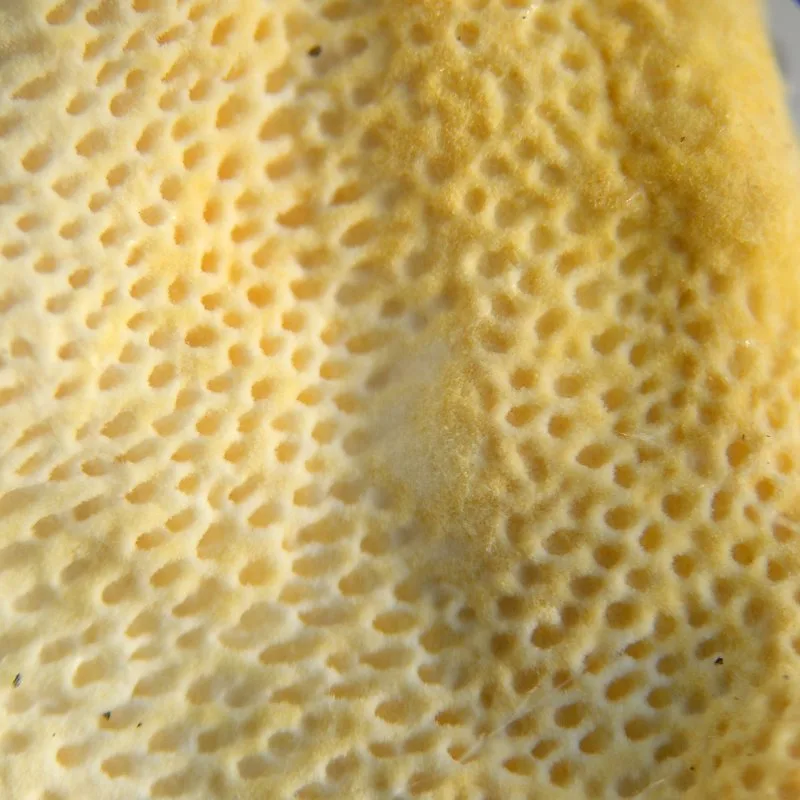
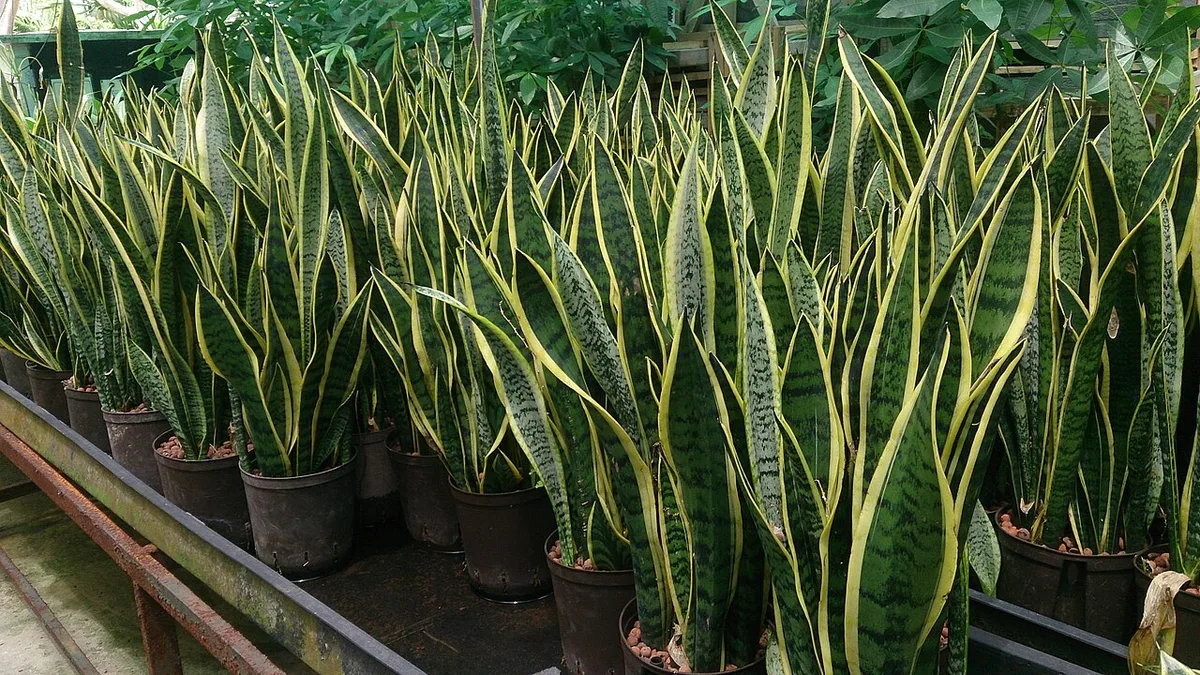
Image source: Wikimedia Commons / Jason Hollinger (CC BY)
The plant's defense is simple: dry soil. That's why a fast-draining mix matters, and why you wait until the soil is fully dry before watering again. Skipping a week is rarely a problem.
Adding an extra week when the soil is still damp is where plants die.
As of 2026, the Royal Horticultural Society still frames snake plants as plants that thrive on neglect. Let the soil dry completely, then give it a good soak. When in doubt, always water less.
What Determines Watering Frequency? 6 Conditions That Change Your Schedule
No two snake plants drink on the same schedule. The right watering interval depends on your light, pot, soil, and climate control. Run through these six conditions and the correct pattern becomes obvious.
Pot Type and Drainage
Terracotta wicks moisture away from the soil. Plastic holds it in. A snake plant in a plastic nursery pot needs less frequent water than one in bare terracotta.
Drainage holes are non-negotiable. If water can't escape, rot will eventually find the roots.
Light Exposure
Light is the biggest driver of watering speed. Brighter light means faster photosynthesis and quicker water use. A plant in a sunny south window may need water every two weeks.
The same plant in a dim corner can go a month or more. Less light always means longer intervals.
Soil Mix
Your soil sets the pace. A cactus and succulent mix with perlite or coarse sand dries fast and drains well. Dense, moisture-retentive potting soil stays soggy for days.
If you're unsure what your plant sits in, feel the texture. It should be gritty and loose, not heavy.
Season and Temperature
Spring and summer bring active growth. The plant drinks more. Fall and winter slow it down dramatically.
Most winter overwatering deaths happen because someone kept following a summer watering schedule. The plant doesn't need it.
Humidity
Humid air slows evaporation from the soil. A steamy bathroom or a humid summer day means longer gaps between waterings. A dry, heated room or air-conditioned space pulls moisture out faster.
Match your intervals to the air, not the calendar.
Pot Size and Root-Bound Status
Snake plants like snug pots. A tight, root-bound pot holds less soil and dries fast. An oversized pot keeps wet soil wrapped around the roots, which is a recipe for rot.
When repotting, only move up one pot size at most.
Step-by-Step: How to Water a Snake Plant Correctly (The Soak-and-Dry Method)
Soak-and-dry is the method that matches snake plants' natural rhythm. The soil dries completely, then gets a thorough drench. The plant receives a full drink, followed by a long dry spell.
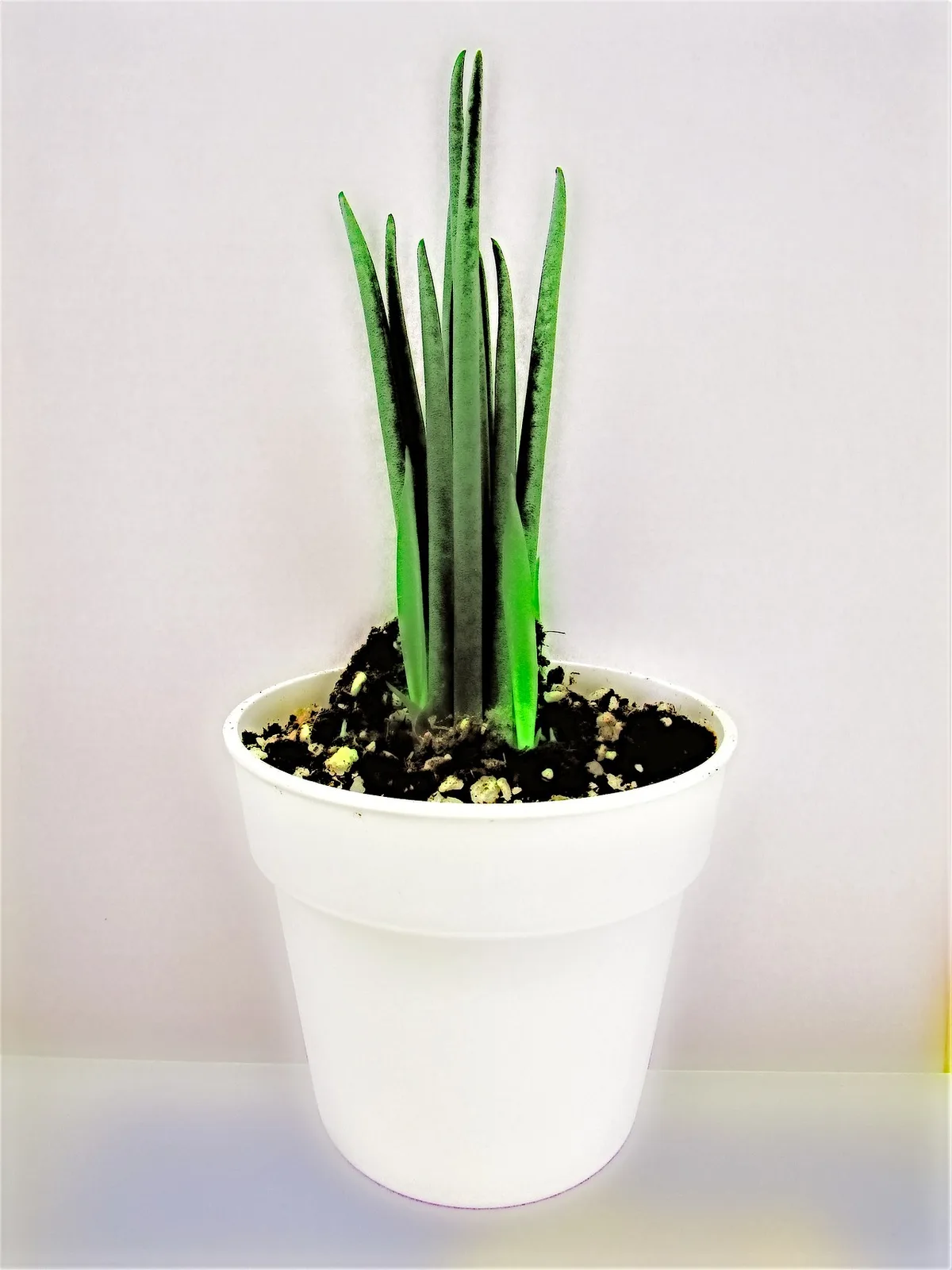
It works for every variety, from Laurentii to Moonshine and Cylindrica.
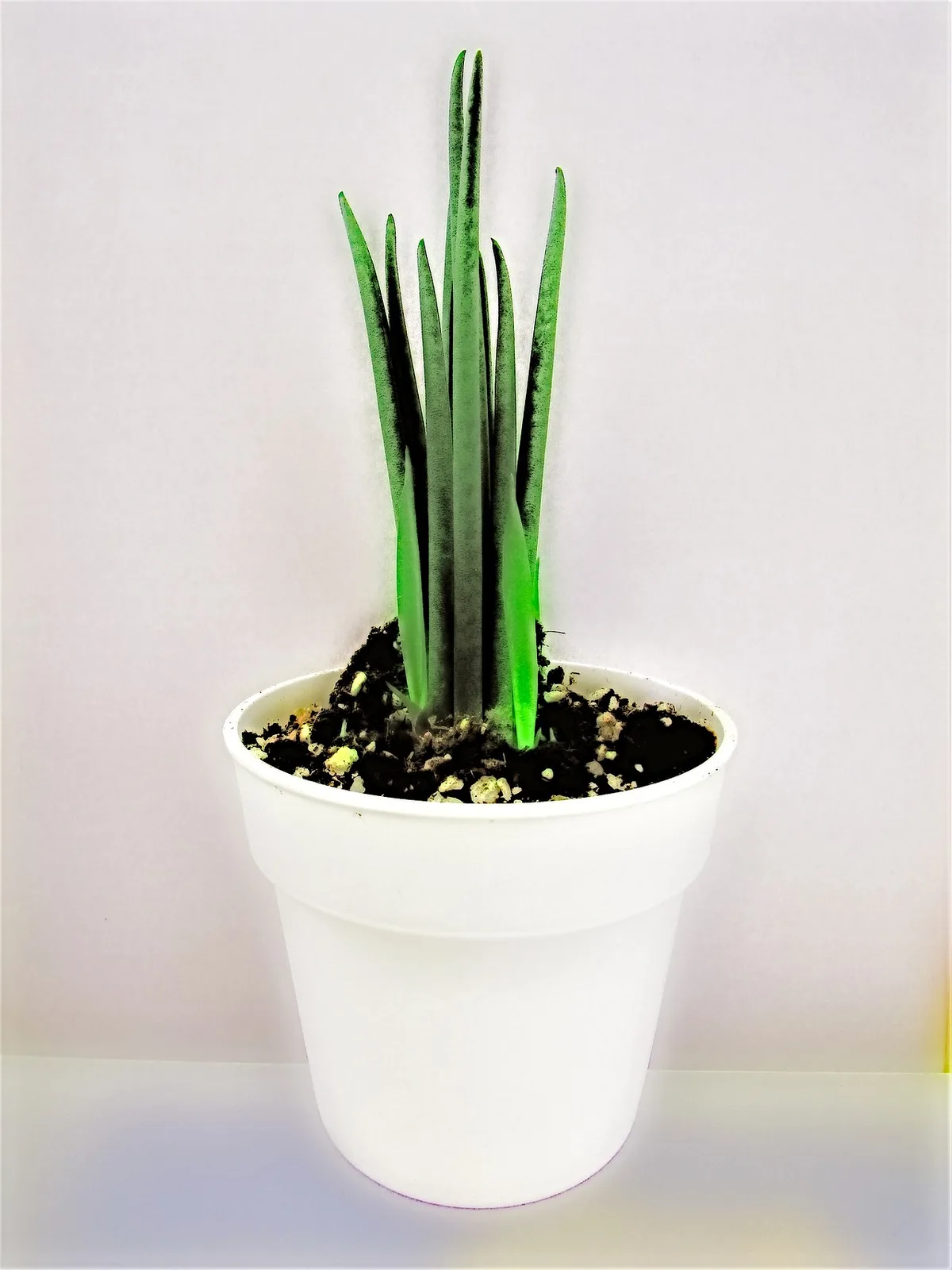
Image source: Wikimedia Commons / Dandy1022 (CC BY)
How to Check Soil Moisture Without Guessing
Use your finger. Push it two inches into the soil. If you feel dampness, wait a few more days.
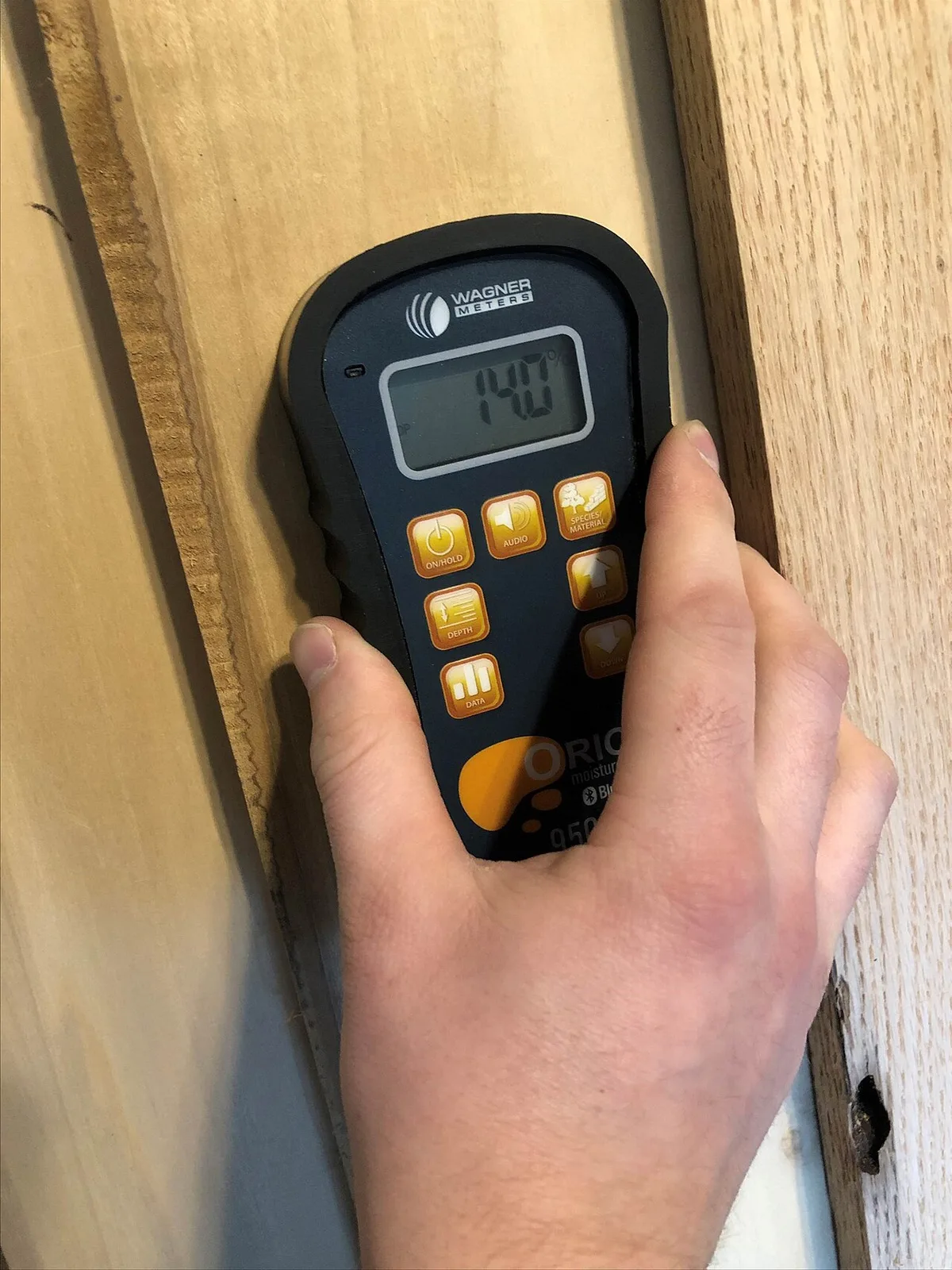
The surface can look bone-dry while the bottom is still wet, so never judge by the top alone. A wooden chopstick works as a backup: poke it in, twist, and check for damp soil stuck to it. Moisture meters help, but the finger test is faster, free, and accurate.
How to Water from the Top
Take the plant to a sink or bathtub. Pour water evenly across the soil surface, avoiding the leaves. Keep going until water pours freely from the drainage holes.
Then let the pot drain completely before returning it to its spot. This ensures the entire root ball gets wet, not just the top inch.
How to Bottom Water
Bottom watering lets the roots pull moisture upward. Fill a tray with an inch of room-temperature water and set the pot in it. Leave it for 30 to 60 minutes, then remove it and drain any leftover water.
This works especially well when the soil has turned hydrophobic and water runs straight off the top.
How to Tell You've Watered Enough
The pot should feel noticeably heavier after a soak. If water rushes through in seconds, the soil may have pulled away from the pot walls. Give it a second slow soak or use the bottom watering method.
After 15 minutes, empty the saucer. Never let the plant sit in standing water.
6 Common Watering Mistakes That Kill Snake Plants
Almost every dying snake plant we research traces back to one of these six habits. Fix these and your plant becomes nearly indestructible.
Watering on a Fixed Schedule
The calendar is not your friend. A strict "water every Sunday" routine leads to rot in winter and thirst in summer. Plants don't drink on schedule.
Always check the soil before watering, and skip the week if it's still damp.
Leaving Water in the Saucer
A wet saucer keeps the bottom of the pot in constant contact with water. Capillary action draws that moisture upward, and the roots stay soggy. About 15 minutes after watering, empty the saucer.
It takes five seconds and prevents a whole class of root problems.
Using Cold Tap Water
Cold water shocks tropical roots and slows their activity. Use room-temperature water that's been sitting out for a day. This also lets chlorine evaporate and helps avoid salt and mineral buildup on the leaves.
As of 2026, this simple habit is still one of the easiest ways to keep leaves clean and healthy.
Ignoring the Dormant Season
Winter is a resting period for snake plants. Growth stalls, and water needs drop sharply. If your home is cool and dim, cut watering to once a month or less.
Those extra winter waterings are the classic overwatering mistake.
Watering a Root-Bound Plant Infrequently
A pot packed with roots holds very little soil. That means it dries out quickly. A root-bound snake plant may need water sooner than you'd expect, so don't assume it can go a month just because the plant is tough.
Check the soil every week.
Mistaking Early Overwatering Signs for Underwatering
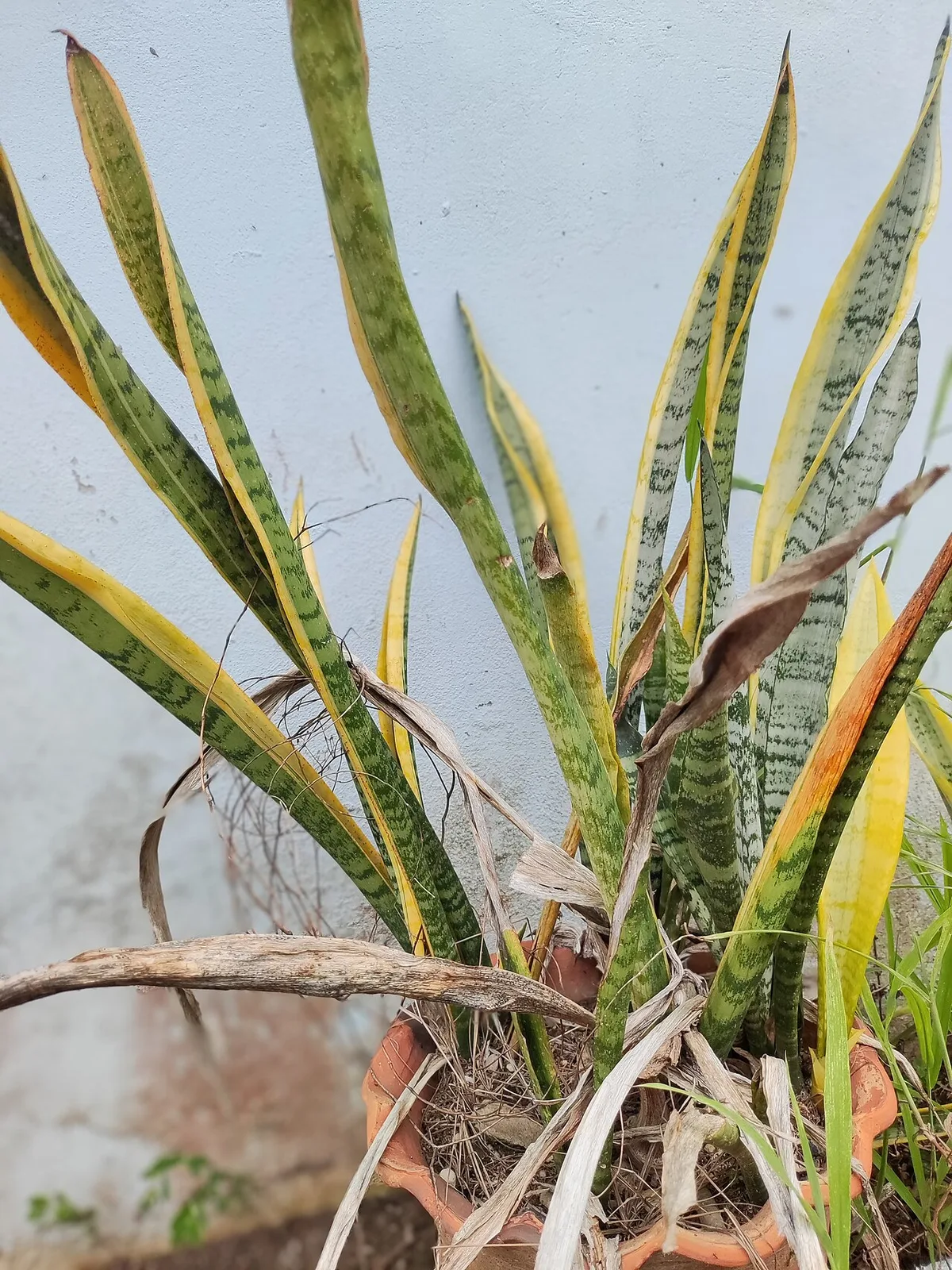
Yellow, mushy leaves look like they need water. They don't. If anything, watering more accelerates the rot.
Pull the plant from its pot and check the roots. Healthy roots are firm and white. Rotted roots are brown, mushy, and smell sour.
You'll know quickly which problem you have.
Expert Tips: How to Adjust Snake Plant Watering in Winter, Low Light, and More
A snake plant's watering needs shift with your home's environment. Adjusting for a few key conditions keeps your plant healthy through every season.
Adjusting for Central Heating
Heated rooms dry the air quickly, but your snake plant grows slower in winter. The soil still takes longer to dry. Check rather than guess.
If the top two inches feel damp, wait another week. If central heating is on full blast, the soil may dry faster than expected, so test weekly.
Adjusting for Summer Heat
Summer brings stronger light and warmer temperatures. The plant becomes more active and drinks faster. Keep an eye on leaf turgidity.
If leaves start wrinkling up the sides, you probably waited too long. Shorten your intervals by a few days, but always confirm with a finger test before watering.
Adjusting for Low-Light Rooms
Dim light means slower photosynthesis and slower water use. A north-facing corner can stretch watering to four or five weeks. Think of it as a trade-off.
The plant tolerates low light, but it rewards you by needing very little water. When in doubt, wait one more week.
Adjusting After Propagation or Repotting
Fresh soil holds more moisture than you expect. Newly repotted snake plants should sit for four to seven days before their first drink. This gives damaged roots time to heal and reduces rot risk.
Water lightly after that first dry spell, then resume your normal soak-and-dry routine.
FAQs: Snake Plant Watering Questions We Hear Most
What does an overwatered snake plant look like?
Leaves turn yellow, feel mushy, and may flop over at the base. The soil stays soggy and often smells sour. If you notice these signs, check the roots right away.
Firm white roots mean you caught it early. Brown, soft roots mean rot has already spread.
What does an underwatered snake plant look like?
Leaves curl lengthwise, wrinkle, and lose their stiffness. They may turn pale green or show brown tips. The pot feels noticeably light.
Unlike an overwatered plant, the soil is bone dry and pulls away from the pot walls. A good soak usually revives it within days.
Should I mist my snake plant?
No. Snake plants are dry-climate plants that absorb water through their roots, not their leaves. Misting raises humidity near the soil and leaves, which can trap moisture in leaf crevices.
That sets up fungal issues without helping the plant. Skip the misting bottle and water the soil instead.
Can I water my snake plant with ice cubes?
No. Ice cubes shock tropical roots and can cause slow, uneven water absorption. The cold temperature damages the cells in the roots.
Room-temperature water is always the safest choice. Let tap water sit out overnight to allow chlorine to evaporate and to match the air temperature.
How do I save a snake plant that's already waterlogged?
Remove it from the pot and shake off the soil. Cut away mushy, brown, or smelly roots with clean scissors. Allow the healthy rhizome to dry for a day or two.
Repot into fresh cactus mix with good drainage, then wait a week before watering. Recovery takes two to four weeks, depending on how much root survived.

Similar Posts