Snake Plant Light: How Much Sun Does It Really Need?
Botanical Horticulturist & Food Preservation Specialist at Brittle Bloom · Certified Master Gardener & Master Food Preserver · 12+ Years in Plant Propagation & Food Preservation
Snake plant light requirements are more flexible than almost any other houseplant, but they still trip people up. The phrase “low light” gets misread constantly. It makes folks toss a snake plant into a windowless bathroom and then wonder why it never grows.
These plants survive in shade, sure, but they only really thrive when they get a few hours of bright indirect light.
In our research, most healthy snake plants sit in rooms hitting 1,000 to 3,000 lux during peak daylight. A north-facing window often delivers just 200 to 500 lux, which explains those eight-month stretches without a single new leaf. That gap between survival and thriving is the root of nearly every snake plant complaint.
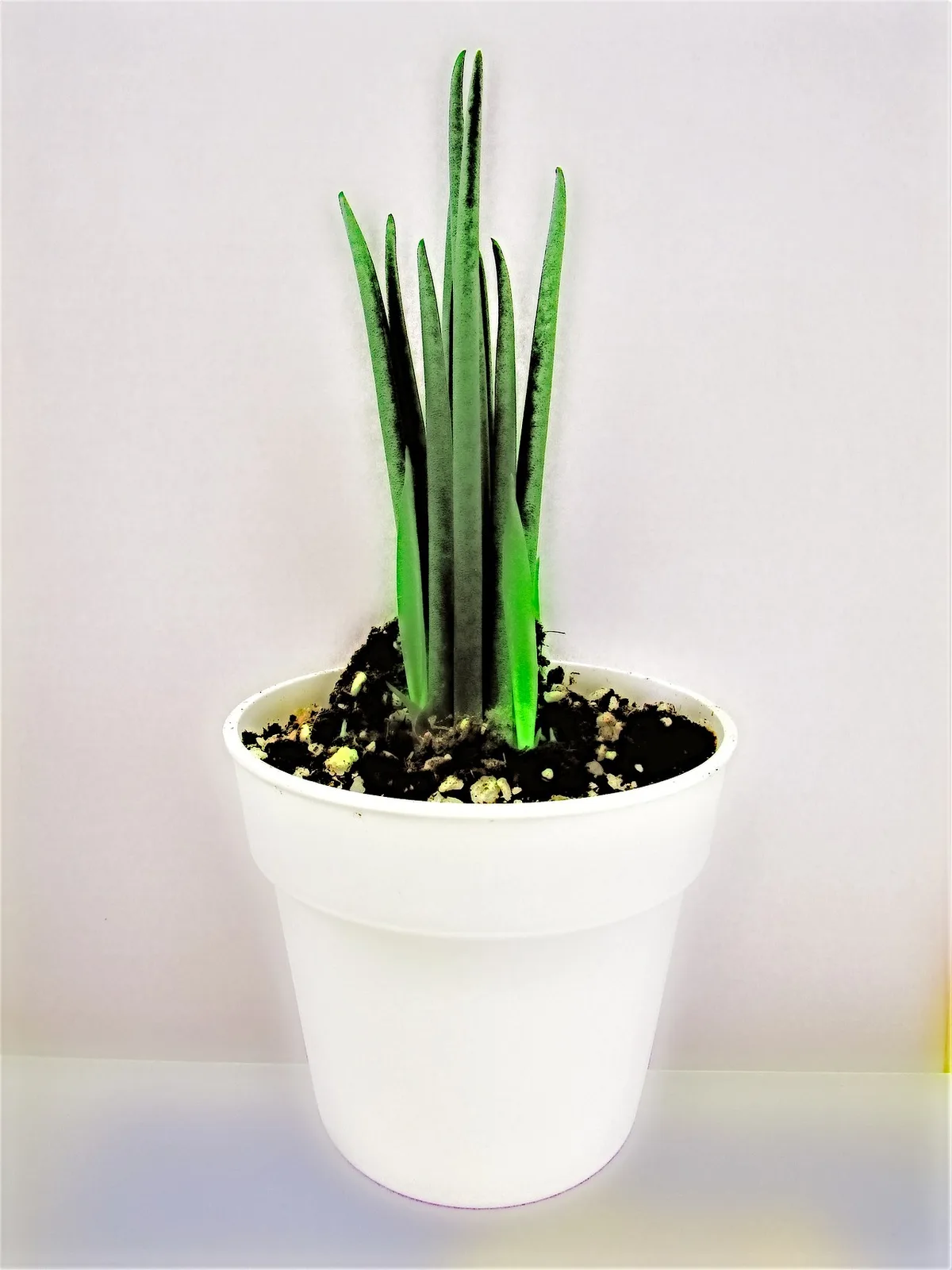
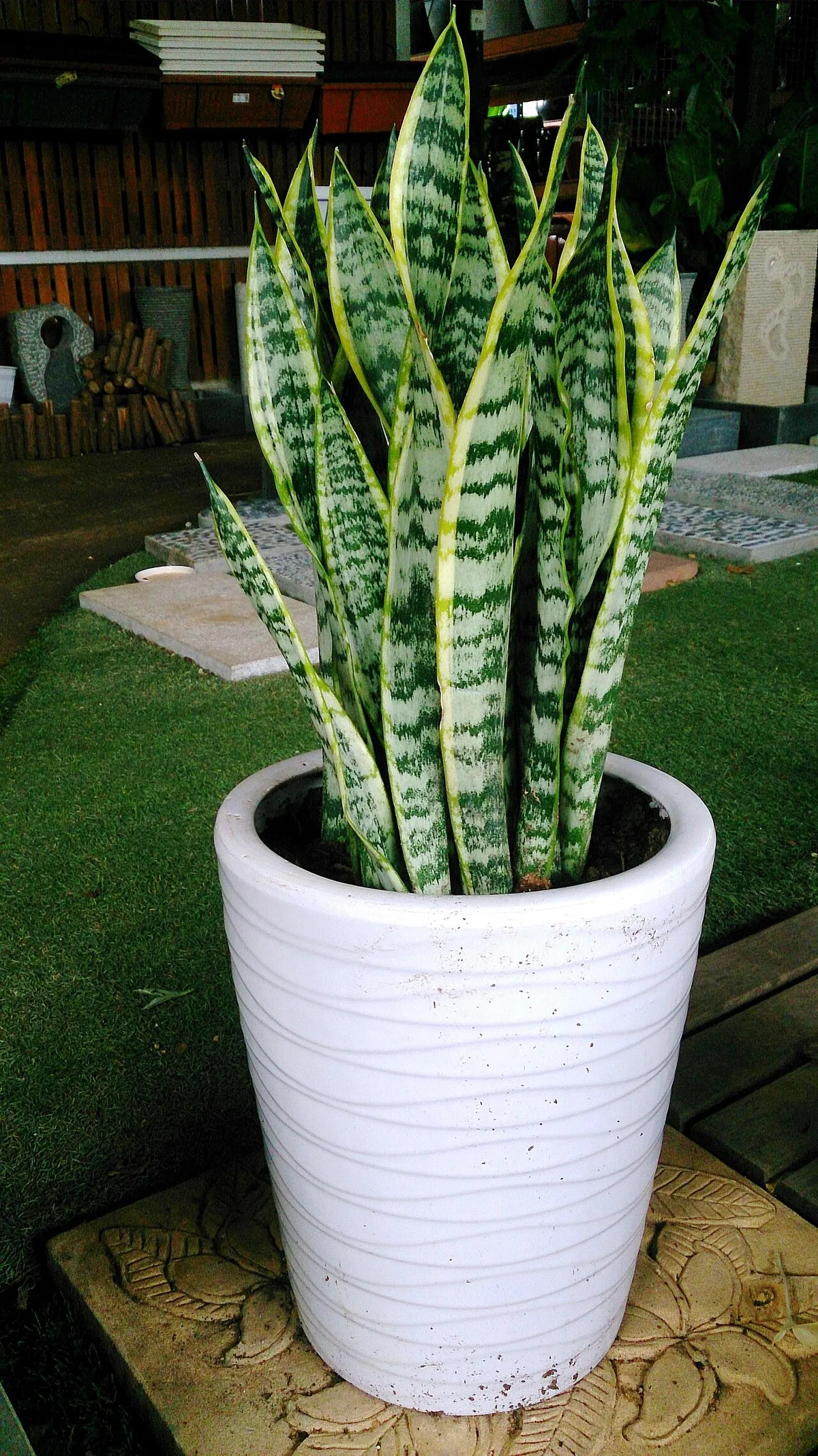
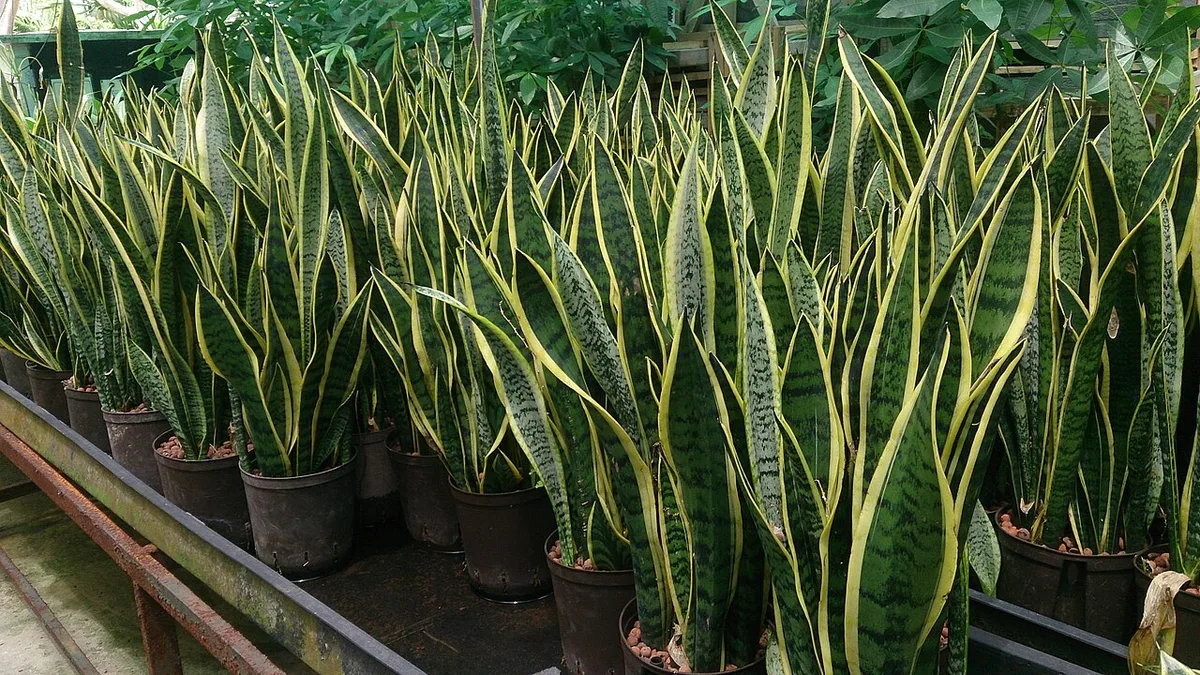
Image source: Wikimedia Commons / Dandy1022 (CC BY-SA)
The Real Problem: "Low Light" Doesn't Mean "No Light"
Plant labels and nursery tags love the phrase “low light.” It’s honestly a bit misleading. What it usually means is that a plant won’t die in a dim corner. It doesn’t mean that the plant will look great, push out new growth, or hold onto its variegation in the dark.
A snake plant is a CAM plant. CAM stands for crassulacean acid metabolism. It’s a fancy way of saying the plant opens its stomata at night to store carbon dioxide, then uses the day to convert it into energy with minimal water loss.
That mechanism is why snake plants can survive in spaces where other plants give up. But every leaf still needs a steady supply of light to produce those sugars.
Put a snake plant in true low light for too long, and you’ll notice the signs. Leaves get darker green, growth slows to a crawl, and new shoots come up thin and weak. If you want a plant that just exists, low light will do.
If you want one that actually grows and looks full, give it bright indirect light near a window.
Quick Answer: What Snake Plants Actually Want From a Window
Snake plants want bright, indirect light. Direct morning sun is fine. Harsh afternoon sun burns the leaves.
Deep shade stops growth entirely. Aim for a spot three feet from a north or east window.
Most people overthink this. A snake plant doesn’t need a grow light or a greenhouse. It just needs you to stop hiding it in a corner with no windows.
How Snake Plants Read Light: Variegation, CAM Photosynthesis, and Leaf Signals
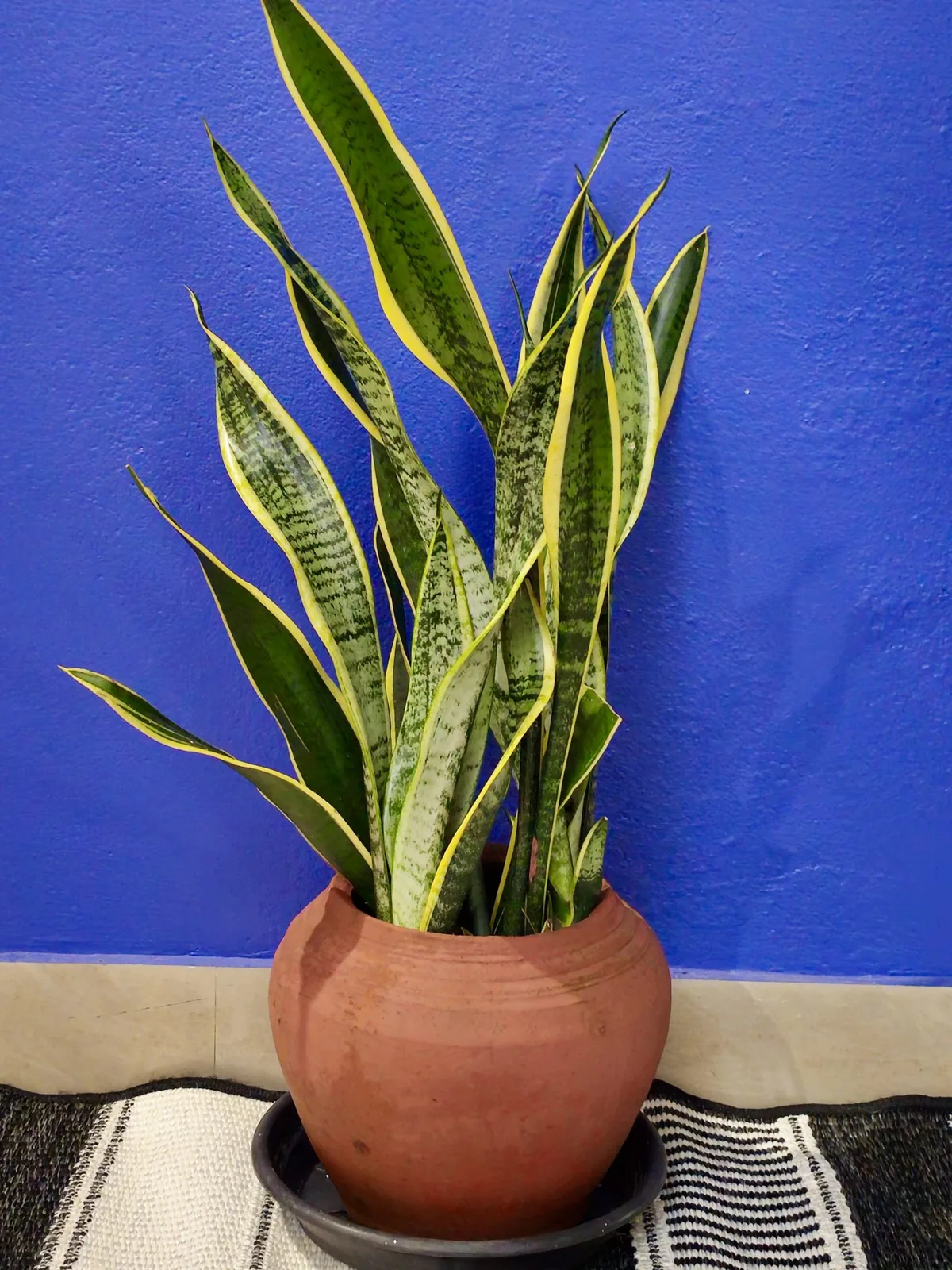
The quickest way to judge light problems is to look at the leaves. Variegated types like Laurentii have yellow or white edges. Those sections lack chlorophyll, so they need brighter light to stay colorful.
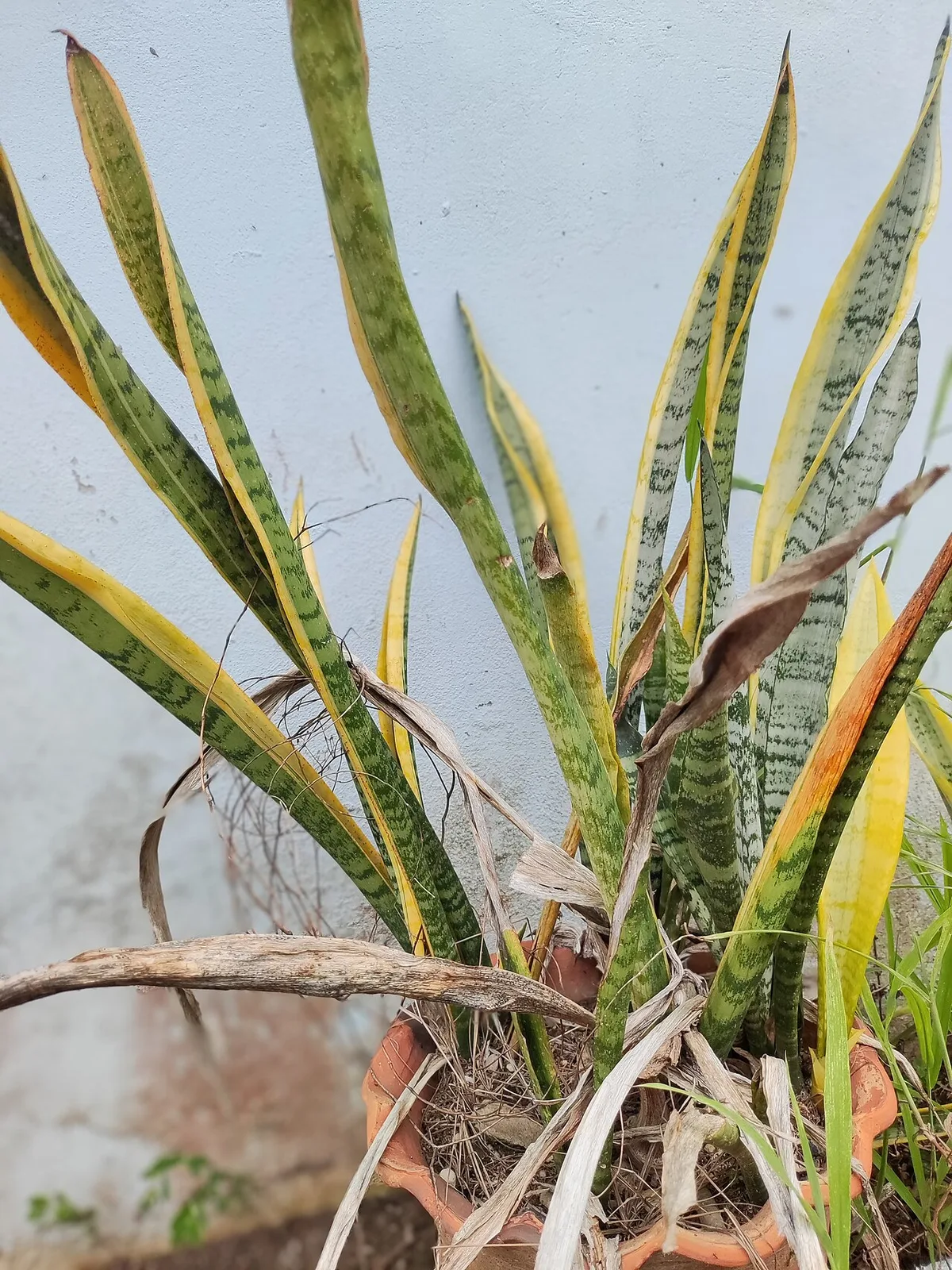
In dim spots, the yellow bands fade to pale green. In too much direct sun, the leaf faces get bleached white or develop crispy brown patches.
Solid green varieties handle shade better because every leaf cell is packed with chlorophyll. Moonshine, with its soft silver-green leaves, sits somewhere in between. It wants moderate light to keep that pale silvery look.
University extension guides from places like University of Minnesota Extension confirm this: the more variegation a plant has, the more light it needs to photosynthesize properly. Another common signal is leaf stretching, which is called etiolation. The new leaves come up longer, thinner, and darker than older ones.
That’s the plant reaching for more photons. Fix it by moving the pot closer to a window or adding a basic grow light.
Decision Tree: Match Your Home's Light to the Right Spot
Here’s where it gets practical. Grab your floor plan and look at your window directions, because that decides everything.
North-Facing Window or Dark Room
If the window faces north, you’re working with low light. The sun never beams directly through it. Keep the pot within one to two feet of the sill.
A solid green variety will survive here. Skip the variegated types unless you add a grow light.
East-Facing Window (Bright Morning Light)
East windows are the sweet spot. You get a few hours of gentle morning sun, then indirect light for the rest of the day. This works for every snake plant variety, including the fancy ones.
Place it on the sill or within a few feet.
South- or West-Facing Window (Strong Afternoon Sun)
These windows get intense sunlight. In summer, a snake plant sitting right against the glass can actually burn. Pull it back three to five feet, or set it beside the window.
A sheer curtain works wonders in June and July.
Fluorescent Office Light or No Window
A windowless office with overhead lights isn’t as bad as people think. Snake plants tolerate artificial light better than most. Keep it near the center of the room where the ceiling light is brightest.
Growth will be slow, but the plant will stay alive.
Outdoor Shaded Spot as a Summer Option
If you have a porch or patio, snake plants love a summer vacation. Put the pot in full shade or dappled light. Hard sun, even morning sun, can scorch the leaves quickly.
Bring it inside before nighttime temps drop below 50°F.
Step-by-Step Process: Place, Test, Wait, Adjust, Rotate
Start with a simple workflow that takes about a month to complete.
Step 1: Assess the room. Measure the distance from your window and note the direction. You can use the hand shadow test: hold your hand a foot above where the plant will sit, and see how sharp the shadow is. A sharp shadow means bright light.
A fuzzy one means low light.
Step 2: Place the pot. Use the decision tree above to choose a starting spot. When in doubt, start a little farther from the window than you think, then move closer.
Step 3: Wait two to four weeks. Don’t judge anything in the first week. Plants are slow to show stress. Give it at least two weeks to adjust.
Step 4: Read the leaves. Pale or brown patches mean too much sun. Dark and stretched means not enough. Adjust the pot by six inches at a time.
Step 5: Rotate the pot. Every two weeks, spin it a quarter turn. That keeps growth even and stops the plant from leaning toward the glass.
Step 6: Dust the leaves. A layer of dust blocks light. Wipe them with a damp cloth every month during your normal watering routine.
Mistakes That Make Snake Plants Struggle (Even With the Right Light)
Even when you nail the placement, a few bad habits can undo all your work. Here's what to avoid.
- Watering on a fixed schedule. In low light, soil stays wet much longer. Root rot is the number one killer of snake plants. Before watering, stick a finger two inches into the soil. If it's damp, wait.
- Moving plants too fast. A snake plant that sat in a dark hallway for months can't handle a sudden jump to a south window. Sunburn shows up as white or pale patches within hours. Move it gradually over five to seven days.
- Ignoring seasonal shifts. Winter sun is weaker and sits lower in the sky. A plant that thrives on a sill in January might scorch there in May. Recheck your light every season.
- Forgetting the leaves. Dust blocks a surprising amount of light. Frosted glass, dirty windows, and closed net curtains reduce usable light too. Wipe the leaves monthly and keep the glass clear.
Small corrections make a huge difference. Most struggling snake plants bounce back within two weeks once you fix placement and watering.
Frequently Asked Questions
Can snake plants survive in low light?
Yes, but survival isn't thriving. Dim corners stop new growth and wash out the white bands. Move it close to a window for even a few hours of indirect light.
How many hours of light do snake plants need?
About 8 to 12 hours of natural light works for most rooms. With grow lights, run them 12 to 14 hours and keep them 12 to 18 inches above the plant.
Can snake plants take direct sunlight?
East-facing morning sun is fine. South and west windows bring intense afternoon light, which burns leaves in summer. Keep the pot back or use a sheer curtain.
Why is my snake plant turning yellow?
That usually points to overwatering or not enough light, depending on the pot. Let the soil dry completely before watering again. If the room rarely sees daylight, move the plant toward a window.
Do snake plants need a grow light?
Not for survival, but they help in windowless offices and dark winter months. A full-spectrum LED running 12 hours a day makes a real difference.
Final Decision Guide: Best Placement for Your Snake Plant, Room by Room
| Window / Setting | Best Spot | What to Watch For |
|---|---|---|
| North-facing | Within 1 to 2 feet of the window | Solid green varieties do best; variegation fades |
| East-facing | On the sill or within 3 feet | All varieties thrive here |
| South or west-facing | 3 to 5 feet from the window | Sheer curtain needed if leaves pale or scorch |
| Office or no window | Under bright ceiling light, within 5 feet of the fixture | Growth will be slow, but the plant stays healthy |
| Outdoor summer spot | Full shade or dappled light on a porch | Bring inside before nights drop below 50°F |
Whatever you choose, let the leaves be your guide. They'll tell you more than any guide ever will. Adjust slowly, water sparingly, and your snake plant will reward you with steady, reliable growth.

Similar Posts