Spider Plant
Botanical Horticulturist & Food Preservation Specialist at Brittle Bloom · Certified Master Gardener & Master Food Preserver · 12+ Years in Plant Propagation & Food Preservation
You’ve got a spider plant that’s looking a little rough, and you’re not sure why. Maybe the tips are browning, the leaves are drooping, or it just looks sad in that corner spot. Here’s the good news: spider plants are one of the most forgiving houseplants you can own, and almost every problem is fixable.
In our research, the most common issues trace back to just three variables: water quality, light exposure, and pot size. Per the ASPCA, spider plants are non-toxic to cats and dogs, which is part of why they’re so popular. Let’s walk through what your plant is telling you and how to bring it back to full health.
The Quick Answer: Match the Symptom, Fix the Cause
Spider plants rarely die suddenly. They send clear signals first. Brown tips usually mean water quality issues.
Yellow leaves usually mean too much water. Pale stripes usually mean too little light. Pull the right lever and your plant bounces back within a couple of weeks.
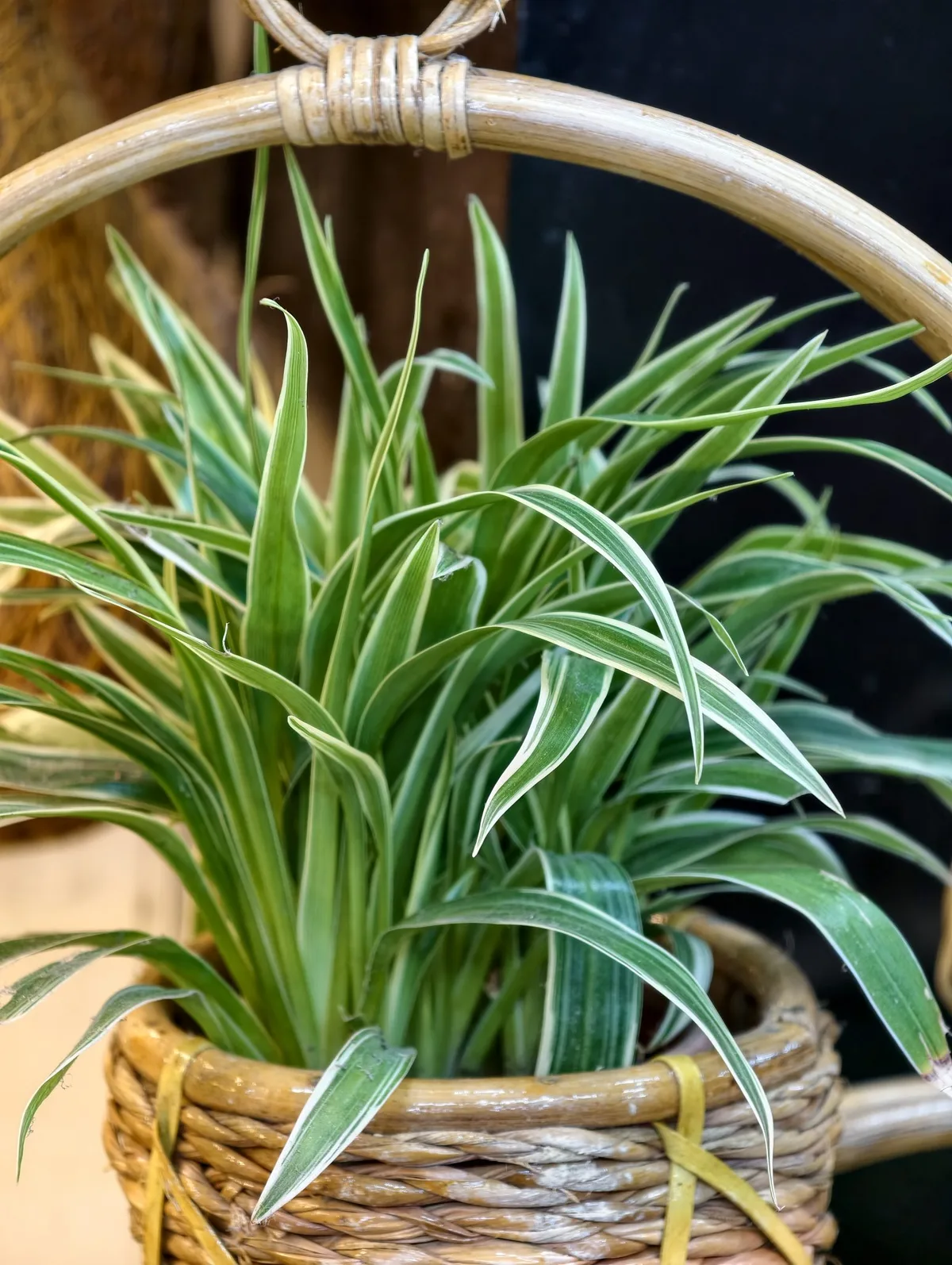
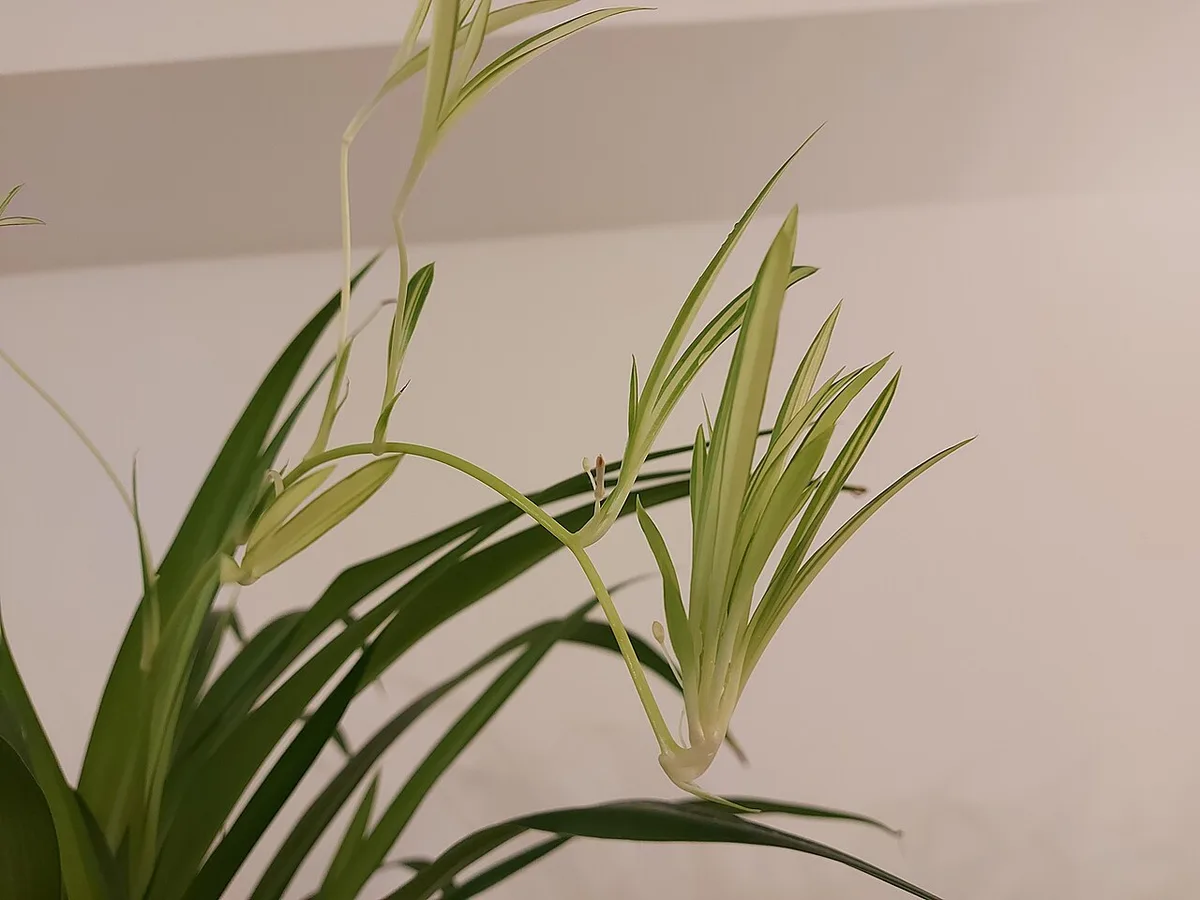
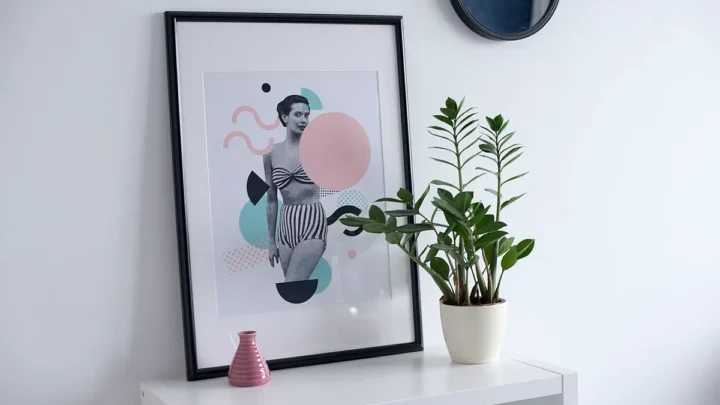
Image source: Openverse / Shaddam Hossain
Diagnose the Symptoms: What Your Spider Plant’s Leaves Are Saying
The leaves are your plant’s report card. Every issue shows up there before it becomes a bigger problem. Look closely at your plant and match what you see to the descriptions below.
Brown Leaf Tips: Water Quality or Watering Habits?
If you’re seeing crispy, brown edges on the leaf tips, you’re dealing with the most common spider plant complaint. It’s rarely fatal, but it is a sign something needs to change.
If the soil feels dry, you’re likely underwatering. These plants store water in their tubers, but they do need regular drinks during active growth. Stick to a routine where you check the soil every few days and water when the top inch feels dry.
If the soil feels damp, the issue could be fluoride or chlorine in your tap water. Spider plants are notoriously sensitive to these chemicals. Aggregate grower reports consistently show that switching to filtered water, rainwater, or distilled water clears up brown tips within weeks.
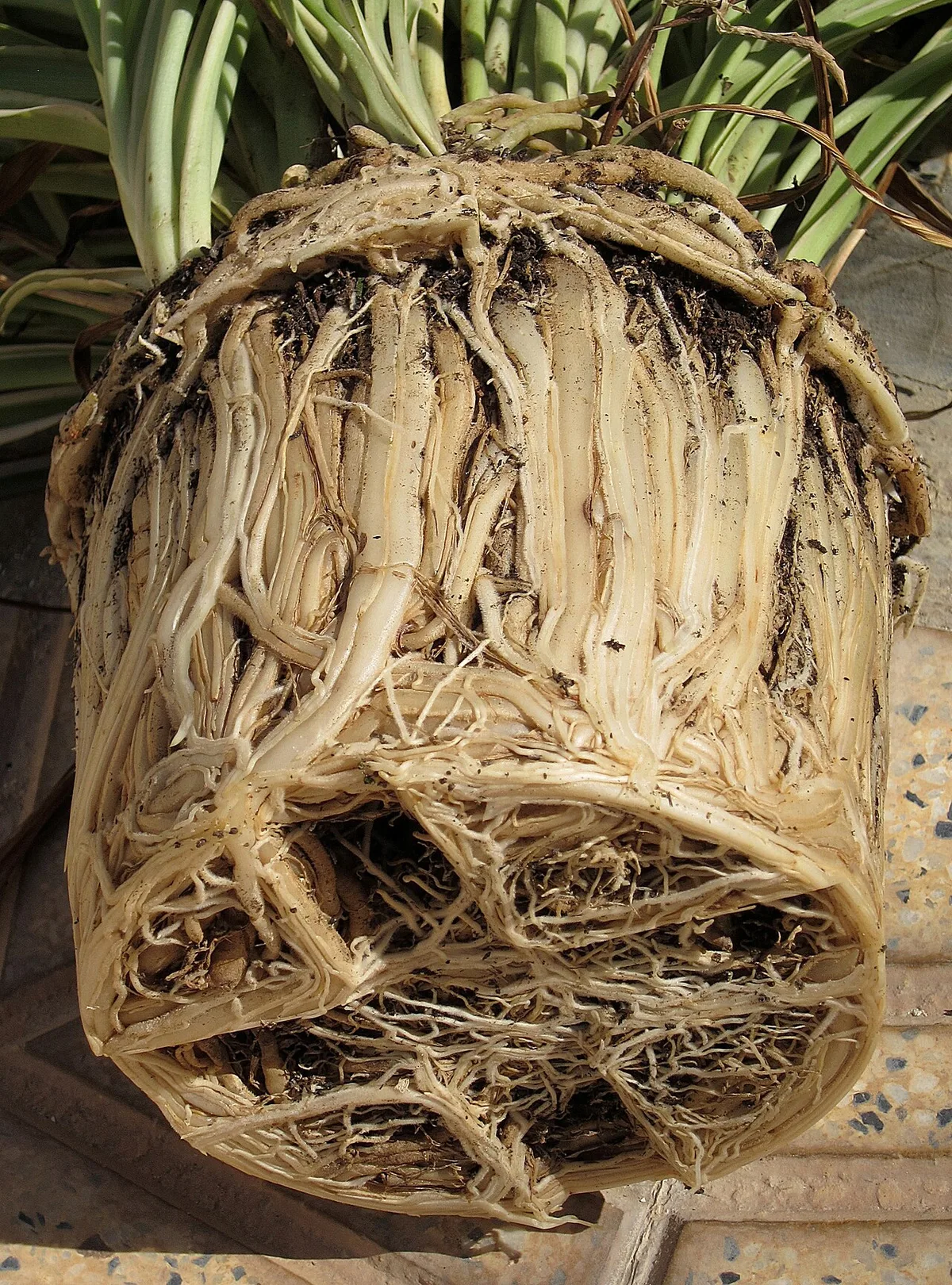
If the browning is accompanied by droopy leaves, check for root problems before adjusting anything else. Gently lift the plant from its pot and inspect the roots. Healthy roots are white and firm.
Rotted roots are brown and mushy.

Image source: iNaturalist / Irene
Yellowing Leaves: Overwatering vs. Underwatering
Yellow leaves are a different warning system. They almost always point to water mismanagement.
If the leaves are soft and yellow, you’re overwatering. The roots are sitting in soggy soil and can’t breathe. Let the soil dry out completely before watering again.
If it stays wet for more than a week after a drink, your pot might lack drainage.
If the leaves are yellow and crispy, you’re underwatering. The plant has used up its stored moisture and is sacrificing older leaves. Give it a deep soak by placing the pot in a sink of water for 15 minutes, then let it drain thoroughly.
Pale, “Washed Out” Stripes: The Light Problem
Spider plants need bright, indirect light to maintain their striking variegation. If your plant’s stripes look faded or the whole leaf appears washed out, it’s starving for photons.
If the plant is in a dark corner, move it closer to a window. An east-facing windowsill or a spot a few feet back from a south-facing window works best. Direct afternoon sun can scorch the leaves, so aim for filtered bright light.
If the plant is in direct sun and looking pale, it might be getting too much intense light. Filter the sun with a sheer curtain or move it a few feet back.
Getting the Basics Right: Light, Water, and Soil
Once you’ve identified the symptom, it’s time to reset your care routine around the fundamentals. These three variables cover 90% of spider plant health outcomes.
Light: The Six-Hour Sweet Spot
Spider plants thrive in bright, indirect light for about six to eight hours a day. They can tolerate lower light conditions, but they won’t grow as quickly and their color will fade. North-facing windows work, east-facing windows are ideal, and south-facing windows are fine with some filtering.
Watering: The Finger-Test Method
Forget calendars and schedules. Your plant doesn’t care what day it is. **Stick your finger about two inches into the soil. If it feels dry, water deeply.
If it feels damp, wait.** That’s the entire method. During winter, growth slows and the plant needs less water. During summer, plan on watering roughly every seven to fourteen days.
Soil: Drainage Is Non-Negotiable
Spider plants want a well-draining potting mix. A standard indoor potting mix works, but you can improve drainage by mixing in perlite or coarse sand. Make sure your pot has drainage holes.
A pot without holes is the fastest route to root rot.
Root Health: The Hidden Decision Branch
You can’t see the roots, but they’re the engine of your plant. Most spider plant problems start below the surface. Here’s how to know when to intervene.
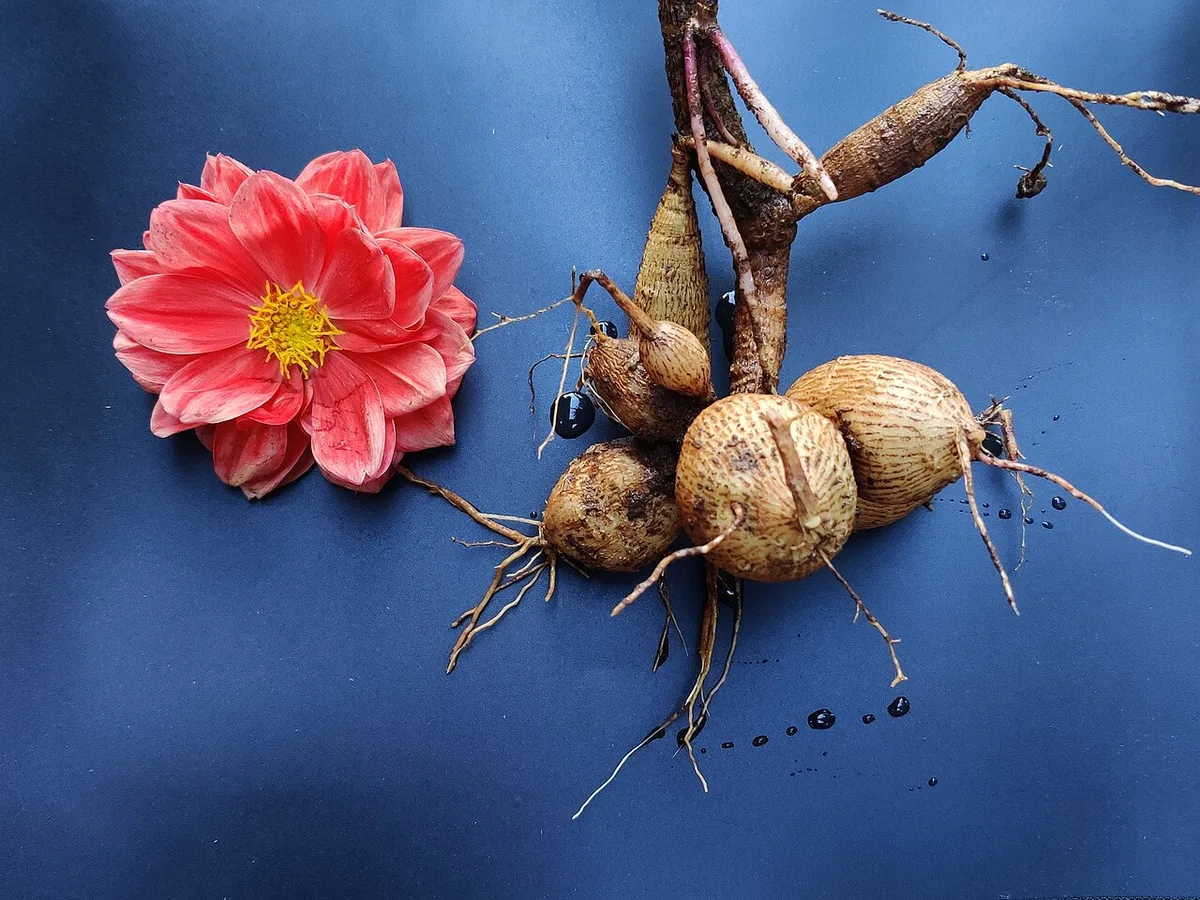
Image source: Wikimedia Commons / Krishna satya 333 (CC BY-SA)
When to Repot: Signs of a Root-Bound Plant
Spider plants actually enjoy being snug in their pots. It’s one of their quirks. But there’s a limit.
Repot when you see roots pushing through the drainage holes, crawling over the soil surface, or circling tightly at the bottom of the pot. If water runs straight through the soil without soaking in, that’s another clue your plant has outgrown its home.
How to Spot and Stop Root Rot
Root rot is the silent killer. Overwatering causes the tubers to break down, and once that starts, it spreads fast. If you detect a sour smell, see mushy dark roots, or notice the plant pulling away from the soil, act immediately. Remove the plant, shake off the soil, and cut away all soft, brown roots with clean scissors. Repot in fresh, dry mix and water sparingly for the next two weeks.
The One-Size-Up Repotting Rule
When you do repot, go up exactly one pot size. Jumping from a four-inch pot to an eight-inch pot leaves too much soil around the roots, which traps moisture and leads to rot. One inch of extra space around the root ball is the perfect amount.
Happy Plant, Happy Babies: Getting Those Spiderettes
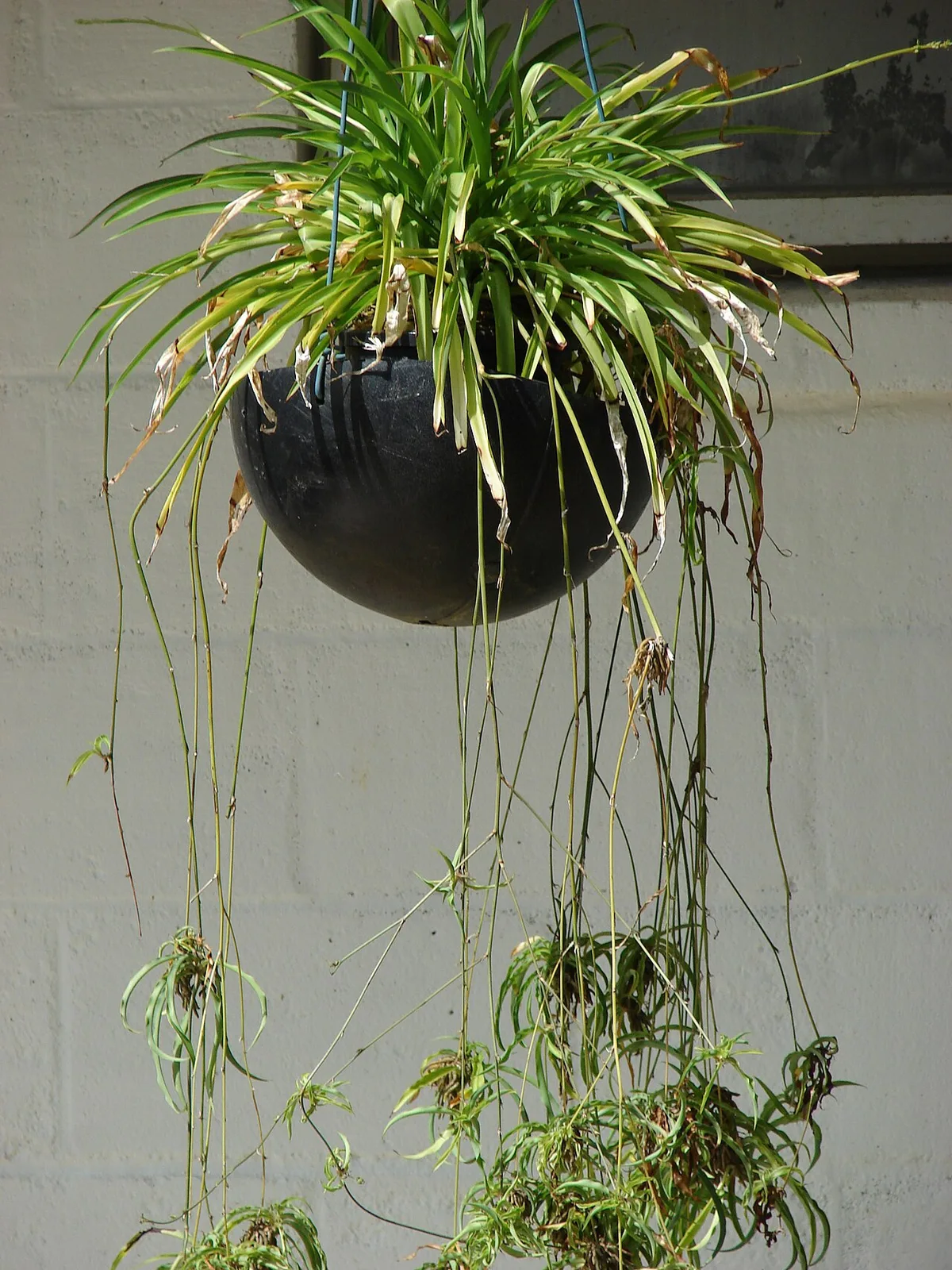
Those little plantlets on long stems are the reward for good care. They mean your plant is mature, healthy, and thriving. But if yours hasn’t produced any, there are usually two reasons.
If the plant is too young, the only fix is patience. Spider plants need one to two years to reach the maturity required for producing babies. Keep caring for it properly and the plantlets will come.
If the plant is in low light, it doesn’t have the energy reserves to push out stolons. Move it to a brighter spot and give it a few weeks. Manufacturer research from greenhouse growers consistently shows that light quantity directly drives plantlet production.
If the plant is severely root-bound, it might stop producing babies because it’s stressed. Repot it one size up and it should resume normal growth.

Similar Posts