Why Are ZZ Plant Leaves Turning Dull and Brown?
Botanical Horticulturist & Food Preservation Specialist at Brittle Bloom · Certified Master Gardener & Master Food Preserver · 12+ Years in Plant Propagation & Food Preservation
Your ZZ plant was a glossy, deep-green showstopper when you brought it home. Now the leaves look dusty, washed-out, or have ugly brown patches creeping in. It feels like the plant is giving up on you, and you're not sure which mistake did it.
The blunt truth: dull and brown ZZ leaves are almost always a watering problem, a light problem, or something going on with the roots underground.
Stick with me, I'll walk you through each cause so you can diagnose your exact situation and get those waxy, shiny leaves back.
Overwatering: The #1 Cause of Brown, Dull ZZ Leaves
Here's the thing about ZZ plants: they are drought-tolerant to a fault. Those thick, potato-like rhizomes under the soil store water like a camel's hump. When you water too often, those rhizomes sit in soggy soil and start to rot from the inside out.
How rot shows up on the leaves:
- Lower leaves turn yellow first, then brown and mushy
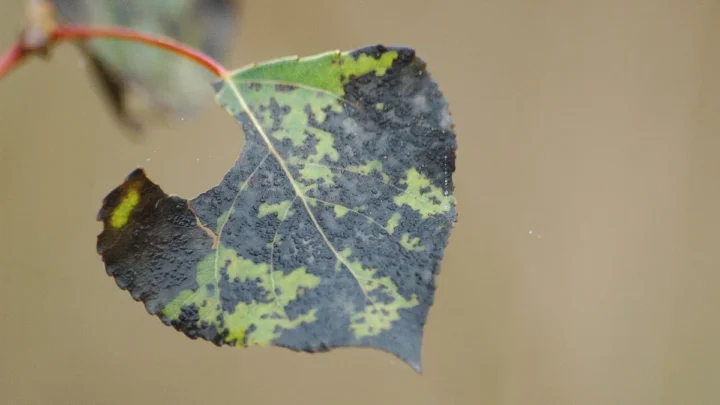
- Brown spots that start soft and spread quickly
- Leaf stems drooping even though the soil feels wet
- A dull, washed-out look across the whole plant
If your ZZ's roots are rotting, the plant can't pull water up to the leaves. Ironically, a rotting plant looks exactly like a thirsty one, dry, dull, and brown-tipped. That tricks tons of people into watering even more, which makes the rot worse.
The fix: Pull the plant out of its pot and check the roots. Healthy rhizomes are firm and pale. Rotten ones are mushy, brown, and smell terrible.
Cut off the bad parts with sterilized scissors, then repot in fresh, well-draining soil.
Now, here's a quick reality check: your ZZ might just be rootbound instead of rotten. They actually like being a little crowded, but there's a limit. If you see roots poking out the bottom or circling the top of the soil, it's time for a bigger home.
A proper repot gives those roots breathing room and fresh nutrients, two things that directly affect leaf color and shine. If you're unsure about the process, here's a step-by-step repotting guide that walks you through it without the guesswork.
Too Much Direct Sunlight Bleaches Leaves
ZZ plants naturally grow on the forest floor in East Africa. That means they're used to dappled light filtering through a canopy of taller trees. They rarely, if ever, see direct, harsh sun.
What direct sun does to the leaves:
- Bleaches the deep green into a sickly pale-yellow or dull tan
- Creates scorched brown patches on the leaf edges or centers
- Makes the leaf surface feel thin and papery instead of waxy
- Causes the plant to look permanently dusty because the chlorophyll is damaged
If your ZZ is sitting in a bright south-facing window with no curtain, move it. Seriously. That intense afternoon sun is cooking the leaves.
The damage won't reverse on the affected leaves, but new growth will come in glossy and healthy once it's in better light.
The ideal spot: A north-facing window, an east-facing window with morning sun, or a spot several feet back from a bright west or south window. The plant can handle lower light just fine, it just grows slower. Actually, it tolerates low light so well that it's a running joke among plant people that you can forget about it for a month and it'll still survive.
Bright, indirect light is the sweet spot for keeping the leaves green and shiny. Too much light causes browning, and too little causes leggy, pale growth. If you want to dial in the perfect placement for your exact room, check out this guide to ZZ plant light requirements, it shows you how to read your plant's signals before damage sets in.
Water Quality: Fluoride and Salts Are the Silent Killers
Here's a surprising culprit that most people never consider: your tap water.
ZZ plants are sensitive to fluoride and chlorine, which are common in municipal water systems. When these chemicals accumulate in the soil over time, they cause the leaf tips and edges to turn brown and crispy, much like a burn.
Signs it's a water issue:
- Brown tips or edges, but the rest of the leaf is still green
- White, crusty mineral deposits on the top of the soil or the pot rim
- Dull, dusty-looking leaves that don't respond to cleaning
In addition to fluoride, tap water carries dissolved salts from fertilizers and hard water minerals. These salts bind up in the soil. As the soil dries, the salts get pulled up toward the roots, burning them and messing with the plant's ability to take up water.
The result? Brown leaf tips and a plant that looks permanently dehydrated no matter how much you water.
The fix: Switch to filtered water, distilled water, or rainwater. If that feels like too much hassle, fill a container and let it sit out overnight before watering, that lets chlorine evaporate. It won't get rid of fluoride, but it helps.
Another thing: flush the soil every few months. Run a slow stream of water through the pot for a few minutes and let it drain completely. This washes out accumulated salts.
Just make sure the pot has drainage holes, or you'll swap a salt problem for a root rot problem.
Fertilizer Burn or Nutrient Deficiency
Z Z plants are light feeders. They come from nutrient-poor soil and have adapted to survive on very little. That means when you fertilize them often, or with a heavy dose, you're doing more harm than good.
What too much fertilizer looks like:
- Brown, crispy spots on leaf edges and tips
- A dull, faded green color across the whole plant
- Burnt, stunted new growth that comes in small and deformed
- White crystals on the soil surface (salt buildup)
Fertilizer burns the roots. Once the roots are damaged, the plant can't absorb water or nutrients properly. The leaves turn dull, then brown, and eventually drop off.
On the flip side, a true nutrient deficiency can also cause dull leaves, but it's rarer. ZZs are so slow-growing that it takes a long time for them to exhaust the soil. Yellowing lower leaves and a washed-out green usually point to a lack of nitrogen.
But honestly, if you're repotting every few years, your ZZ probably doesn't need fertilizer at all.
The fix: Stop fertilizing entirely for a few months. If you see salt crust on the soil, flush it like I mentioned above. When you do fertilize again, use a balanced liquid houseplant food at half strength, and only during the spring and summer growing season.
Temperature Stress and Drafts
ZZ plants are pretty forgiving on temperature, but they're not fans of extreme swings. They like warm, consistent conditions between 65°F and 80°F. When temps drop below 50°F or spike above 90°F, the leaves take a beating.
Cold drafts are the worst offender. If your ZZ sits near a door that opens to the outside, or under an air conditioning vent, it's getting stressed every single day. The cold damages the leaf cells, which shows up as brown, soft patches or a drooping, dull appearance.
Hot, dry air from a heating vent in winter causes the leaf edges to crisp up and turn brown. Low humidity alone isn't usually fatal, but it makes the leaves dull and tired-looking.
The fix: Move the plant to a spot away from vents, radiators, and frequently used exterior doors. Keep it in a room that stays consistently warm. In winter, if your indoor air is super dry, run a small humidifier nearby.
It's not strictly necessary for a ZZ, but it will make the leaves look fuller and glossier.
Pest Infestations That Suck the Life Out of Leaves
Pests are less common on ZZs than on other houseplants, but they do happen. The usual suspects are spider mites and mealybugs. Both are tiny sap-suckers that feed on the leaf cells, draining the green right out of them.
Spider mites are almost invisible to the naked eye. You'll notice fine webbing in the leaf joints, and the leaves will look stippled, tiny pale dots covering the surface. It makes the leaves look dusty and dull.
Mealybugs look like little cottony puffs, usually hiding in the crown of the plant or under the leaves. They also excrete sticky honeydew, which promotes a sooty black mold that further blocks the leaf from absorbing light.
The fix: Wipe the leaves down with a damp cloth and apply a diluted neem oil spray every week until the pests are gone. For mealybugs, dab each one with a cotton swab soaked in rubbing alcohol. This physically removes the hitchhikers and kills them on contact.
A Note on Dust Buildup: While we're on the subject of dull leaves, sometimes the answer is embarrassingly simple. ZZ leaves are broad, flat, and waxy. They're basically dust magnets.
A thick layer of house dust blocks the light from reaching the leaf surface and makes the whole plant look dull and lifeless. If the leaf feels dusty when you run a finger over it, that's part of the problem. Take a soft, damp cloth and wipe both sides of each leaf.
The difference is genuinely shocking, kind of like washing a dirty window.
Now, a bigger picture thought: a healthy ZZ is a shiny ZZ. If the leaves are dull and brown, it's usually a symptom of an environment that's slightly off. Beyond troubleshooting the bad leaves, you need a baseline of proper care to make sure the plant bounces back.
If you've been flying blind with yours, a complete beginner-friendly care guide covers the fundamentals you need to hit going forward.
How to Fix an Already-Dull ZZ Plant
Once the damage is done, it's not coming back. Brown spots don't turn green again. Your mission now is to stop the problem from spreading and encourage fresh, healthy growth.
Here's your action plan:
- Cut off the damaged leaves. Use sterilized scissors and snip the brown parts off. If the whole leaf is ruined, cut the stem down to the soil line. This redirects energy to new growth.
- Check the roots. If you suspect rot, pull the plant out and inspect. Healthy roots are firm and white. Rotten ones are dark, brittle, or mushy.
- Repot if needed. Use a well-draining potting mix with perlite or sand mixed in. Make sure the pot has drainage holes.
- Change your watering habits. Wait until the top two inches of soil are bone dry before watering. When you do water, water thoroughly and let it drain.
- Find the right light. Move it to bright, indirect light and leave it alone. Plants hate being moved around. Pick a spot and commit to it.
- Clean the remaining leaves. Wipe them down with a damp cloth to remove dust and open up the pores.
And then, be patient. ZZ plants are slow growers. It might be a few months before you see a new shoot pushing up from the soil.
That's normal. It means the plant has settled in and recovered. Give it time, and don't overcompensate by overwatering.
When to Call It Quits
Here's the hard truth. If the roots are completely rotten, like, they've turned into a dark, slimy mess, your ZZ is probably a lost cause. You can try to root a healthy leaf cutting in water, but that takes months.
Sometimes it's honestly easier to just replace the plant. No shame in that.
If the brown leaves are mostly at the bottom of the plant and the top is still green and firm, you've caught the problem early and the plant will likely bounce back.
If the plant is still alive but looking ragged, hold off on any drastic interventions for a few weeks and just fix the environment. Keep it in bright, indirect light, water sparingly, and make sure it's away from drafts and direct sun.
One more thing: if you're worried about the plant being a danger to curious pets or kids, I should mention that all parts of the ZZ plant are toxic when ingested, they contain calcium oxalate crystals. It's not a death sentence, but it can cause mouth and stomach irritation in cats, dogs, and kids. If you've got a nibbler in the house, it's worth reading up on the real toxicity risk to your pets before you get too attached to this one.
The Bottom Line
Dull and brown leaves on a ZZ plant are a cry for help. Nine times out of ten, it's a watering blunder or too much direct sun. Check your soil moisture, check your light exposure, and check for pests.
Fixing the root cause is how you get the glossy, healthy shine back. The old leaves might look rough for a while, but the next flush of growth will tell you everything you need to know.
And hey, one small silver lining: ZZ plants are incredibly forgiving. Even when they look rough, they'll bounce back if you give them the basics. You didn't kill it, you just sent it a stressful text.
Now you know better, and your plant will thank you for it.

Similar Posts