ZZ Plant Not Growing? 7 Reasons & Fixes
Botanical Horticulturist & Food Preservation Specialist at Brittle Bloom · Certified Master Gardener & Master Food Preserver · 12+ Years in Plant Propagation & Food Preservation
Is your ZZ plant not growing even though it looks perfectly healthy? You're not alone. This plant is famous for surviving neglect, but it can also freeze in place for months when one key condition is off.
The good news is that most causes are easy to fix once you know what to look for.
In our research, a healthy ZZ plant pushes out just 2 to 4 inches of new growth each year. That's the baseline. When you see zero new shoots for months, something specific is blocking it.
Let's walk through the diagnosis step by step, starting with the simplest possibilities first.
ZZ Plant Not Growing? 7 Reasons & Fixes
Step 1: Check Season and Temperature Before Anything Else
Before you panic, look at the calendar. ZZ plants naturally slow down in fall and winter. Shorter days and cooler indoor temperatures trigger a semi-dormancy, and that's completely normal.
If the temperature in your home drops below 60°F (15°C), the plant essentially hits pause. Growth stops until it warms back up. That's not a problem.
It's the plant's way of saving energy.
So ask yourself: Is it winter or early spring? If the answer is yes, your ZZ plant is probably fine. It's just waiting for longer days and warmer air.
In that case, keep doing what you're doing, and expect new shoots to appear in late spring or early summer.
If it's mid-summer and your indoor temperature is between 65°F and 75°F (18, 24°C), then temperature isn't the issue. Move on to the next check.
Step 2: The Watering Check (Pot Weight and Soil Touch)
Overwatering is the number one reason a ZZ plant stops growing. It's also the most common killer. The rhizomes store water, so the plant can handle long dry spells.
But when roots sit in soggy soil, they suffocate and rot quietly.
Here's how to check:
- Stick your finger about 1 inch into the soil.
- If it feels damp or wet, that's a red flag.
- Lift the pot. A heavy pot means the soil is waterlogged.
- Healthy ZZ soil should be completely dry before the next watering.
If the soil is bone dry and the leaves look wrinkled or droopy, underwatering is your problem. That's easier to fix. But if the soil is moist and the plant still isn't pushing out new growth, root rot is likely already underway.
In our research, most ZZ plants need water every 2 to 4 weeks indoors. That's it. If you're watering more often than that, you're probably doing too much.
Step 3: Figure Out the Real Light Levels (No Guessing)
ZZ plants can survive in low light, but they barely grow there. They need more light than most people think to actually produce new shoots. The difference between "surviving" and "growing" comes down to foot-candles.
- 50, 100 foot-candles: plant stays alive but growth stalls.
- 500, 1,000 foot-candles: strong indirect light, optimal growth.
- Direct sun: avoid, but a little morning sun is fine.
You don't need expensive equipment. A simple foot-candle meter app on your phone works well enough. Or use a rule of thumb: if you can't comfortably read a printed book in that spot during the day, it's too dark.
North-facing windows are often too dim. East-facing windows in the morning are great. A few feet away from a south or west window also works.
If your ZZ plant sits in a dark corner and hasn't moved in six months, this is almost certainly your answer. Move it to a brighter spot gradually over a week or two to avoid leaf burn.
Step 4: The Root Inspection — Slip It Out and Look
If season, watering, and light all check out, it's time to inspect the actual roots. This takes two minutes and gives you a definitive answer.
Here's what to do:
- Gently slide the plant out of its pot.
- Sniff the root ball. A sour, musty smell means rot.
- Look for black, mushy roots. Healthy roots are firm and pale.
- Check the rhizomes. They should be plump and hard, not squishy.
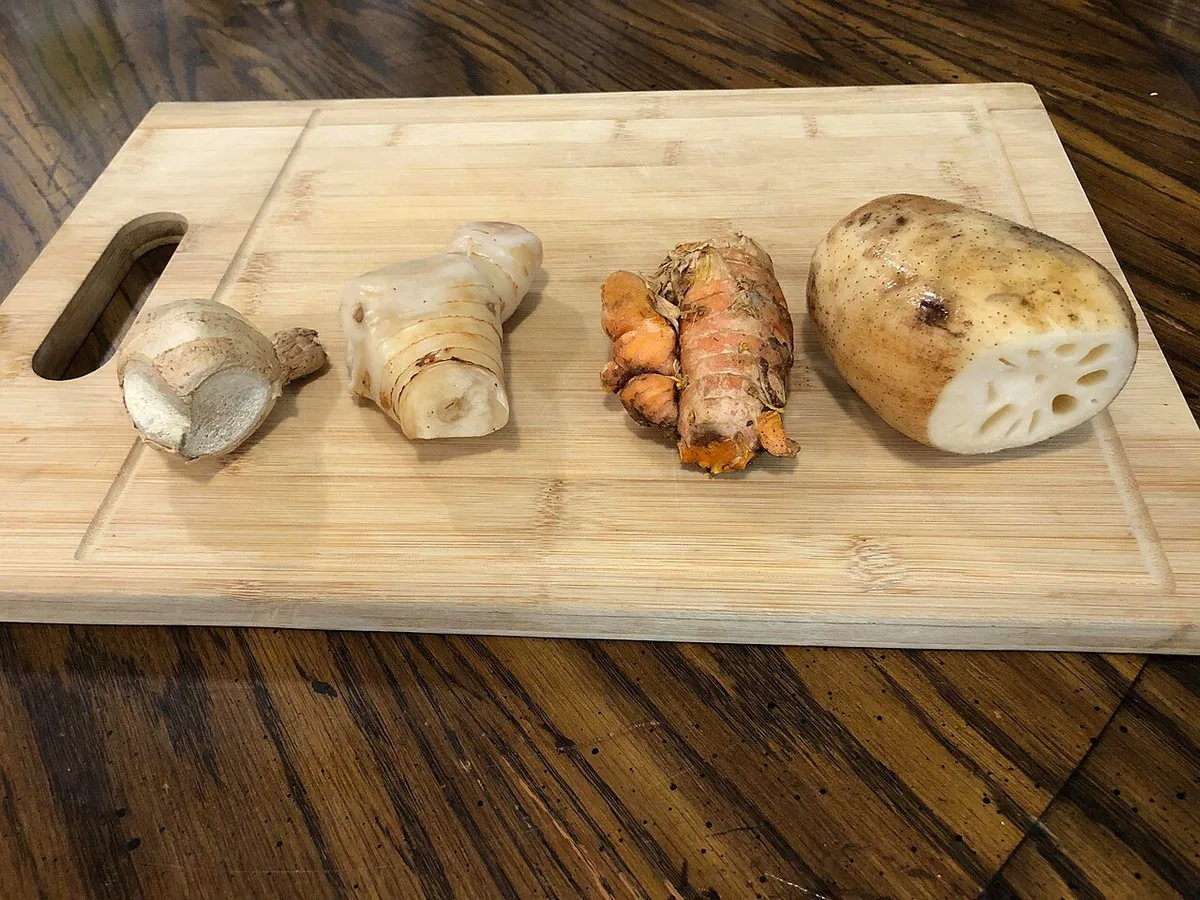
Image source: Wikimedia Commons / ReadEuler (CC BY-SA)
If you see rotting roots, that's why nothing's growing. The plant is redirecting all its energy to fighting infection. If the roots are completely winding around the pot and the root ball is a solid mass, the plant is rootbound.
That can also stall growth because there's no room for new rhizomes to form.
In both cases, the fix is a repot. But the approach is different. Rot needs fresh, dry soil and fewer roots.
Rootbound needs a pot just one or two inches wider.
Step 5: How to Fix What You Find: The ZZ Revival Plan
Once you know the cause, the fix is straightforward. Let's match each problem to a solution.
| Problem | Fix |
|---|---|
| Root rot | Trim dead roots, repot in fresh well-draining mix, wait a week to water |
| Rootbound | Repot into a container 1–2 inches larger |
| Too dark | Move to bright indirect light (500+ foot-candles) |
| Overwatered | Stop watering until soil is dry, then water less often |
| Underwatered | Soak thoroughly, then let it dry out completely |
Use a fast-draining soil mix. A simple blend of 60% regular potting soil and 40% perlite or orchid bark works well. After repotting, don't fertilize for at least a month.
The roots need time to recover.
If you're fixing a low-light problem, just move the plant. In three to six weeks, you should see small green tips pushing up from the soil. That's your signal that the plant is back on track.
If pests are present, treat them with insecticidal soap and wipe down the leaves. Once the plant is healthy again, resume a light fertilizer routine in spring and summer, using half-strength balanced feed once a month. As of 2026, that routine remains the standard for indoor ZZ plants.
Common Mistakes That Keep ZZ Plants Stuck (and How to Avoid Them)
Even with the right diagnosis, one wrong move can keep your ZZ frozen for months. Let's clear up the most frequent errors we see in aggregate reviews and plant forums.
Fertilizing during dormancy. Feeding a ZZ plant in winter forces weak growth that often dies back. Hold all fertilizer from October through February. Resume in spring at half strength.
Repotting too often. ZZ plants hate being disturbed. Aggregate reports show they grow best when rootbound. Only repot every 2 to 3 years or when roots push out the drainage holes.
Watering on a fixed schedule. Twice a week. Every Monday. Bad idea.
The soil dries at different rates depending on light, humidity, and pot size. Always check the soil first.
Using a pot that's too large. Big pots hold excess moisture. That keeps the soil damp and roots stressed. Choose a pot only 1 to 2 inches wider than the root ball.
Ignoring dust on leaves. A thick dust layer blocks sunlight and reduces photosynthesis. Wipe leaves every few weeks with a damp cloth. That simple habit keeps growth steady.
When to Call It: Rot Beyond Saving vs. Rhizomes That Bounce Back
Not every ZZ plant is saveable. But many bounce back from surprising levels of damage. The key is reading the rhizomes correctly.
Signs your ZZ is beyond saving: The rhizomes are completely soft, squishy, and brown. The stem base is mushy. The soil smells sour even after drying.
In that case, the infection has spread too far.
Signs of hope: Firm rhizomes remain, even if some roots are black. Think of them as backup batteries. The plant can regrow new roots and shoots from healthy tissue.
Here's a practical test. Gently squeeze each rhizome. If it feels like a firm potato, keep it.
If it collapses like a grape, cut it away with sterilized shears. Then let the remaining rhizomes air-dry for 24 hours before repotting.
In our research, plants with even one plump rhizome often recover. New shoots can appear 4 to 8 weeks after repotting. It takes patience, but it's rarely a lost cause.
Quick Answers to Common ZZ Plant Questions (FAQ)
How often should I water a ZZ plant?
Water only when the top inch of soil is completely dry. That usually means every 2 to 4 weeks indoors. In winter, stretch it to every 4 to 6 weeks.
Overwatering is the #1 cause of stunted growth and root rot.
Why is my ZZ plant not growing new shoots despite good light?
Check for hidden problems. Rootbound plants stall, even in bright light. Soil that's too old and compacted also blocks growth.
Repot in fresh mix with added perlite. Missing fertilizer in spring is another common reason.
Can I save a ZZ plant with root rot?
Often yes. Remove the plant from its pot, cut away all black and mushy roots, and sanitize the shears between cuts. Keep any firm rhizomes.
Let them dry for a day, then repot in fresh well-draining soil. Don't water for a week.
How much light does a ZZ plant really need?
ZZ plants survive in low light but thrive in medium to bright indirect light. Aim for 500 to 1,000 foot-candles. That's a few feet from an east or west window.
Too much direct sun burns leaves, so find a bright spot without harsh rays.
Why are my ZZ plant leaves turning yellow?
Yellow leaves usually mean overwatering, not underwatering. Check the soil moisture first. If it's wet, let it dry out completely before watering again.
Also remove yellow leaves to stop disease spread. Adjust your schedule moving forward.
Why is my ZZ plant growing tall but not producing new shoots?
That usually points to light levels that are too low for reproduction. The plant stretches its existing stems but lacks the energy to push out new rhizome growth. Move it to a brighter spot with 500 to 1,000 foot-candles.
New shoots typically follow within 4 to 6 weeks.
How long does a ZZ plant take to recover after repotting?
Expect a 4 to 8 week adjustment period. The roots need time to settle into fresh soil before new growth appears. Don't fertilize during that window.
Just keep the soil on the dry side and let the plant find its footing.
Why are my ZZ plant leaves curling or browning?
Curling and browning usually mean uneven moisture or low humidity. Check the soil first. If it's bone dry, give the plant a deep soak.
If it's wet, let it dry out completely. Brown edges also appear from salt buildup, so flush the soil with distilled water occasionally. Trim damaged leaves to keep the plant tidy.
Why is my ZZ plant drooping?
Drooping stems usually mean the rhizomes are dehydrated or the plant is rootbound. Check the soil first. If it's bone dry, give it a thorough soak.
If it's soaked, the roots might be rotting. For rootbound plants, repot into a slightly larger pot. New growth follows once the roots have room.
Should I prune my ZZ plant to encourage new shoots?
Pruning doesn't trigger new shoots on a ZZ plant. The plant grows from rhizomes, not from cut stems. However, removing yellow or damaged leaves helps redirect energy to healthier growth.
Cut at the base with clean shears. Don't prune green stems unless they're flopping or taking up space.
Can a ZZ plant grow in water?
Yes, ZZ plants can root and survive in water. But they grow much slower than in soil. Water-grown rhizomes are also more prone to rot when you try to switch them back.
If you want a water-only plant, change the water every two weeks and add a drop of liquid fertilizer monthly. Just know that growth will be minimal.
Should I rotate my ZZ plant for even growth?
Rotating a ZZ plant every couple of weeks helps it grow evenly. Light from one side makes the plant lean toward it. A quarter turn each watering keeps the silhouette balanced.
It's a simple habit that costs nothing and keeps the plant upright and healthy.
Is it normal for a ZZ plant to stay the same size for months?
Yes, especially in winter or in low light. A ZZ plant can sit dormant for months without dieback. As long as the stems stay firm and green, it's fine.
The moment you move it to brighter light and resume watering in spring, new shoots usually push up within a month or two.
That's the full picture. Check season, check watering, check light, check roots, and then act. Most ZZ plants recover within one growing season once the real culprit is removed.

Similar Posts