ZZ Plant in Water: Can It Grow in Water or LECA?
Botanical Horticulturist & Food Preservation Specialist at Brittle Bloom · Certified Master Gardener & Master Food Preserver · 12+ Years in Plant Propagation & Food Preservation
You're staring at a ZZ plant with roots jammed into a glass vase, wondering if it'll actually survive without soil. Short answer: yes, ZZ plants can grow in water or LECA, but there are real catches before you dunk your plant. I'll walk you through the exact steps, the mistakes that kill these plants in water, and which method actually wins in the long run.
So, Can ZZ Plants Actually Grow in Water?
Yes. But "grow" means something different in a jar of water.
A ZZ plant can live in water for years. The roots adapt, turning thinner and paler than the chunky soil roots you're used to. Put a cutting in a glass vase, and it won't rot, it'll push out new roots and, eventually, new leaves.
Here's the catch: staying alive isn't the same as thriving. Water-grown ZZ plants grow painfully slow. Still water holds very little dissolved oxygen, and ZZ roots are used to the loose, airy pockets in potting mix.
Plain water also has zero nutrients, which is why leaves often yellow after a few months. That's hunger, not disease.
The reason it works at all is the rhizome. ZZ plants store water and energy in those fat, potato-like rhizomes under the soil. That built-in reserve keeps them alive through droughts and neglect.
It's also why they can survive a rough move into water. Even university extension experts agree ZZ roots desperately need air, the whole "well-draining soil" advice exists for a reason. The same logic applies underwater: no oxygen, no growth.
How to Move a ZZ Plant from Soil to Water
Moving a soil-grown ZZ into water is the riskiest part of this experiment. Mess this up, and you'll be staring at a mushy, stinky disaster in two weeks.
Here's how to do it right:
- Start with a small or medium plant. Smaller plants bounce back faster than giant, root-bound ones.
- Slide the plant out of its pot. ZZ roots are brittle, not rubbery, so go slow. Transplanting it the right way makes a huge difference here.
- Rinse the roots under lukewarm water. Get every bit of soil off. Hidden dirt rots fast underwater and clouds up the jar.
- Trim anything mushy or dead. Brown, soft roots get snipped. Use clean scissors.
- Pick a jar with room to breathe. A standard quart mason jar works for most ZZ plants. The roots shouldn't be crammed against the glass.
- Fill with room-temperature water. Filtered or distilled is best. Cover the roots, but keep the rhizome and stem base above the waterline.
- Set it in bright, indirect light. A couple feet from an east or north window is perfect. A hot sunny sill is not.
Now, here's what nobody tells you: the transition is ugly. Old soil roots drown and die. New water roots form, but it takes weeks.
Expect yellow leaves and maybe a dropped stem or two in the first month. That's not failure, that's the plant replacing its plumbing.
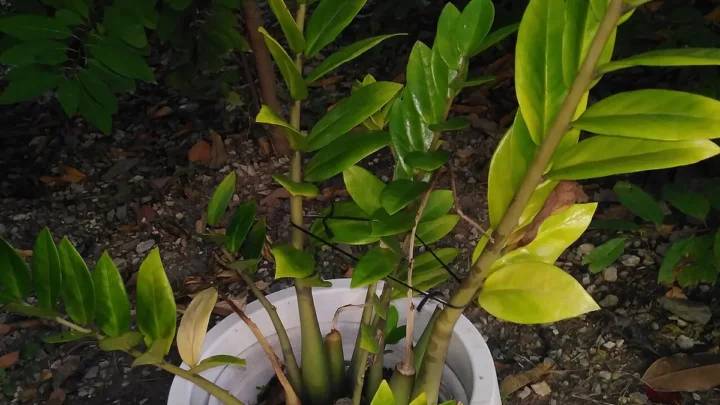
Image source: Wikimedia Commons / Kwameghana(Bright Kwame Ayisi)
Water vs LECA: Which Is Better for ZZ Plant?
Image source: Wikimedia Commons / Wikimedia Commons contributor (CC BY)
If you're torn between the two, here's the short version: LECA is the better long-term home, and plain water is the better low-effort starter.
Both methods get rid of soil. Both let you watch roots grow. But they're not the same game.
Water means roots sitting in a container of still liquid. Simple, cheap, and completely static.
LECA means anchoring the plant in clay balls with a small reservoir of nutrient water at the bottom. The pellets wick moisture upward while leaving air pockets around the roots.
The big difference? Oxygen.
Still water holds way less dissolved oxygen than damp clay pellets. ZZ roots can literally drown in a fully submerged jar. In LECA, roots breathe.
That's why LECA-grown plants usually grow faster and look fuller.
| Factor | Plain Water | LECA |
|---|---|---|
| Root oxygen | Low | High |
| Growth speed | Slow | Moderate |
| Maintenance | Weekly water change | Monthly flush |
| Upfront cost | About $3 | $20+ |
| Rot risk | Medium | Low |
| Algae problems | Yes, in clear jars | Rare |
| Best for | Propagation, small plants | Long-term soilless growing |
Who Should Skip Water-Growing: If you want a big, lush ZZ that throws out new stems every few months, keep it in soil. Water-growing is for people who like the clean, modern look and don't mind slow growth. Same goes if you hate weekly chores, a jar of water needs more attention than a pot of soil, not less.
The best part? You can combine the two. Root a cutting in water first, watch it grow, then move it into LECA once it has a solid root system.
Lots of growers do exactly that.
On the flip side, if you just want zero maintenance, keep your ZZ in soil and walk away. That's still the easiest option by a mile.
Now you might be wondering: how does LECA actually work in practice?
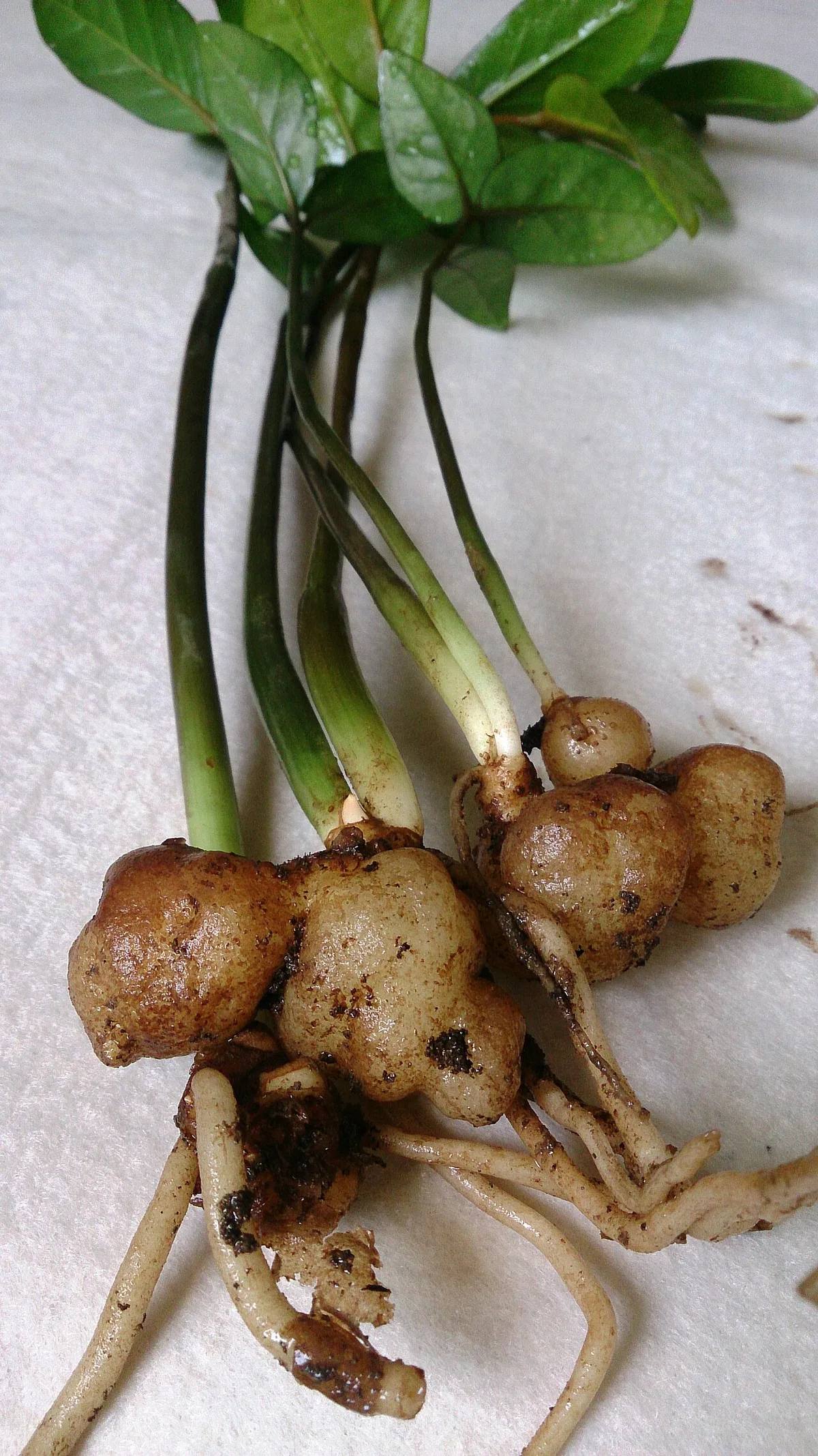
Image source: Wikimedia Commons / Mokkie (CC BY-SA)
Growing ZZ in LECA: Step-by-Step
LECA stands for Lightweight Expanded Clay Aggregate. Fancy name, simple product, little brown clay balls that soak up water like sponges. Semi-hydro growers swear by them.
Here's how to set it up:
- Soak the LECA for 12, 24 hours before use. Dry pellets will actually pull water away from the roots.
- Rinse until the water runs clear. Clay dust is normal. Rinse five or six times, no shortcuts.
- Use a double-pot setup. An inner pot with drainage holes sits inside a solid outer pot that holds the water reservoir.
- Add a 1, 2 inch layer of soaked LECA at the bottom of the inner pot.
- Place the cleaned ZZ plant on top. Spread the roots out, then fill around them with more pellets. A gentle wiggle settles everything nicely.
- Pour water into the outer pot until it reaches about one-third up the inner pot. Never fully submerge the roots.
- Feed with a water-soluble fertilizer made for hydroponics or semi-hydro setups. Regular soil fertilizer leaves salt deposits in LECA.
Expect a rough first month. The old soil roots die back, and the plant looks dramatic, yellowing leaves, droopy stems. Let it shed.
New water roots will replace the old ones.
Picture this: you've done everything right, and your ZZ still looks half-dead at week three. That's normal. The clay balls aren't the problem, the roots are just changing formats.
One more tip: flush the whole setup monthly. Run plain, room-temperature water through the LECA to wash away fertilizer salts, then refill. And getting the light right matters even more in LECA, if the outer pot is clear, algae can grow inside.
The Biggest Mistakes People Make
Let's be real, most "my ZZ in water died" stories come down to five predictable mistakes.
Mistake #1: Submerging the rhizome.
The rhizome, that bumpy potato thing where the stems emerge, must stay above the waterline. Underwater, it softens and rots. Once rot hits the rhizome, the whole plant is done.
Not even close to worth the risk.
Mistake #2: Never feeding the plant.
Water has zero food. Once the plant uses its stored energy, growth stalls and leaves yellow. Add a few drops of balanced liquid fertilizer every 4, 6 weeks during spring and summer.
Ease off in winter.
Mistake #3: Using cold tap water.
Cold water shocks the roots, especially during the transition. Chlorine doesn't help either. Let tap water sit out for 24 hours, or just use filtered or distilled water at room temperature.
Mistake #4: Direct sunlight on the jar.
This is how you get green algae soup in a pretty glass vase. Roots don't want a sunbeam. Bright, indirect light only.
Mistake #5: Ignoring murky water.
If the water looks cloudy or smells, change it immediately. Stale water breeds bacteria. Weekly changes prevent the problem entirely.
Frequently Asked Questions
How long can a ZZ plant live in water?
Years, honestly. People keep ZZ cuttings in water for years as long as they change the water regularly and add a little fertilizer. It won't grow as big or as fast as in soil, but it'll live.
Is LECA better than water for ZZ plants?
For long-term growth, yes. LECA provides way more oxygen at the root zone. But water is simpler and basically free if you just want to display cuttings on a desk.
Can I grow a ZZ from a leaf cutting in water?
Yes. Pluck a healthy leaf, put the stem end in water, and wait. It takes months, sometimes six or more, for a rhizome to form.
Patience is the whole game here, but the payoff is worth it if you're a patient plant parent.
Why are my ZZ leaves turning yellow in water?
Usually one of three things: not enough nutrients, the rhizome sitting underwater, or the water hasn't been changed in weeks. Check all three before you panic.
Is ZZ plant safe for pets?
No. ZZ plants contain calcium oxalate crystals that irritate a pet's mouth and stomach. The ASPCA's poison control experts classify them as toxic to cats and dogs.
If your pet chews on a leaf, read the vet's take and call your clinic right away.
Bottom Line
Can ZZ plants grow in water or LECA? Yes, both work. Water is the cheap, simple route.
LECA is the smarter long-term choice that gives roots more oxygen and a real shot at thriving.
But here's the truth: neither beats soil for the average plant parent. Soil-grown ZZ plants are bigger, faster, and way easier to maintain. Growing in water or LECA is a trade, you swap growth speed and convenience for a clean look and visible roots.
Try it with a cutting if you're curious. Worst case, you lose one leaf. Best case, you get a stunning water-grown ZZ on your desk.
And if this whole experiment feels like too much, keeping one healthy in soil is still the easiest path by far.

Similar Posts