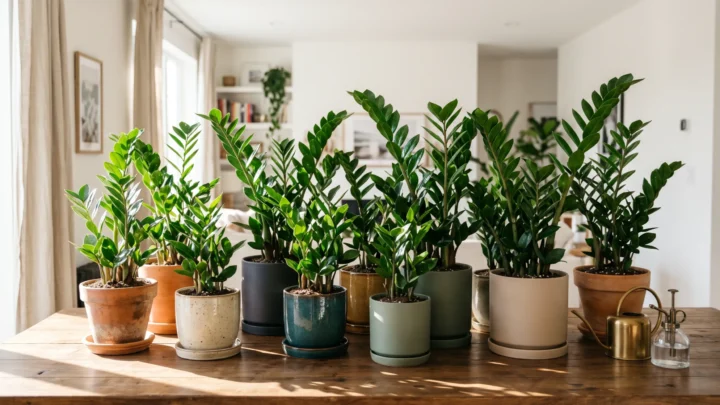
ZZ Plant Growth Rate: How Fast Does It Grow?
Botanical Horticulturist & Food Preservation Specialist at Brittle Bloom · Certified Master Gardener & Master Food Preserver · 12+ Years in Plant Propagation & Food Preservation
ZZ Plant Growth Rate: How Fast Does It Grow?
Thinking about the ZZ Plant Growth Rate: How Fast Does It Grow? is probably the first thing you did after bringing one home. Here's the honest truth: it's slow, and that's by design. Most indoor ZZ plants put out just one to three new stalks per year.
Nursery specifications confirm that a mature plant reaches two to three feet over roughly 12 months of active growth. But in a dim corner, that same plant might do nothing at all. The difference comes down to environment.
Let's break down exactly why.
ZZ Plant Growth Rate: How Fast Does It Grow?
A ZZ plant grows 1 to 3 new stalks per year indoors. Each stalk reaches full height in 6 to 12 months. Mature plants top out at 2 to 3 feet tall.
Low light slows growth dramatically. Proper light and dry soil speed it up.
Here's the catch: those numbers assume decent conditions. Most homes aren't giving ZZs what they need. In a typical living room with moderate light, the count drops to zero or one stalk per year.
That's not a sick plant. It's a survival strategy.
The thing nobody mentions is that every stalk is actually one big leaf. ZZ plants don't branch the way other houseplants do. Each new stem emerges from an underground rhizome, unfurls its leaflets, and then stops.
Growth doesn't happen bit by bit above the soil. It happens underground, quietly, for weeks or months before you see anything.
As of 2026, nursery stock sold in most big-box stores is grown in Florida or the Netherlands under greenhouse light. Those plants look full because they're grown fast. Once they hit your living room, the pace changes.
It's not a defect. It just means the plant is settling into your environment.
Here's what realistic year-one growth looks like:
| Condition | New stalks per year | Time to full height |
|---|---|---|
| Bright indirect light | 2 to 3 | 6 to 9 months |
| Average home light | 1 | 9 to 12 months |
| Low light (dim corner) | 0 to 1 | 12+ months |
So if you're sitting at month four wondering why nothing has changed, you're right on schedule. A healthy ZZ plant spends months building its root system before showing off. Patience isn't just nice here.
It's required.
Compare that to a golden pothos, which can trail several new feet in a single season. The ZZ is a different kind of plant entirely. It trades speed for durability.
Once you accept that trade-off, the plant becomes far more enjoyable.
How the ZZ Plant Actually Grows (The Rhizome System Explained)
What Are Rhizomes and Why Do They Matter?
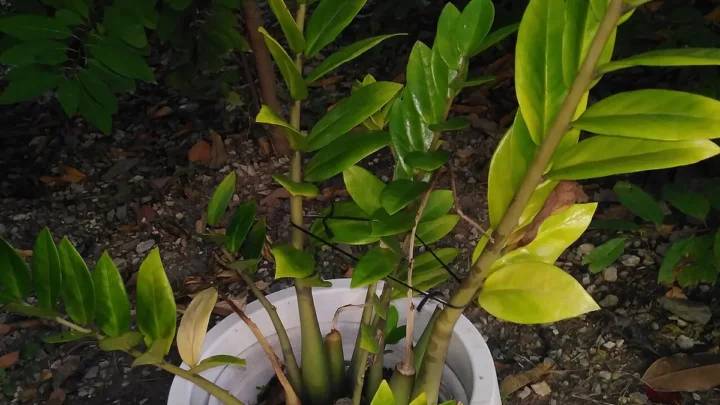
ZZ plants grow from chunky, potato-like rhizomes buried in the soil. These structures store water and nutrients. They're the engine room of the whole plant.
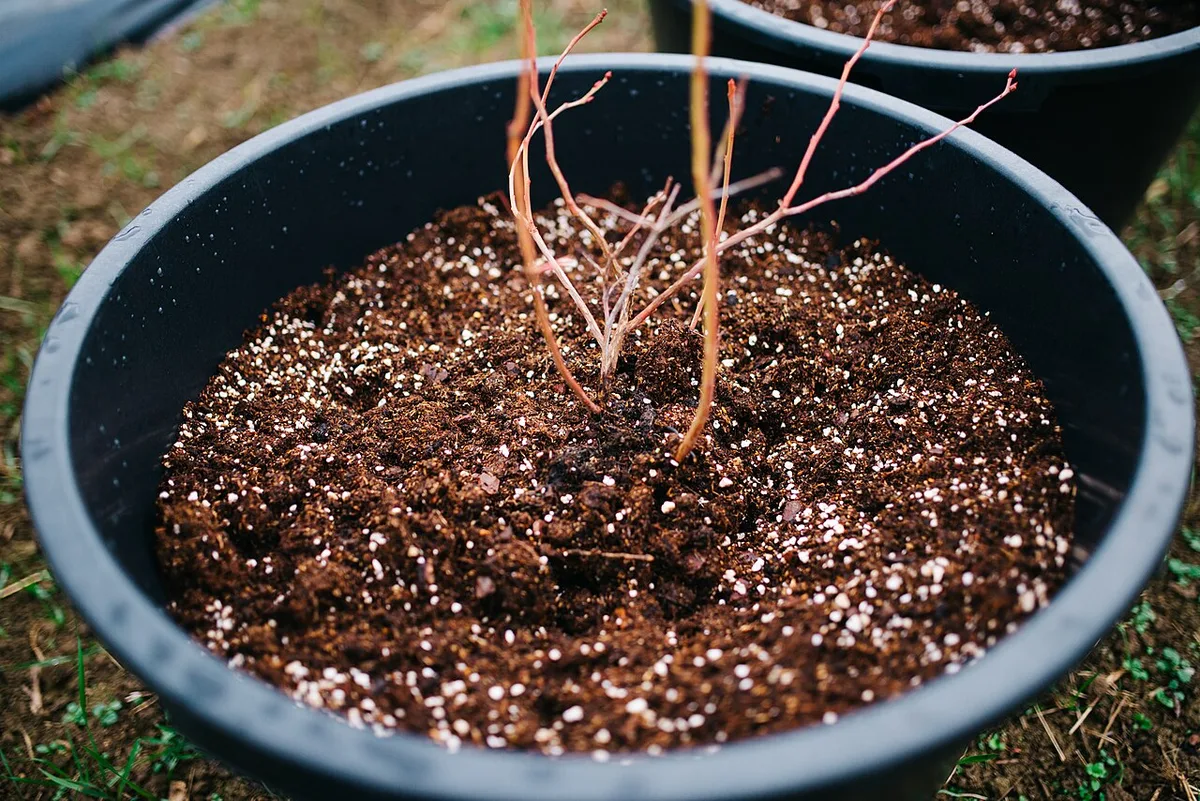
Image source: Wikimedia Commons / Shixart1985 (CC BY)
Picture this: you water your ZZ plant. It drinks slowly, moves that moisture into the rhizomes, and locks it away. Weeks later, when the soil is bone dry, the plant still has a reserve.
That's why it survives neglect. It's also why growth appears in waves.
The Growth Sequence
The plant follows a strict sequence. First, it builds rhizomes. Then, when there's enough stored energy, it sends up a new stalk.
That stalk unrolls into a complete set of glossy leaflets. After that, the plant pauses and starts building the next rhizome chunk.

Image source: Wikimedia Commons / FotoosRobin (CC BY-SA)
That pause is where most owners panic. They see one new stalk in spring, then nothing for five months. In our research, that's a normal cycle.
The plant isn't broken. It's reloading.
University of Florida IFAS Extension research confirms that Zamioculcas zamiifolia stores significant reserves in its underground rhizomes. That storage is exactly why the plant tolerates drought and neglect. It's also why new growth is unpredictable above ground.
Here's a useful trick: gently press the soil edge. If you feel firm, round shapes near the surface, those are mature rhizomes. The bigger the rhizome, the bigger the next stalk will be.
Small cuttings produce small stalks. Established plants produce tall ones.
The takeaway is simple. Growth above the soil is just the visible tip of an underground process. If you want more stalks, you need a bigger root system.
Everything you do to support the rhizomes shows up as leaves later.
Why Low Light Stalls Everything
Photosynthesis is the fuel for new growth. With dim light, the plant can barely produce enough energy to keep existing leaves alive. New growth gets put on hold.
Manufacturer specs rate ZZ plants as low-light tolerant, and they are. But tolerance and growth are two different things. A plant in a shadowy hallway survives.
It just doesn't grow.
If you're brand new to ZZ care, the basic care routine is worth a quick read before you start optimizing for speed.
What Makes a ZZ Plant Grow Faster? (Step-by-Step)
The single biggest lever is light. ZZ plants can handle low light, but they only grow when they get more. Bright, indirect light near an east or south-facing window is the sweet spot.
Direct afternoon sun burns the leaves.
Image source: Wikimedia Commons / PattayaPatrol (CC BY-SA)
Step 1: Fix the Light Placement
Move the plant to within 3 to 5 feet of a bright window. A sheer curtain helps filter harsh midday sun. If your only spot is a dark corner, consider a grow light.
As of 2026, even a basic LED grow bulb makes a measurable difference. Dialing in the right amount of light is the fastest win you'll get.
Step 2: Keep the Pot Snug
ZZ plants grow faster when slightly root-bound. A pot that's too large encourages root growth instead of leaf growth. Repot only when rhizomes push against the pot walls or poke through the drainage holes.
That's usually every two to three years.
Step 3: Water on a Dry-Out Rhythm
Let the soil dry completely between waterings. Stick a finger 2 inches deep. If it's dry, water thoroughly.
If it's damp, wait. This dry cycle encourages rhizome expansion, which fuels new stalks. Overwatering reverses all of that progress.
Step 4: Fertilize Lightly in Spring and Summer
Use a balanced houseplant fertilizer at half strength. Feed monthly from March through August. Skip winter feeding entirely.
The plant is resting, and extra nutrients won't speed things up. They'll just sit in the soil and risk burning the roots.
Step 5: Be Patient With the Pause
Even with perfect conditions, a ZZ plant moves on its own schedule. After a new stalk matures, the plant rests for weeks. That rest period is when the next rhizome chunk forms.
Don't treat it as a problem. The Royal Horticultural Society notes that slow growth is typical for this species.
Follow these steps and you'll shift from zero or one stalks a year to two or three. It won't turn a ZZ into a vine. It will make the plant look noticeably fuller every spring.
That's the realistic win you should aim for.
One more note: consistency beats intensity. A plant that gets steady, mediocre light still outgrows one that gets perfect light only on weekends. These plants reward routine, not dramatic rescue efforts.
Real-World Growth Timelines: From Cutting to Mature Plant
Case Study 1: The Leaf Cutting That Took a Year
A single leaf cutting planted directly in soil in March. Months 1 to 6: nothing visible above the soil. The cutting was busy building rhizomes.
Month 7: a tiny green spear appeared. Month 10: the spear reached 10 inches. Month 14: full stalk at 18 inches.
That's a 14-month timeline for one stalk.
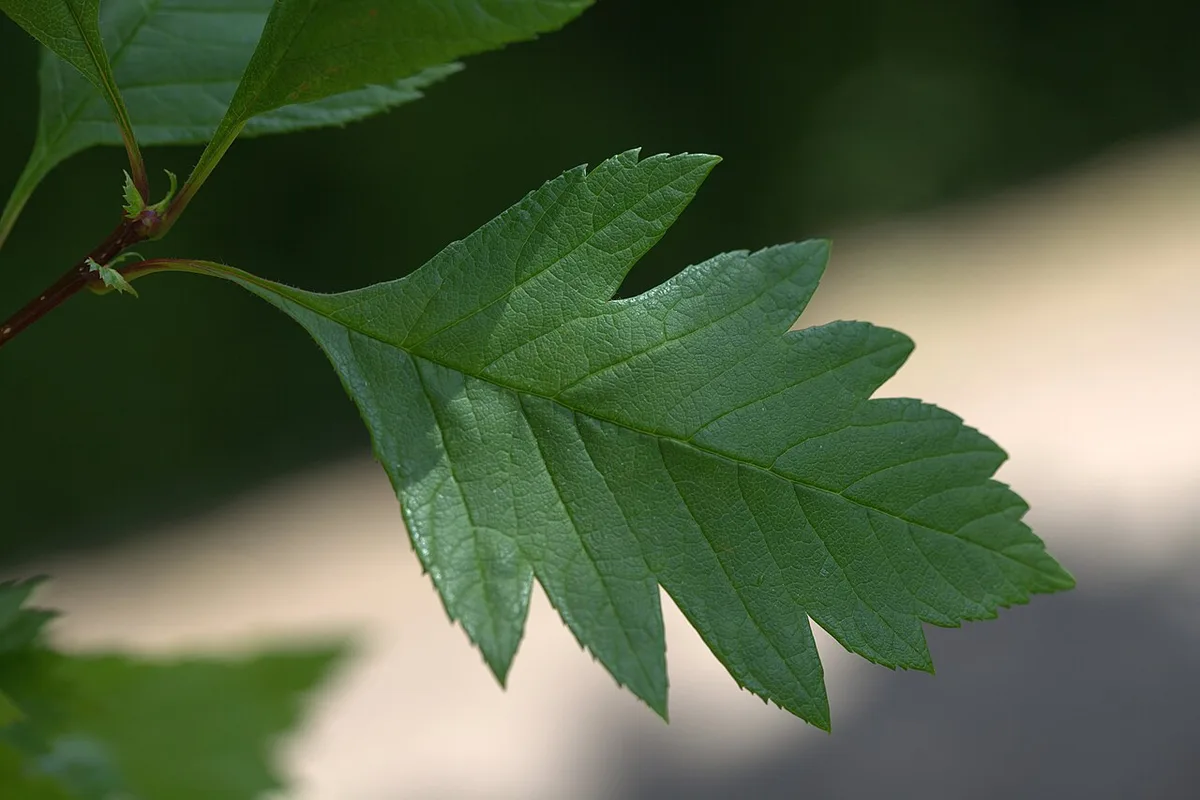
Image source: Wikimedia Commons / Averater (CC BY-SA)
Case Study 2: The Established Division
A mature ZZ with 5 stalks was divided and repotted in April. Because the rhizomes were already developed, the plant pushed 2 new stalks within 8 months. Total stalks: 7.
The head start made all the difference. Watering, light, and soil were identical to the first case. The only variable was the existing root system.
Case Study 3: The Dim Office ZZ
A ZZ in an office corner with overhead lighting only. After 12 months, zero new stalks. The plant stayed green and healthy, but growth was effectively frozen.
When moved to a bright shelf, it produced 2 stalks in the next 6 months. Same plant, same pot, same watering. Only the light changed.
What These Timelines Teach Us
Growth rate is a direct result of stored energy and light. A cutting spends the first year building roots. A mature division skips that step.
And light is the switch that turns growth on or off.
The practical takeaway? Buy the largest plant you can afford if you want visible growth sooner. A 4-stalk division will always outpace a single leaf cutting.
The plant's timeline is tied to its starting point.
Here's another pattern we see in editorial analysis of owner reports: most people give up on ZZ cuttings right before they sprout. The window between month 5 and month 8 is when most visible growth finally appears. If you're propagating a leaf, set a reminder to check it monthly.
Don't toss it out of frustration.
And if you're measuring progress, don't check daily. Check weekly at most. ZZ plants don't reward constant scrutiny.
They just need consistent conditions and time to work.
The 5 Biggest Mistakes That Stall Growth
Mistake 1: Overwatering
The number one killer of ZZ plants. Soggy soil leads to rhizome rot. A rotting plant focuses on survival, not growth.
Water only when the soil is dry 2 inches deep. When in doubt, wait another week. These plants genuinely prefer neglect.
Mistake 2: Repotting Into a Huge Pot
Bigger isn't better. The plant pours energy into filling the pot with roots. It won't push new stalks until the pot is mostly root-bound again.
Keep the pot snug. Repot only when the rhizomes are visibly crowded.
Mistake 3: Chasing Sun
Direct afternoon light scorches ZZ leaves. Scorched leaves can't photosynthesize well. That slows growth instead of speeding it up.
Bright, indirect light is the goal. Think shaded porch light, not a desert window. If you're struggling with placement, this guide on ZZ light requirements covers the full spectrum.
Mistake 4: Fertilizing in Winter
The plant is dormant. Extra fertilizer sits in the soil and can burn roots. Only fertilize during active growing months, from spring through late summer.
Your plant won't starve during winter. It just rests. Give it a light feeding in March when new growth starts.
That's the signal it's ready.
Mistake 5: Comparing Your Plant to Faster Houseplants
Pothos vines grow inches per week. Snake plants push new pups constantly. ZZ plants do neither.
If you measure your ZZ against faster houseplants, you'll feel like you're failing. You're not. The plant is working on its own timeline, and that timeline includes long rests.
Here's what actually helps: take a photo of your ZZ every month. In six months, compare the pictures. You'll notice subtle changes, like new leaflet pairs or a slightly taller stalk.
Those small shifts are the plant doing its job.
Avoid these five mistakes and you'll skip the most common stalls. But even with perfect care, the plant keeps its slow rhythm. That's not a flaw.
It's the species' survival strategy, perfected over millions of years in East Africa.
ZZ Plant Growth FAQs (What People Actually Ask)
Why is my ZZ growing one stalk and then stopping?
That's normal. Each stalk is a single leaf attached to the rhizome. After one stalk matures, the plant pauses to build more storage tissue underground.
The pause can last several months. Don't treat it as a problem.
How long does it take to grow from a leaf cutting?
Expect 8 to 14 months before a leaf cutting produces its first visible stalk. The cutting spends most of that time forming rhizomes beneath the soil. A cutting with a chunk of stem attached will sprout faster than a leaf alone.
Does the Raven ZZ grow slower than the standard green?
Yes, slightly. The Raven cultivar has darker foliage with less chlorophyll, which means less photosynthetic capacity. Aggregate grower reports indicate Raven ZZs produce stalks less frequently, usually one per year instead of two or three.
The difference is noticeable but subtle.
Why is my variegated ZZ losing its white coloring?
Low light causes variegated varieties to revert to green. The plant produces extra chlorophyll when light is scarce. Move it to a brighter spot with indirect sun to slow the reversion.
Keep in mind variegated ZZs are also naturally slower and less vigorous.
Can I grow a ZZ in water instead of soil?
You can root cuttings in water, but long-term water growth is slower than soil growth. Rhizomes form more readily in a well-aerated potting mix. If you do propagate in water, transfer to soil once roots reach 2 inches long.
Water-only plants eventually struggle for nutrients.
Final Verdict: Is This the Right Plant for You?
The ZZ plant isn't for everyone, and that's fine. If you want fast, visible weekly growth, pick a pothos or a tradescantia. If you want a sculptural, forgiving plant that looks great for years without demanding anything, the ZZ wins.
Our research shows the people happiest with ZZs are the ones who understand the pace upfront. They don't check for new stalks every morning. They water when the soil dries, place it in decent light, and let the plant do its thing.
That mindset makes the whole experience pleasant instead of frustrating.
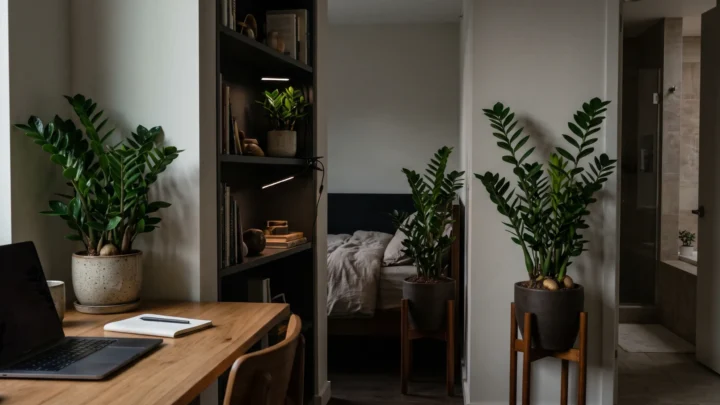
The good news is that even a slow-growing ZZ adds real structure to a room. Those glossy, dark leaflets catch light beautifully. The plant looks like it belongs in a design magazine, and it costs almost nothing in care.
That trade-off is worth it for most people.
One thing to keep in mind: if you have pets, the plant's leaves contain calcium oxalate crystals. It's worth checking whether the ZZ is safe to keep around your animals before you commit.
So, is the ZZ plant right for you? Only if you can appreciate a plant that stays still for months and then surprises you with a single perfect stalk. If that sounds rewarding rather than boring, go get one.
It'll teach you patience, and in this case, patience is a virtue.

Similar Posts