How to Save a ZZ Plant from Root Rot
Botanical Horticulturist & Food Preservation Specialist at Brittle Bloom · Certified Master Gardener & Master Food Preserver · 12+ Years in Plant Propagation & Food Preservation
Your ZZ plant is turning yellow, the soil smells like a swamp, and the stems are flopping over like they lost a fight. The fix is root rot rescue, and you need to start within 48 hours. Here's the exact step-by-step plan to bring it back.
What Is ZZ Plant Root Rot, Anyway?
Root rot isn't a disease your plant catches at the nursery. It's a condition you create when the soil stays wet too long. ZZ plants store water in thick rhizomes underground, those potato-like tubers act like camel humps.
When you drown the roots, they can't breathe. The root cells literally suffocate, die, and start to decay. Then opportunistic fungi and bacteria move in and finish the job.
Here's the catch: by the time you notice damage above the soil, the rot has been working underground for weeks. That's why waiting is so dangerous. University extension researchers all point to the same root cause, no oxygen in the root zone.
Once the potting mix is waterlogged, air pockets vanish, root cells die, and the rot spreads fast.
5 Warning Signs You Can't Afford to Ignore
ZZ plants don't throw dramatic tantrums. They fail quietly. Catching root rot early gives you a much better shot, so watch for these signs:
- Yellow, mushy lower leaves. Healthy yellowing is dry and crispy. Rot yellowing looks bloated and feels wet. Big difference.
- Stems that flop over at the base. A healthy ZZ stem stands upright. If the base of the stem feels soft or wobbly, rot is already in the rhizome area.
- Squishy rhizomes. Gently poke around the top of the soil, or in a serious case, lift the whole plant out of the pot. Healthy rhizomes are firm like a potato. Rotten ones cave in under your finger.
- A sour, swampy smell from the soil. If it smells like a pond that went bad, that's bacteria busy in the rotting roots below.
- The plant lifts out of the pot too easily. When roots die and shrink, the root ball gets loose. A firm, healthy root ball should resist tipping.
Now, a reality check: one yellow leaf at the bottom is usually nothing. ZZ plants shed old leaves as they grow. But if you're seeing two or more of these signs at the same time?
Treat it as root rot until proven otherwise.
Here's a quick comparison so you know exactly what you're feeling for:
| Part | Healthy | Rotten |
|---|---|---|
| Roots | White or beige, firm, flexible | Black or brown, stringy or mushy |
| Rhizome | Firm, like a raw potato | Soft, squishy, sometimes hollow |
| Smell | Earthy, neutral | Sour, swampy, foul |
| Stem base | Hard, holds itself up | Soft, wobbly, floppy |
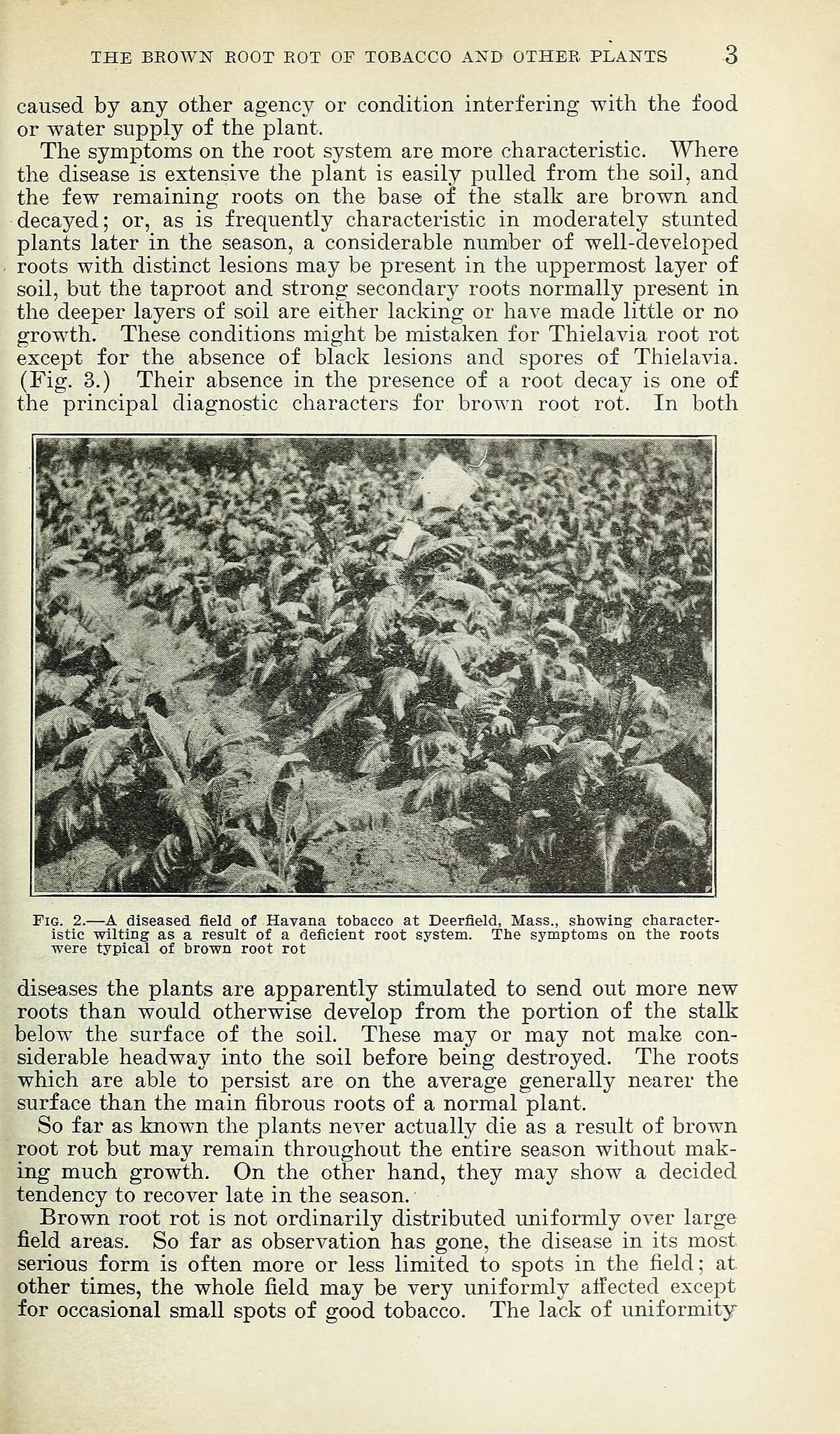
Image source: Wikimedia Commons / Johnson, James; Murwin, Herbert Franklin; Slagg, C. M.
How to Save a ZZ Plant with Root Rot: Step by Step
Act fast, but don't panic. The rescue takes about an hour of work, plus a couple of days of drying time. Here's the whole process.
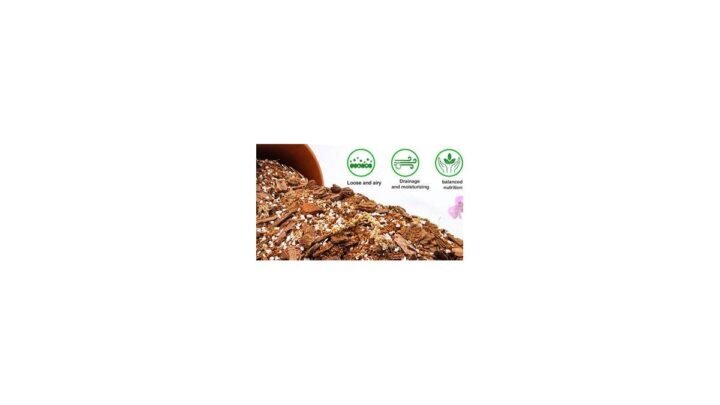
Step 1: Gather your tools. You'll need sharp, clean pruners or scissors, rubbing alcohol (70% or higher), a fresh pot with drainage holes, and a well-draining potting mix. The mix matters, a regular potting soil holds way too much water. Go with a succulent mix, or make your own by mixing in 30-50% perlite or pumice.
If your only option is a big decorative pot, stick a smaller nursery pot inside it for the recovery period instead of planting directly into the big one.
Step 2: Pull the plant and shake off the old soil. Do this over a trash bag. Get as much wet soil off the roots as you can. If the soil is completely soaked, rinse the roots under lukewarm water so you can actually see what's healthy underneath.
Step 3: Inspect and cut. This is the scary part. Trim away every root that is black, brown, mushy, or stringy. Healthy roots are white or light beige and feel firm.
Cut a little above the damaged spot, into the clean tissue. Sanitize your blades with rubbing alcohol between cuts so you don't spread rot around.
If a rhizome is completely soft and smells bad, cut it off too. If it's mostly firm with a few soft spots, cut out just the soft spots.
Step 4: Remove the ugly foliage. Yellow leaves and limp stems won't come back. Prune them at the base. Fewer leaves means the damaged root system has less to support while it recovers.
Step 5: Air the roots out. Lay the plant on a towel in a dry spot with decent airflow, out of direct sun. Let it sit for 24 to 48 hours. This step feels backwards, but it's often the one that saves the plant.
The drying lets cut wounds callus over and kills off lingering rot before everything goes back into soil. Skip this step, and you're asking for round two.
Step 6: Repot. Fill the new pot with fresh, well-draining soil. Set the plant in so the rhizomes sit about an inch below the surface, and fill in around them. Don't pack the soil down hard.
And no matter how much you want to, don't water yet.
Step 7: Place it in the right spot. Bright, indirect light is ideal for recovery. Too much direct sun stresses a weakened plant, and too little light slows recovery. Getting the light levels right is half the battle, especially after a root disturbance.
Key takeaway: when in doubt, cut more. Rotten tissue left behind will keep spreading and undo all your work. It's better to lose a few roots now than the whole plant next week.
Who should skip this whole rescue? If the stems are mush all the way up and every rhizome feels like a wet sponge, there's no root system left to save. Your only real option at that point is trying to propagate the healthy parts, or just starting fresh with a new plant.
Brutal, but honest. Not every ZZ can be saved, but most can.
After the Rescue: Repotting and Aftercare
You've repotted. Now don't mess it up. The number one instinct is to water the plant and make it feel better.
Stop. Right. There.
Wait 5 to 7 days before the first watering so the freshly cut roots can heal in soil.
When you do water, water just enough to make the soil evenly moist, not drenched. Then don't water again until the soil is dry at least an inch deep. For most homes, that means every two to three weeks.
In winter, sometimes less.
The best part? ZZ plants are incredibly forgiving once the roots get a fresh start. You'll know recovery is happening when new shoots push up from the soil, usually 4 to 8 weeks after repotting.
Until you see that, leave the plant alone. Less fussing equals a healthier ZZ.
Keep it in normal room temperature, away from cold drafts and hot air vents. Don't fertilize for at least 6 to 8 weeks after a rescue. The fresh soil already has nutrients, and a damaged root system can't handle fertilizer stress.
One more thing: if you've got pets, check whether this plant is dangerous to pets before you set it somewhere easy to reach. The ASPCA keeps a plant toxicity database, and it's a quick way to see what level of caution you need. The leaves aren't toxic enough to kill a dog, but they can cause mouth swelling and vomiting, which is a bad afternoon for everyone.
Now, you might be wondering about lighting again. Keep the pot in a spot with bright, indirect light for most of the day. That's the sweet spot for a recovering ZZ.
Too much direct sun can toast the leaves while it's already stressed.
The Biggest Mistake People Make: Watering on a Schedule
Here's what kills more ZZ plants than anything else: watering on a fixed schedule. Every Monday. Twice a week to keep it moist.
This plant doesn't work that way.
ZZ rhizomes are built for drought. In their native environment, they go months without rain and survive. They store water like a reserve tank.
When you water on a schedule, you're constantly refilling a tank that isn't empty yet. The roots sit in soggy soil, and the rot cycle starts all over again.
The truth is, a ZZ would rather be thirsty than drowned. Underwatering leaves you with slightly wrinkled leaves that bounce back fast after a drink. Overwatering takes you right back to root rot and a panicked rescue mission.
So here's your new rule: check the soil with your finger before every watering. If it's dry an inch down, water. If it's still damp, walk away.
And if you love a routine, set a reminder to check the soil, not to water it. Checking is free. Watering can cost you the plant.
Can You Propagate the Healthy Parts?
Yes, and you absolutely should, especially if your plant is in bad shape. Propagating gives you a backup even if the main rescue fails. Just know that ZZ propagation is slow.
Really slow. It's a patience project, not a weekend win.
Leaf cutting method: twist a healthy leaf off the stem with its little base intact. Or cut a stem into sections with a few leaves each. Let the cut ends dry and callus for a couple of days, then push them about an inch into moist succulent soil.
Put the pot in bright, indirect light and forget about it. Roots can take 6 to 10 weeks. New shoots can take months.
That's normal for ZZ plants.
Stem cutting method: if the top part of a stem is still firm, cut it a few inches above the rot. Let the cut end dry, then plant it directly in fresh potting mix. This gives you a bigger plant faster than leaf cuttings, and it works even when the roots are completely gone.
No fancy equipment needed. A clean pot, well-draining soil, and patience are the whole list. While you wait for the cuttings to root, the full care breakdown will help you get the conditions right so your new babies don't face the same problem twice.
FAQ: Root Rot Questions, Answered Quickly
Can a ZZ plant recover from root rot?
Yes, if any roots or rhizomes are still firm and white. The plant will drop damaged leaves and regrow over the next few months.
How long does recovery take?
New shoots usually show in 4 to 8 weeks, and a full bushy look can take 6 to 12 months. In the meantime, stick to the simple care rules and don't fuss over it.
Should I water right after repotting?
No. Wait 5 to 7 days. The freshly cut roots need time to heal before they meet water again.
Does hydrogen peroxide help?
Some people swear by it. The honest answer: it can kill off bad microorganisms, but it also stresses healthy root tissue, and getting the dose wrong does more harm than good. A clean cut and dry air do the real work.
Can root rot spread to my other plants?
The bacteria and fungi can live in the old soil and on your tools. Throw the old soil in the trash, wash your tools, and don't reuse dirty pots without scrubbing them first.
The Bottom Line
Root rot looks scary, and it kills most ZZ plants. But if you catch it while some roots are still firm, you've got a real chance. Cut away the damage, let the plant dry out, repot in fresh soil, and keep your hands off the watering can.
The plant doesn't need an expert. It needs an owner who stays out of its way. Do that, and your ZZ will be pushing out new shoots before you know it.

Similar Posts