Are Peace Lilies Toxic to Cats? Yes, Protect Them
Botanical Horticulturist & Food Preservation Specialist at Brittle Bloom · Certified Master Gardener & Master Food Preserver · 12+ Years in Plant Propagation & Food Preservation
So, are peace lilies toxic to cats? Yes, they are, but the good news is they're not the deadly emergency most pet owners fear. Peace lilies contain a compound that causes intense mouth irritation, drooling, and vomiting, but they are fundamentally different from true lilies.
According to the ASPCA's Animal Poison Control database, peace lily ingestion typically results in mild to moderate gastrointestinal upset, and the majority of cats recover without needing intensive veterinary care. The tricky part is telling a peace lily apart from other houseplants. Let's break down what you actually need to know if your cat takes a bite.
The Quick Answer: Yes, But With a Catch
Yes. Peace lilies are toxic to cats. But they're not the emergency you've heard about.
The peace lily, or Spathiphyllum, contains needle-shaped crystals that irritate the mouth and stomach. As of 2026, veterinary toxicology guidelines still categorize peace lily poisoning as mild to moderate. It's painful for your cat, but it is rarely fatal.
The catch is the name. "Lily" makes it sound as dangerous as a true lily, and true lilies are deadly to cats. That confusion is what sends panicked owners to the emergency vet for a non-emergency.
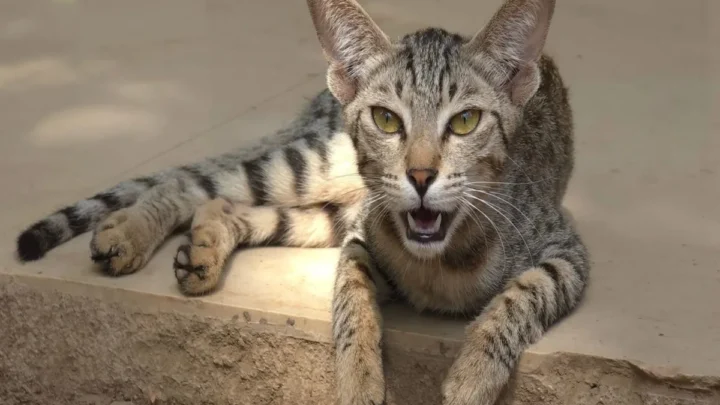
The clinical reality is straightforward. A cat who bites a peace lily will typically start drooling heavily within minutes. They'll paw at their mouth and may vomit once or twice.
That's the body reacting to the physical irritation, not a sign of systemic poisoning.
In most cases, this plays out over 12 to 48 hours. The cat loses interest in food for a bit, then bounces back. We're looking at a discomfort problem, not a life-threatening organ failure.
Here's what makes this different from a true emergency: the toxin doesn't absorb into the bloodstream. It acts locally, like tiny shards of glass stuck in your gums. So while your cat feels terrible, their kidneys and liver stay safe.
Let's break down what's actually happening inside that mouth.
What Makes Peace Lilies Toxic: Calcium Oxalate Explained
The aggressor is a compound called insoluble calcium oxalate.
These are microscopic, needle-like crystals, known formally as raphides. They're packed into every part of the peace lily, including the leaves, stems, and flowers.
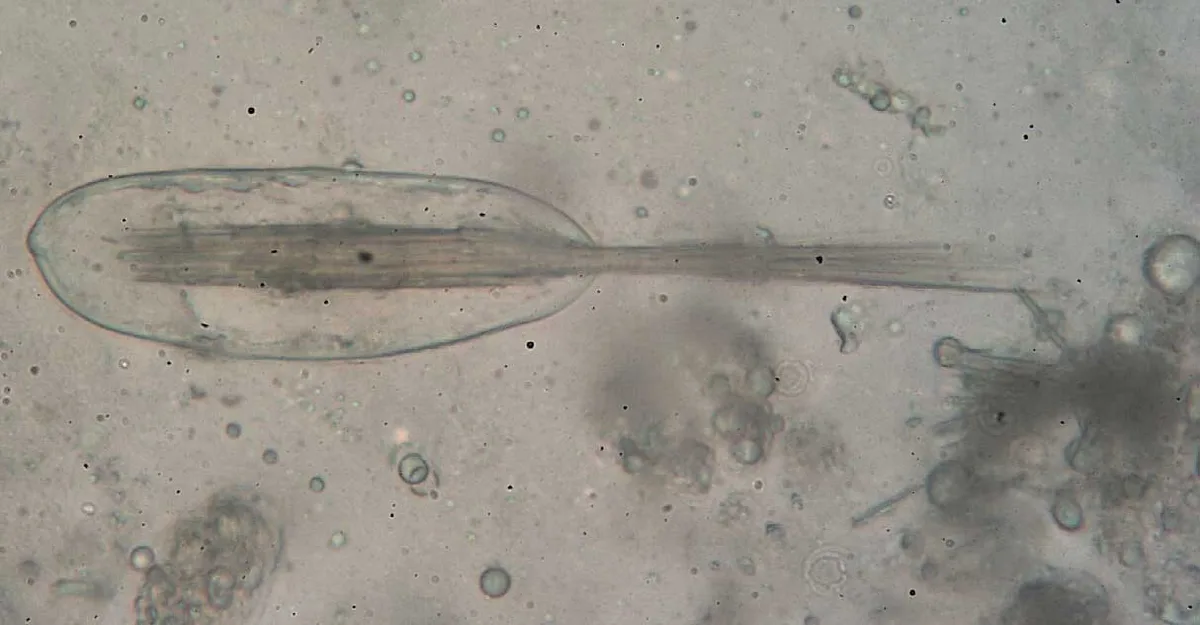
Image source: Wikimedia Commons / Agong1
When your cat chews down on a leaf, those bundles of crystals get damaged and fire out like tiny harpoons. They penetrate the soft tissue of the mouth, tongue, and throat in an instant.
This is where the pain comes from. The body immediately sends fluid to the area, which causes swelling. The drooling is a response to the pain and the irritation.
Because the crystals are insoluble, they don't dissolve into the bloodstream. They stay right where they are. That means the damage and the symptoms are localized to the areas they touch.
Compare that to a true lily toxin, which enters the digestive tract and travels to the kidneys. The peace lily's method is purely physical, not chemical.
So if your cat eats a decent amount, you'll see more swelling and more drooling. But their kidneys and liver are not under attack. The body will eventually wash the crystals away, and the sore spots will heal.
The main danger here isn't the toxin itself. It's the risk of dehydration if the cat refuses to drink due to mouth pain, or an upper airway obstruction if severe swelling occurs, though that's rare.
Recognizing Symptoms: What to Look For and How Soon
So how do you know if your cat has had a bite? The signs are usually unmissable, and they come on fast.
The onset time is typically 10 to 30 minutes after ingestion. That's how long it takes for the raphides to embed and the swelling to start.
Common symptoms include:
- Severe drooling (ptyalism), often foamy or excessive
- Pawing at the mouth or face
- Vocalizing or whining
- Refusing food or water
- Vomiting, usually just once or twice
- Swollen lips, gums, or tongue
- Reduced appetite for a day or two
| Symptom | What it looks like | Typical duration |
|---|---|---|
| Drooling | Gushing, ropey saliva | First 12-24 hours |
| Pawing at mouth | Persistent rubbing | First few hours |
| Vomiting | 1-2 episodes | First 24 hours |
| Appetite loss | Refuses food | Up to 48 hours |
If your cat shows these signs, you know they got a dose. If they aren't choking and are acting relatively bright otherwise, you have time to act calmly.
The tricky part is spotting the difference between mild discomfort and a serious airway obstruction. If you see loud breathing, wheezing, or a blue tint to the gums, that's a true emergency. Call your vet immediately.
The Critical Distinction: Peace Lily vs. True Lily Poisoning
We need to get one thing absolutely clear: peace lilies are not true lilies.
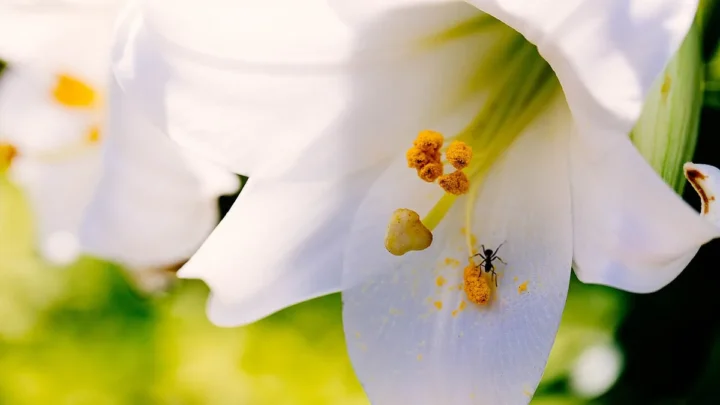
True lilies belong to the Lilium and Hemerocallis genera. Those are your Easter lilies, tiger lilies, daylilies, Stargazer lilies, and so on. They carry a toxin that targets the kidneys.
Even a tiny amount of a true lily, like a single petal or a bit of pollen, can cause acute kidney failure in cats. That's a rapid, severe, and often fatal condition without immediate vet treatment.
Peace lilies are Spathiphyllum, a completely different family. They pose the calcium oxalate risk we just covered, not a kidney risk.
| Feature | True Lilies (Lilium/Hemerocallis) | Peace Lilies (Spathiphyllum) |
|---|---|---|
| Main toxin | Nephrotoxin | Calcium oxalate crystals |
| Target organ | Kidneys | Mouth, throat, stomach |
| Onset | 6-12 hours for kidney signs | Minutes for mouth pain |
| Fatality risk | High, without treatment | Very low, rarely fatal |
| Vet urgency | Absolute emergency | Usually outpatient care |
The confusion is understandable, and it's also why panic is so common. Many owners rush to the emergency room because they heard "lily" and thought "kidney failure."
Per the ASPCA Animal Poison Control guidance, the peace lily is classified as a mild to moderate irritant, while true lilies are classified as severe, life-threatening toxins. Knowing which plant is in your home is the single most important piece of information you can give your vet.
How to Respond: Your Step-by-Step Emergency Plan
So, what do you do right now? Let's walk through it step by step, without the panic.
Step 1: Stay calm and remove the evidence.
Gently take any remaining plant pieces out of your cat's mouth. Check the floor for chewed leaves so you know roughly how much was eaten.
Step 2: Rinse the mouth.
If your cat is calm, use a syringe (without a needle) or a gently poured stream of water to rinse the mouth, tongue, and gums. This helps flush away any remaining crystal fragments. Do not force it if your cat is struggling.
Step 3: Do not induce vomiting.
This is a crucial point. There's nothing in the stomach for the body to absorb, so vomiting only adds to the mouth pain and the risk of dehydration. The crystals have already done their damage on the way in.
Step 4: Call your vet or a poison control hotline.
You don't necessarily need to run to the ER, but you do need professional guidance. Have the plant name, your cat's weight, and the time of ingestion ready.
- ASPCA Animal Poison Control: (888) 426-4435
- Pet Poison Helpline: (855) 764-7661
Step 5: Offer fresh water and bland food.
Keeping your cat hydrated is the priority. Offer small amounts of water. You can also offer a bland diet, like plain boiled chicken or a veterinary recovery diet, if they're willing to eat.
Step 6: Monitor for the next 48 hours.
Watch for increased swelling, breathing trouble, or signs of severe pain. If symptoms fade within a day, that's a good sign. If they persist or worsen, go to the vet.
Most cats recover fully at home. But you can't be too cautious with a swollen airway, so trust your gut.
Mistakes Owners Commonly Make (and What to Do Instead)
Panicking and rushing to the emergency vet
The biggest error is treating this like a true lily situation. That's wasted money, stress, and a long wait in a scary waiting room. If your cat is drooling but breathing fine and acting normally, a phone call to your vet or a poison control line is the right first move.
Inducing vomiting
This makes things worse. The crystals are already embedded in your cat's mouth. Forcing them to vomit just re-exposes the throat to those needles and risks aspiration.
Unless your vet explicitly tells you to, never induce vomiting. The body doesn't need to expel this toxin.
Not watching for dehydration
Cats in mouth pain often refuse food and water for up to 48 hours. That's risky. If your cat is drinking, recovery is typically smooth.
If they're not, you may need hydration support from your vet.
Relying on photos from the internet
Many well-meaning owners try to identify the plant using fuzzy pictures on their phone, then make a judgment call. If you're the slightest bit unsure whether the plant is a peace lily or a true lily, call your vet with a description. The wrong assumption is what causes dangerous delays.
FAQs: Quick Answers to the Most Urgent Questions
Will my cat die from eating a peace lily?
No, it's very unlikely. Peace lilies cause intense mouth irritation and vomiting, but the toxin doesn't reach the bloodstream. Fatalities are extremely rare and typically only occur if a cat stops eating and drinking long enough to become severely dehydrated.
With basic supportive care, the outlook is excellent.
How long do peace lily symptoms last in cats?
Most symptoms peak in the first few hours and settle within 12 to 48 hours. Drooling usually stops within a day. Appetite loss may linger for a day or two as the mouth heals.
If symptoms last beyond 48 hours, a vet check is worth it.
How much peace lily is toxic to a cat?
Even a single bite can cause symptoms, because the crystals are concentrated throughout the plant. The amount doesn't change the mechanism of toxicity. A small bite causes the same type of pain as a big chew.
But the larger the amount eaten, the longer symptoms may last.
Can I keep a peace lily if I have a cat?
You can, but you should treat it like a household chemical. Place it on high shelves, in hanging planters, or in rooms your cat can't access. Cats who jump and explore can find their way to almost anything, so consider whether the risk is worth it for your specific cat.

Similar Posts