Are Poinsettias Poisonous to Cats? What to Know
Botanical Horticulturist & Food Preservation Specialist at Brittle Bloom · Certified Master Gardener & Master Food Preserver · 12+ Years in Plant Propagation & Food Preservation
Are poinsettias poisonous to cats? Yes, technically they are. But before you toss your holiday plant in the trash, here's the part that doesn't get repeated enough.
The toxicity is mild, the symptoms are unpleasant but temporary, and no confirmed case of a cat dying from a poinsettia has ever been documented. It's not the plant you actually need to fear this season.
The whole scare traces back to a 1919 story about a child who allegedly died after eating a poinsettia leaf. That rumor was never verified, but it stuck. As of 2026, the ASPCA Animal Poison Control classifies poinsettias as mildly toxic to cats, with symptoms limited to drooling and stomach upset.
Let's sort out what actually happens when your cat takes a bite, and where this plant falls on the real holiday danger scale.
The Quick Answer: Poisonous Yes, Dangerous Not Really
Yes, poinsettias are poisonous to cats, but only mildly. The milky sap irritates the mouth and stomach. Most cats drool, vomit once, and recover fully.
No fatalities have ever been confirmed. The real holiday dangers are lilies and sago palms.
"Poisonous" is a scary word, but in toxicology it's a spectrum. On one end you have mild irritants that cause discomfort and pass quickly. On the other end you have true toxins that attack organs and can kill.
Poinsettias live at the gentlest end of that spectrum.
The term "toxic" also gets thrown around loosely. For a substance to be a true toxin, it has to absorb into the body and cause systemic damage. Poinsettia sap doesn't do that.
It stays where it touches, irritating the mouth lining and triggering a basic nausea response.
The ASPCA Animal Poison Control lists poinsettias as toxic to cats and dogs, but the clinical note tells the real story. Expect mild irritation to the mouth, occasional vomiting, and nothing more. For most cats, the entire episode lasts under 24 hours and requires zero veterinary intervention.
So keep this in mind. A poinsettia nibble means drool, maybe a throw-up, and a few hours of a grumpy cat. It is not a race to the emergency vet.
That distinction matters, because the plants people confuse with poinsettias are the ones that actually kill.
What's Actually in a Poinsettia? The Sap, the Irritants, and the Science
The poinsettia, Euphorbia pulcherrima, belongs to the Euphorbiaceae family. That family is famous for one thing: milky white latex sap. It's a defense mechanism.
When a leaf breaks or a stem is cut, the plant bleeds this sap to seal the wound and discourage predators. That sap is the entire story.
The sap contains diterpenoid euphorbol esters and saponin-like compounds. Those are the irritants. They cause contact irritation on sensitive tissues like the mouth, tongue, and stomach lining.
But they don't absorb into the bloodstream in any meaningful way. That's why they don't damage organs like the kidneys or liver.
Here's a comparison that helps. Think of the sap like a dash of super-concentrated cayenne pepper. It burns, it stings, it makes the cat spit and drool, but it doesn't poison.
The cat learns quickly that the plant tastes awful, and almost never goes back for a second bite.
That's also why you see so much saliva. The irritation triggers nerve receptors in the mouth, and the cat's natural response is to produce extra drool to flush the irritant away. It looks dramatic, especially on long-haired breeds where drool strings across the chin.
But it's just the body doing its job.
The leaves themselves aren't packed with toxin either. The highest concentration of irritants is in the sap, not the leaf tissue. A dry, wilted leaf on the floor carries very little risk.
The risk is highest when a fresh stem snaps and the sap is still wet.
Poinsettias vs. Lilies vs. Sago Palm: The Real Holiday Danger Scale
The panic over poinsettias does real damage. It distracts you from the plants that genuinely kill cats. So let's put the holiday danger scale in writing.
| Plant | Toxicity Level | What It Does To Cats | Emergency? |
|---|---|---|---|
| Poinsettia | Low | Drooling, mild vomiting, lip-smacking | Rarely |
| True lilies (Lilium, Hemerocallis) | Extremely high | Kidney failure within 24-72 hours | Yes, call the vet immediately |
| Sago palm (Cycas revoluta) | High | Liver failure, seizures, death | Yes, immediately |
| European mistletoe (Viscum album) | Moderate-High | Vomiting, heart rate changes, low blood pressure | Yes, if more than a nibble |
| Holly (Ilex species) | Moderate | Severe vomiting, diarrhea, lethargy | Call the vet to be safe |
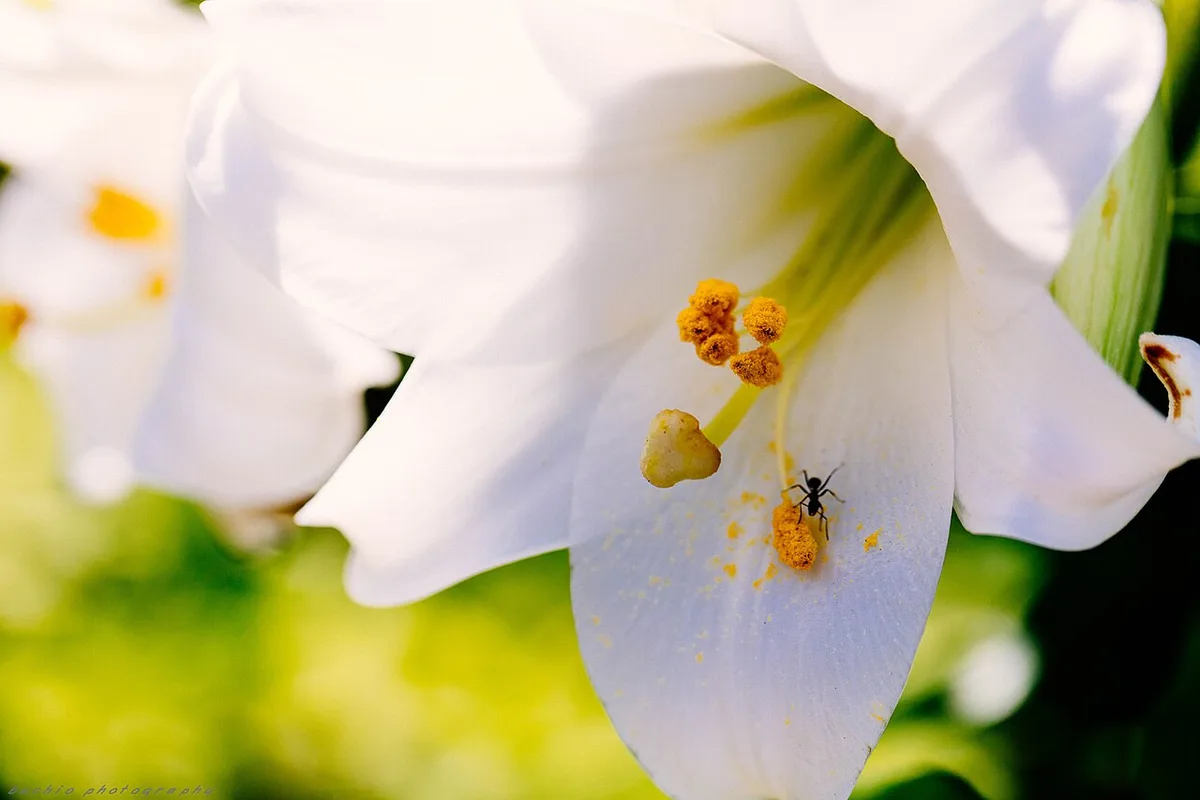
Image source: Wikimedia Commons / Buchio Takano (CC BY-SA)
The table shows the gap clearly. Poinsettias sit at the bottom. True lilies sit at the top, and that gap is enormous.
A cat that brushes against a lily and licks its pollen can go into kidney failure within hours. A cat that chews a poinsettia gets a sore mouth and a brief tummy ache. Those are not the same category of risk.
Lilies contain cytotoxic compounds that directly damage kidney cells. By the time symptoms show up, significant damage may already be done. This is why every minute counts with lilies.
It's also why you should never wait to see if a cat that touched a lily starts acting sick.
If Your Cat Takes a Bite: Symptoms, Timelines, and What to Expect
The average cat doesn't eat a full poinsettia. Cats take a bite, taste the horrible sap, and spit it out. That single bite is enough to trigger symptoms, but it's also enough to keep most cats from ever trying again.
Here's the typical sequence after ingestion:
- Minutes 0-5: The cat gets a mouthful of sap. It recoils, shakes its head, and starts drooling.
- First hour: Lip-smacking, pawing at the mouth, and visible discomfort. The irritation peaks.
- Hours 2-6: Vomiting may occur once, rarely twice. Mild diarrhea is possible but less common.
- Hours 6-24: Symptoms taper off. The cat may eat less but should be drinking water.
- After 24 hours: Full recovery, no lasting effects.
That timeline assumes a typical cat with a typical nibble. Kittens and senior cats are more sensitive to the irritation, and their symptoms can feel more dramatic. But the outcome is still the same: an uncomfortable day, not a medical crisis.
Skin contact is a separate scenario. If the sap gets on a cat's paw, they'll often lick it off, which just transfers the irritant to the mouth. Wiping the paw with a damp cloth can cut that cycle short.
The Emergency Checklist: When to Call the Vet and When to Watch from the Couch
Use this simple if/then guide. It's designed to help you make a calm, quick decision when your cat has a plant encounter.
- If your cat nibbled a leaf or two, and symptoms are limited to drooling or one round of vomiting, staying home and monitoring is appropriate.
- If your cat ate a large amount, meaning several leaves or half the plant, call your vet for guidance.
- If your cat is under six months, over ten years, has kidney disease, or has a known medical condition, place a call no matter how much was eaten.
- If you see blood in vomit, repeated vomiting, lethargy, hiding, or a refusal to eat for more than 24 hours, contact your vet directly.
Beyond those thresholds, the single most helpful thing you can do is call. Vets are used to this exact call during the holidays. They'll ask what the cat was exposed to, how much was eaten, and what symptoms are showing.
In almost every poinsettia case, they'll tell you to keep watching at home.
And never induce vomiting at home. That advice holds for any plant. The techniques and medications for that should only be administered by a professional.
If your regular vet is closed, the ASPCA Animal Poison Control runs a 24/7 hotline. The Pet Poison Helpline does the same. Both know exactly how to triage a poinsettia case.
Practical Prevention: How to Keep the Poinsettia and the Cat Safe
The easiest strategy is distance. Cats are natural climbers, so a mantelpiece or high shelf works better than a coffee table. If your cat loves jumping up high, a hanging planter is the smarter bet.
The plant stays visible, festive, and completely out of reach.
Cover the soil with aluminum foil or decorative pebbles. Cats who dig in potting mix will lose interest fast. The same goes for the water in the saucer.
It can collect bacterial growth and is an extra reason cats sniff around, so empty it after watering.
Deterrent sprays work well. Bitter apple spray on the leaves and pot rim gives most cats a powerful reason to stay away. Citrus peels near the base do similar work.
Cats hate the smell of both.
Give your cat something better to chew. A pot of cat grass placed nearby distracts them from the poinsettia. Our research shows cats who have an acceptable plant to nibble on leave the toxic ones alone.
It satisfies the urge without the risk.
If you're still nervous, modern artificial poinsettias look remarkably real. They're reusable, non-toxic, and cheaper over time than buying a live plant every December. For households with very curious kittens, they're the best zero-risk option.
Frequently Asked Questions
Should I make my cat vomit if it ate a poinsettia?
No, never induce vomiting at home without direct instruction from a vet. The sap is an irritant, and forcing vomiting adds unnecessary stress. Let the cat's natural response do the work.
If symptoms look severe, call your vet or the ASPCA Animal Poison Control hotline.
How many poinsettia leaves are dangerous to a cat?
There is no confirmed dangerous dose. No documented case of feline death from poinsettia ingestion exists. A single bite triggers mild symptoms.
Even several leaves cause only stomach upset. The toxicity level is too low to establish a lethal threshold.
Is the poinsettia water in the saucer toxic?
Saucer water contains very little sap. The roots don't secrete irritants at meaningful levels. The bigger concern is standing water harboring bacteria.
Change it regularly and keep the saucer covered if your cat likes drinking from plant trays.
What's the difference between a poinsettia and a lily for cats?
The difference is life and death. Poinsettias cause mild drooling and vomiting. True lilies cause acute kidney failure within 24 to 72 hours, even from tiny amounts of pollen.
Every second matters with lilies. Poinsettias never require that kind of urgency.
Are poinsettias poisonous to dogs too?
Yes, dogs experience the same mild symptoms as cats. The sap irritates their mouths and stomachs. Most dogs spit it out quickly after the first taste.
If your dog eats a large amount, call your vet for reassurance. Emergency treatment is rarely needed.
The Final Verdict: Enjoy the Holidays Without the Panic
Here's the bottom line: monitor, don't panic. A poinsettia nibble is uncomfortable but harmless. It doesn't attack organs.
It doesn't cause lasting harm. It doesn't become a tragedy.
The real holiday danger is lilies. Knowledge is the best prevention. Knowing which plants threaten your cat and which ones just taste terrible changes everything.
You can keep fresh flowers, decorate freely, and still protect your furry friend.
So place that poinsettia somewhere high, keep an eye on your cat, and enjoy the season. You've got the facts. You've got a plan.
You've got a very drooly but very safe cat. That's the best kind of holiday story.

Similar Posts