Snake Plant Toxic to Cats? Here’s the Truth
Botanical Horticulturist & Food Preservation Specialist at Brittle Bloom · Certified Master Gardener & Master Food Preserver · 12+ Years in Plant Propagation & Food Preservation
If you've ever typed "is snake plant toxic to cats" into a search bar, you've probably seen two very different answers. One site says it's deadly. Another says it's totally fine.
The truth sits somewhere in between, and that's what we'll clear up here.
In our research, the clinical consensus is clear: snake plants contain steroidal saponins, a natural defense chemical that irritates a cat's mouth and gut. As of 2026, the ASPCA still classifies Dracaena trifasciata as toxic to cats, but the practical risk is much lower than most owners fear. Let's walk through what actually happens, what to watch for, and when to call the vet.
Quick Answer: Yes, It's Toxic, But Rarely Serious
Yes, snake plants are toxic to cats. The plant packs steroidal saponins, and when a cat bites into a leaf, that chemical irritates the mouth and stomach. The classic response is drooling, vomiting, and sometimes a little diarrhea.
Death is extremely rare in otherwise healthy cats, and most cases resolve without treatment.
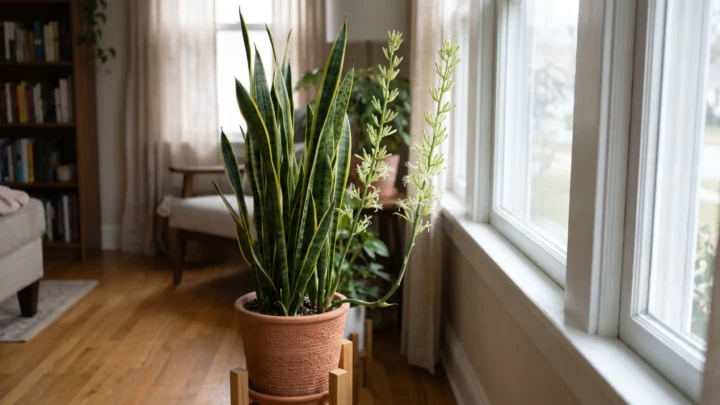
You might see this plant sold as Sansevieria trifasciata, but the accepted botanical name is Dracaena trifasciata. The ASPCA still lists it as toxic to cats, and professional guidance says to call your vet if your cat eats any part of the plant. In practice, the severity depends on how much they ate, how fast they get sick, and whether they have underlying health issues.
Here's the key takeaway: this is a mild-to-moderate toxin, not a kill-on-contact poison. The sooner you recognize the signs, the easier it is to keep your cat comfortable and avoid a needless emergency visit.
Why Snake Plants Hurt Cats: Saponins Explained
Snake plants evolved in dry, rocky parts of West Africa, where being chewed by a curious animal is a real threat. So they developed saponins. These steroidal compounds are a natural anti-feedant, and they act a bit like soap inside the gut.
That's why the symptoms are mostly tummy-related.
When your cat bites into a snake plant, the saponins hit the tissues in the mouth right away. That leads to drooling and pawing at the face. The bitter taste usually makes a cat stop after a few chews.
Honestly, most cats don't eat enough to do serious harm. The taste works in your favor.
Once swallowed, saponins irritate the stomach lining. Your cat's body tries to get rid of the irritant by vomiting. That reflex is actually a good sign in most cases, because it means the gut is rejecting the toxin rather than absorbing it.
The chewing damage is usually mild, and the GI upset runs its course in 24 to 48 hours.
The severity is dose-dependent. A single nibble on one leaf tip is very different from eating half a leaf. But remember that snake plant leaves are stiff and fibrous, so most cats end up spitting out more than they swallow.
The Symptom Timeline: What to Watch For

Image source: Openverse / miteshdudhat
Most cats show signs within an hour or two of chewing the plant. The exact timing depends on how much they ate and their individual sensitivity. Here's a general timeline:
- 0 to 30 minutes: oral irritation. Drooling, lip smacking, pawing at the mouth, and mild gagging.
- 30 minutes to 2 hours: upset stomach. Vomiting usually appears first. Some cats also get diarrhea or just look miserable.
- 12 to 24 hours: lethargy and appetite loss. It's normal for a cat to skip a meal or hide. They feel sluggish because their stomach is sore.
- 24 to 48 hours: recovery. Most cats return to normal eating and behavior within two days.
If you see blood in the vomit or diarrhea, or if symptoms last longer than 48 hours, that's a red flag. The cat may have ingested more than you realized, or there could be another issue. Take a photo of the plant and note the time of ingestion.
It helps your vet make a fast call.
When to Call the Vet vs. When to Monitor at Home
Here's where the decision tree gets real. Not every snake plant incident needs a vet, but some absolutely do. Use these branches as a starting point.
| Monitor at home | Call the vet right away |
|---|---|
| A few chews, normal within an hour | Kittens, seniors, or cats with kidney, heart, or liver disease |
| Mild drooling or one or two vomits | Repeated or forceful vomiting |
| Adult cat, healthy, no symptoms beyond mild tummy upset | Blood, breathing changes, wobbliness, or collapse |
If you're not sure, call. That's the honest truth. A vet can ask two or three questions and tell you whether to come in or stay home.
In our research, most clinics prefer a heads-up call over a walk-in panic visit.
Never induce vomiting unless your vet tells you to. And don't try home remedies like milk or hydrogen peroxide. Saponin irritation is hard on the stomach already, and the wrong response can make things worse.
First Steps If Your Cat Eats a Snake Plant
If you catch your cat in the act, stay calm. You have time to think. Here's the order of operations.
- Get the plant away. Remove any leaf pieces from your cat's mouth, but don't stick your fingers near their throat. Gently pull out what you can see.
- Rinse the mouth. Use a small amount of water to flush the sap from their lips and gums. This cuts down on oral irritation.
- Call your vet or ASPCA Animal Poison Control. Have the cat's weight, the plant name, and the approximate amount eaten. The ASPCA hotline is (888) 426-4435, and they're open all day.
- Offer fresh water. Let your cat drink normally. Hydration helps flush the irritant and replaces fluids lost to vomiting.
- Start a quiet observation log. Note the time, the symptoms, and how many times they vomit. You'll need this if symptoms worsen.
Avoid the urge to overwhelm your cat with food or treats. Their stomach needs a break. If your vet recommends a bland meal later, follow their instructions on portion size and timing.
Safe Houseplant Alternatives for Cat Owners
Not ready to give up on greenery? You don't have to.
Several popular houseplants are genuinely non-toxic to cats, and they'll fill the same visual niche without the worry. The safest swaps for a snake plant are spider plants, Boston ferns, calatheas, and true palms like parlor palms. None of these contain saponins or insoluble calcium oxalate crystals, so a curious chew won't trigger a stomach revolt.
Cat grass is the smartest addition. It's usually wheatgrass or oat grass, and cats actually crave it. Offering a dedicated pot of cat grass satisfies their urge to graze, which redirects them away from your other plants.
Put it near the snake plant spot and most cats will pick the grass every time.
Here's a quick comparison of solid options:
| Plant | Toxicity | Care level |
|---|---|---|
| Spider plant | Non-toxic | Very easy |
| Boston fern | Non-toxic | Moderate |
| Calathea | Non-toxic | Moderate |
| Parlor palm | Non-toxic | Very easy |
| Cat grass | Non-toxic, edible | Very easy |
One note: "non-toxic" means no systemic poisoning, but any plant can cause mild vomiting if eaten in large amounts. That's just normal feline digestion. The difference is that these plants won't cause the chemical irritation or prolonged GI upset that saponins trigger.
Frequently Asked Questions
What happens if my cat eats a snake plant?
Most cats experience drooling, vomiting, and mild diarrhea within two hours of eating snake plant leaves. The bitterness usually limits how much they consume. Healthy adult cats typically recover fully within 24 to 48 hours with no treatment beyond supportive care and fresh water.
How long does snake plant poisoning last in cats?
Symptoms typically last between 12 and 48 hours. The worst of the vomiting usually happens in the first 6 hours. If symptoms persist beyond 48 hours, worsen, or include blood, seek veterinary care immediately.
Kittens and cats with pre-existing conditions may need longer recovery times.
Can a cat die from eating a snake plant?
Fatalities are exceptionally rare in healthy adult cats. The saponin concentration isn't high enough to cause organ failure in typical ingestion amounts. Risk rises in kittens, seniors, or cats with liver or kidney disease.
When in doubt, a quick call to your vet is the safest move.
Is mother-in-law's tongue the same as snake plant?
Yes, mother-in-law's tongue is a common nickname for Dracaena trifasciata, the same plant. Both names refer to the same succulent with tall, pointed leaves. Whether your local nursery labels it one or the other, the toxicity profile is identical.
Is dried snake plant safer than fresh for cats?
No. Dried leaves retain saponins, so dried plant material can still cause stomach upset if ingested. However, dried leaves are less appealing to chew.
Toss any fallen or pruned leaves in the trash promptly, not the compost bin, to avoid tempting your cat.
The Bottom Line: Keep the Plant, Protect the Cat
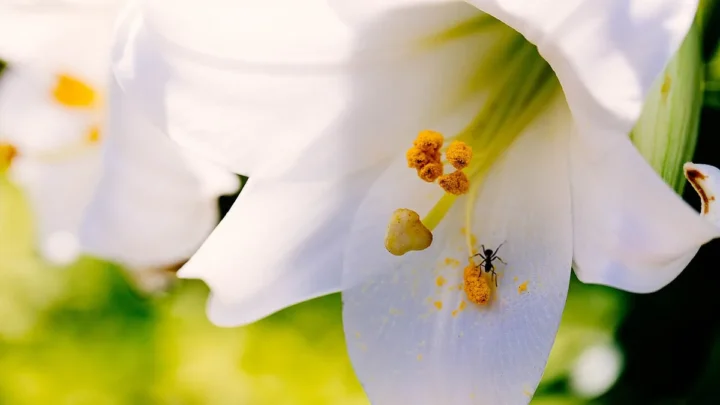
Here's the honest verdict. Snake plants are toxic to cats, but they're nowhere near the danger level of true lilies or sago palms. The typical reaction is a miserable day or two of vomiting, followed by full recovery.
That's not permission to ignore the risk. It's context so you don't panic.
Prevention is the real solution. Place the plant on a high shelf, a hanging planter, or in a room your cat doesn't access. For determined climbers, a plant cabinet or terrarium works beautifully.
Offer cat grass as a safe alternative, and your cat will likely lose interest in the snake plant entirely.
Keep your vet's number and the ASPCA Animal Poison Control line in your phone. Snap a photo of your snake plant while you're at it, because if you ever need to call, having a clear image saves time. The goal isn't to live in a plastic plant world.
It's to understand the risk, manage it simply, and let your cat and your jungle coexist.

Similar Posts