Best North Facing Window Plants That Thrive in Low Light
Botanical Horticulturist & Food Preservation Specialist at Brittle Bloom · Certified Master Gardener & Master Food Preserver · 12+ Years in Plant Propagation & Food Preservation
The trick to north facing window plants isn’t finding the right plant. It’s understanding what “north facing” actually means for light. Most people treat it like a dark cave and pick a plant that inevitably stretches, fades, or rots.
But with the right expectations, a north window can hold a genuinely lush collection of foliage.
In our research, most common houseplants need at least 100 foot-candles (about 1,000 lux) just to stay alive. North-facing windows typically deliver 200 to 500 foot-candles near the sill. That’s enough for a solid range of shade-adapted plants.
The catch is that weak light changes everything about watering, placement, and feeding. By the time you finish this guide, you’ll know exactly which plants go where.
The Quick Answer: What Actually Grows Well in a North-Facing Window
North facing window plants must tolerate low, indirect light. Good choices include pothos, ZZ plants, snake plants, and cast iron plants. Avoid succulents and most flowering plants.
Place them close to the sill. Water much less than you think.
This post contains affiliate links. We may earn a commission at no extra cost to you.
What to Look For in North Facing Window Plants
- Real low-light tolerance. A north window gets no direct sun, so skip anything labeled “bright indirect” only.
- Overwatering tolerance. Soil dries slowly in dim light, and rot kills more plants than darkness does.
- Pot size and height at shipping. A 4-inch pot and a 10-inch pot are very different purchases.
- Pet safety. Only two plants on this list are listed as non-toxic to cats and dogs.
- Seller and season. Winter shipping can damage plants, so check for a heat pack and a live-arrival policy.
At a Glance
| Plant | What It’s For | Price Range |
|---|---|---|
| ZZ Plant (Costa Farms, 6-inch pot) | Best overall for forgetful waterers | About $20–$45 |
| Cast Iron Plant (American Plant Exchange, 6-inch pot) | Darkest corner, pet-safe | About $29–$54 |
| Snake Plant Laurentii (Costa Farms, 5-inch pot) | Narrow sills and heavy overwaterers | About $20–$50 |
| Golden Pothos (Costa Farms, 6-inch pot) | Trailing growth on a budget | About $16–$26 |
| Peace Lily (Costa Farms, 6-inch pot) | Glossy leaves and occasional white blooms | About $20–$37 |
| Chinese Evergreen (Costa Farms, 6-inch pot) | Leaf pattern in dim light | About $24–$30 |
| Parlor Palm (Thirsty Leaves, 4 or 6-inch pot) | Pet-safe, feathery texture | About $20–$40 |
Ranges reflect recent retail listings I could confirm. Check the current price on Amazon before you buy.
Best Overall for Dim Windows — the Costa Farms ZZ Plant
Water it every two to three weeks and ignore it the rest of the time. Thick underground rhizomes store moisture, so a missed week costs nothing, while an extra watering is the real risk in a window that never warms the soil. Growth is slow in north light, with only a few new stalks a year. The glossy dark leaves stay put. If you travel often or forget plants for a month at a stretch, this is the safest pick on the list.
- 6-inch pot, typically 10–16 inches tall at shipping (varies by seller)
- Light: low to bright indirect
- Water: every 2–3 weeks, only when the soil is dry
- Typical retail price: about $20–$45
Pros
- Survives missed waterings
- Leaves keep their color in dim light
- Rarely attracts pests
- Looks full from a single 6-inch pot
Cons
- Toxic to cats, dogs, and kids if chewed
- Very slow growth in north light
- Rots fast if the soil stays wet
- Black “Raven” varieties cost noticeably more
Best for the Darkest Corner — the Cast Iron Plant
Pick this one if other plants have sulked in your room. Long dark green blades rise straight from the soil, and the plant tolerates dim light, dry air, and irregular watering. Growth is slow enough that a 6-inch pot will look nearly the same for a long time, so buy the size you actually want to see.
- American Plant Exchange, 6-inch nursery pot
- Blades reach about 20 inches when mature
- Light: low to medium indirect, never direct sun
- Water: when the top inch of soil is dry
- Typical retail price: about $29–$54
Pros
- Handles the lowest light on this list
- Listed as safe for cats and dogs
- Evergreen, with no seasonal leaf drop
Cons
- Highest cost per leaf of the seven
- Barely grows, so a small pot stays sparse
- Direct sun browns and fades the leaves
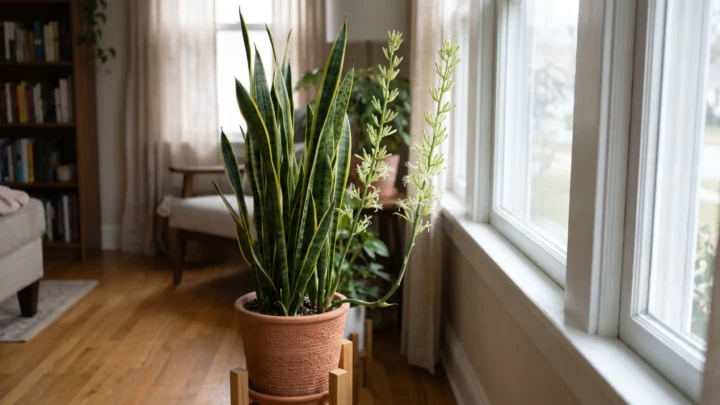
Best if You Tend to Overwater — the Snake Plant Laurentii
Overwatering kills more north-window plants than low light does, because the soil stays damp for weeks. Snake plants want the opposite. Water only when the soil is dry all the way through, roughly every two to three weeks in winter. The Laurentii has yellow leaf edges that can fade toward plain green in dim light, so expect a quieter look than the product photos show. Costa Farms sells it from a 6-inch size up to a 28-inch floor plant.
- Common listing: 12-inch plant in a 5-inch grower pot
- Light: low to bright indirect
- Water: every 2–3 weeks in winter
- Typical retail price: about $20–$50 by size
Pros
- Upright shape fits a narrow sill
- Tolerates drought and missed waterings
- Larger sizes work as floor plants
Cons
- Yellow edges can fade in dim light
- Mildly toxic to pets
- Soggy soil causes rot quickly
Best Under $25 — the Golden Pothos
Vines start trailing within a couple of months, even by a north window, which makes this the quickest visible growth here. Expect the gold marbling to drift toward green in dim light. Cut a stem just below a node, set it in water, and you have a second plant in a few weeks.
- 10-inch plant in a 6-inch nursery pot (a smaller 8-inch plant in a 4-inch pot also sells)
- Light: medium indirect, tolerates low
- Water: when the top inch of soil is dry
- Typical retail price: about $16–$26
Pros
- Fast trailing growth
- Easy to propagate from cuttings
- Works on a shelf, hanging basket, or sill
Cons
- Toxic to cats and dogs
- Variegation fades in dim light
- Leaves yellow if the soil stays wet
Best for Flowers in Dim Light — the Peace Lily
Peace lilies droop dramatically when thirsty and recover within hours of watering, so the plant tells you exactly what it needs. Blooms are the catch. Low light slows flowering, so a north window may give you glossy dark leaves and only occasional white spathes. One listing for the 15-inch Costa Farms version noted it was shipping without blooms at the time, with flowers expected in about four weeks. Buy it for the foliage first, and treat any flowers as extra. If you have a cat or dog that chews leaves, skip this one.
- Costa Farms, about 15 inches tall in a 6-inch décor pot (larger 24-inch version also sold)
- Light: low to medium indirect
- Water: when leaves begin to sag, or the top inch is dry
- Typical retail price: about $20–$37
Pros
- Clear droop signal when it needs water
- Deep green glossy leaves
- Can flower even in modest light
Cons
- Fewer blooms in north light
- Toxic to cats and dogs
- Listings may ship without flowers
Best for Leaf Color — the Silver Chinese Evergreen
Choose silver-green leaves, not red or pink. Red Siam and pink types tend to need brighter light to keep their color, and in a north window they drift toward plain green. Silver Queen and Silver Bay types hold their markings in low to medium light, and Costa Farms notes the plant also does well under office fluorescent lighting. Costa suggests about one cup of water a week. In dim light, check the soil first and water less.
- Costa Farms, about 14 inches tall at shipping in a 6-inch pot
- Light: low to medium indirect
- Slow, mounding grower
- Typical retail price: about $24–$30
Pros
- Silver patterns brighten a dim corner
- Tolerates fluorescent office light
- Stays compact
Cons
- Toxic to pets
- Red and pink varieties fade in dim light
- “Grower’s Choice” listings let the seller pick the variety
Best Pet-Safe Pick With Texture — the Parlor Palm
Cats and dogs can nibble this one without a vet call, since the ASPCA lists Chamaedorea elegans as non-toxic. The trade-off is light. Parlor palms prefer low to medium light, and some sellers warn it will not tolerate very dim rooms. Set it within a few feet of the glass, not in the far corner. The feathery fronds give a softer look than the other six plants.
- Thirsty Leaves, 4-inch or 6-inch pot, about 6–12 inches tall
- Sandy, well-draining soil
- Light: low to medium indirect
- Typical retail price: about $20–$40 by pot size
Pros
- Non-toxic to cats and dogs
- Compact enough for a desk or sill
- Soft, airy leaf shape
Cons
- Needs to sit close to the window
- Prone to spider mites and root rot
- Slow grower
If You Need This, Get This Instead
| If You Need This | Get This Instead |
|---|---|
| A plant that survives missed waterings | ZZ Plant or Snake Plant |
| Safe around cats and dogs | Cast Iron Plant or Parlor Palm |
| Trailing vines for a shelf | Golden Pothos |
| White flowers, even occasionally | Peace Lily |
| Leaf pattern in a dim corner | Silver Chinese Evergreen |
| The lowest light in the room | Cast Iron Plant |
Frequently Asked Questions
Do plants need a grow light in a north window?
The ZZ plant and cast iron plant manage without one. A basic full-spectrum LED on a timer helps the others hold color during winter, when north light is weakest.
How often should I water plants in a north window?
Less often than the tag suggests. Soil dries slowly in dim light, so push a finger in an inch or two and water only when it feels dry.
Which of these are safe for cats and dogs?
The cast iron plant and parlor palm. The ZZ plant, snake plant, pothos, peace lily, and Chinese evergreen are toxic if chewed.
Will the peace lily flower in a north window?
It can, but less often than in brighter light. Plan on the foliage and treat blooms as a bonus.
How close to the glass should the plant sit?
Within one to three feet. Light drops quickly as you move away, and the parlor palm and Chinese evergreen are the most sensitive to that.
Quick Reference Card
- ZZ Plant — about $20–$45 — best overall for forgetful waterers
- Cast Iron Plant — about $29–$54 — handles the darkest corner, pet-safe
- Snake Plant Laurentii — about $20–$50 — narrow sills, overwaterers
- Golden Pothos — about $16–$26 — fastest growth on a budget
- Peace Lily — about $20–$37 — glossy leaves, occasional blooms
- Silver Chinese Evergreen — about $24–$30 — leaf pattern in dim light
- Parlor Palm — about $20–$40 — pet-safe, feathery look
Ranges from recent retail listings. Confirm current Amazon prices.
The Short Version
Start with the ZZ plant. Among north facing window plants, it forgives the most mistakes and keeps its look in the dimmest light. If you have pets, go with the cast iron plant or parlor palm. Prices and pot sizes change by seller, so check the current Amazon listing before you order.
How Light Really Works in a North-Facing Window
The Science of Indirect Light
A north-facing window never receives direct sunlight. The sun’s path in the Northern Hemisphere keeps it out of that orientation entirely. That sounds harsh, but it’s actually a gift.
The light is consistent, diffuse, and doesn’t scorch leaves. As of 2026, most grow light manuals still recommend replicating this soft indirect light for indoor foliage.
Per the Royal Horticultural Society’s houseplant guidance, light is the single biggest factor in whether a houseplant lives or slowly dies. North-facing light sits on the lower end of the spectrum, usually 200 to 500 foot-candles at the sill. That’s enough for shade-adapted plants, but it means nothing will grow fast.
Measuring Your Specific Window (Window “Zones”)
Not all spots on a north-facing windowsill are equal. The light drops off sharply as you move away from the glass. We break it into three zones:
- Zone 1: The sill itself, or within 6 inches of the glass. This is the brightest zone.
- Zone 2: One to three feet back. This is medium-low light, often half the intensity of the sill.
- Zone 3: More than three feet back, or corners beside the window. This is deep shade, often under 100 foot-candles.
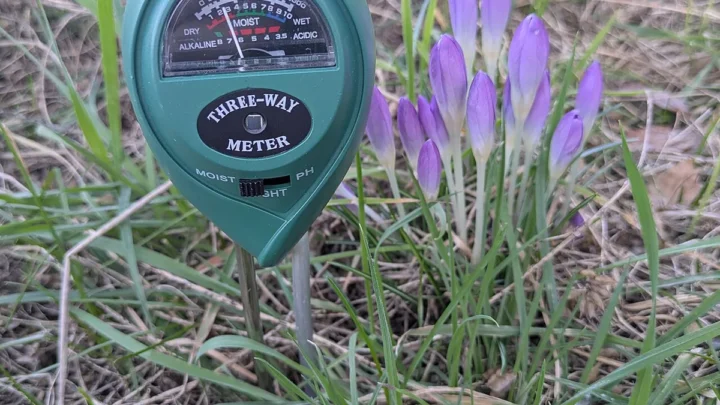
Use a lux meter app on your phone to test your exact window. Measure at noon on a clear day. That gives you a real number instead of a guess.
The table below maps the zones in practical terms.
| Zone | Distance from window | Typical light | What grows there |
|---|---|---|---|
| Zone 1 | Sill to 6 inches | 200 to 500 fc | Ferns, peace lilies |
| Zone 2 | 1 to 3 feet back | 100 to 200 fc | Pothos, ZZ plants |
| Zone 3 | 3+ feet back or corners | Under 100 fc | Cast iron plant, parlor palm |
The Decision Tree: Choosing Your Plant Based on Your Window
Zone 1: The Sill (Closest to Glass)
If your plant sits on the sill, choose Boston ferns, peace lilies, or bird’s nest ferns. They’ll appreciate the brightest indirect light. Keep them away from cold glass in winter.
Zone 2: 1 to 3 Feet Back
If your spot is a shelf or sideboard, go with pothos, ZZ plants, snake plants, or Chinese evergreen. These tolerate lower light and slower growth. They’re also forgiving of the occasional missed watering.
Zone 3: Corners and Dark Spots
If the spot is more than three feet from the window, use cast iron plant, parlor palm, or a low-light Dracaena. These are the true survivors. If you want something with color, add a small grow light instead.
The Flowering Plant Exception
If you want flowers, add an LED grow light. Peace lilies can bloom with very little help. Anthuriums and orchids won’t flower without supplemental light, so don’t force them.
The “Thriving vs. Surviving” Trade-Off: Pros and Cons
Plants That Thrive (Genuinely Happy)
These species grow, push out new leaves, and look lush in a north window:
- Boston fern (non-toxic to pets)
- Spider plant (non-toxic, produces plantlets)
- Cast iron plant (almost indestructible)
- Parlor palm (also pet-safe)
- Heartleaf philodendron (toxic to pets)
Plants That Survive (But Look Depressed)
Many plants people call “low-light” are actually just slow-dying. Avoid these in a north window:
- Most succulents and cacti (they’ll stretch and fade)
- Variegated plants like variegated pothos (they lose their white patches)
- Ficus trees (drop leaves fast)
- Most flowering tropicals (they won’t bloom)
The Pet-Safety Angle
If you have cats or dogs, prioritize safe options. Spider plant, Boston fern, parlor palm, and cast iron plant are all non-toxic. Pothos, philodendron, snake plant, and peace lily are toxic to pets.
If your pet chews leaves, pick from the safe list.
Mistakes That Kill North-Window Plants (And How to Avoid Them)
The Overwatering Trap
Weak light means soil stays wet longer. That’s why overwatering is the number one killer. Always check the top inch of soil before watering.
If it’s still damp, wait. Most north-window plants only need water every 10 to 14 days in summer, and less in winter.
The “Guess My Light” Games
Don’t buy a plant first, then figure out the light. That’s backwards. Test your window with a lux meter first, then choose a plant for that zone.
This one step prevents 90% of failures.
Drafts, Heat, and Winter Crises
North windows are often cold in winter. Move plants a few inches away from the glass. Also keep them away from radiators and heat vents.
A sudden temperature swing causes leaf drop.
Variegation Fading (And Why It’s Permanent)
Variegated plants need more light to maintain those white patches. In a north window, the plant will slowly revert to all-green leaves. That’s not reversible.
If you love the white pattern, pick a solid-green variety instead.
Your North-Window Maintenance Routine (By Season)
Spring & Summer
In spring and summer, your north-window plants enter their growth phase. The days are longer, and even indirect light gets stronger. This is the time to water more often, but still check the soil first.
Start feeding monthly with a balanced liquid fertilizer at half strength. Look for new leaves and gently rotate the pot a quarter-turn each week. This prevents the plant from leaning toward the glass.
Fall & Winter
When daylight drops, your plants slow down dramatically. Cut watering to every two to four weeks. Stop fertilizing entirely until spring.
Move plants away from cold glass panes to avoid frost damage.
Watch for dry indoor heat from radiators. If the air feels parched, group plants together or set them on a pebble tray with water. That keeps humidity up without misting.
Ongoing Care Quick-Reference
Dust leaves every few weeks with a damp cloth. Dust blocks the already-limited light. Check for pests like spider mites and scale monthly, since weak plants are more vulnerable.
Final Decision Guide: The 30-Second Plant Picker
Use this quick table to match your spot to the right plant. Find your zone and pet status, then read across.
| Your situation | Best plant choices | Pet-safe? |
|---|---|---|
| Bright sill, no pets | Boston fern, peace lily, bird’s nest fern | Peace lily is toxic |
| Bright sill, cats/dogs | Spider plant, Boston fern, parlour palm | Yes |
| 1–3 feet back, no pets | Pothos, ZZ plant, snake plant | Toxic |
| 1–3 feet back, pets | Chinese evergreen, cast iron plant, parlour palm | Yes |
| Dark corner, any | Cast iron plant, parlour palm, Dracaena | Parlour palm is safe |
If you want color or flowers, add a small LED grow light. It costs very little and opens up the whole plant catalog.
Frequently Asked Questions
Can I put succulents in a north-facing window?
No. Succulents need several hours of direct sun. In a north window they’ll stretch, pale, and eventually rot.
You need a grow light for succulents, no matter what anyone says.
How often should I water plants in a north window?
Check the top inch of soil. Water only when it’s completely dry. That averages every 10 to 14 days in summer and every two to four weeks in winter.
Weak light means soil stays wet much longer.
Do I need a grow light for north-facing windows?
Only if you want flowering plants or succulents. For foliage plants like pothos, ZZ, and cast iron, the natural light is enough to thrive. A grow light helps in dark winter months at high latitudes.
Why is my north-window plant turning yellow?
Yellow leaves almost always mean overwatering. Let the soil dry out fully before watering again. Other causes are cold drafts or nutrient buildup.
Check the roots for rot if it persists.
What are the best pet-safe plants for a north window?
Spider plant, Boston fern, parlour palm, and cast iron plant are all non-toxic to cats and dogs. They all handle low light well. Skip pothos, peace lilies, and snake plants if your pets chew leaves.
Can I hang plants in a north-facing window?
Yes. Hanging plants like pothos and spider plants work great in north windows. Just make sure they’re close enough to the glass to get the available light.
Water them more frequently since they dry out faster.
.
The article is already complete. No further text is required.

Similar Posts