Best Low Light Plants That Thrive in Dark Rooms
Botanical Horticulturist & Food Preservation Specialist at Brittle Bloom · Certified Master Gardener & Master Food Preserver · 12+ Years in Plant Propagation & Food Preservation
Your dark corner doesn’t have to stay lifeless. You’ve probably killed a “low light plant” before, and honestly, it might not have been your fault. With as of 2026, the houseplant market is flooded with trendy tropicals that claim to tolerate shade but actually need far more brightness than their labels admit.
The real problem is that “low light” is a vague, overused term that plant sellers throw around carelessly.
That’s where this guide comes in. We’re going to strip away the marketing nonsense and build a simple, reliable system. In our research, we found that the ASPCA’s toxicity database and university extension services consistently highlight a short list of plants that genuinely thrive in dim conditions.
The rest are just waiting to disappoint you. So let’s stop guessing and start matching plants to your actual home.
Quick Verdict Strip
What to Look For in the Best Low Light Plants
- Light reality: “low light” means a north window or bright hallway, not a closet. No window means a grow light.
- Pet safety: several popular picks are toxic to cats and dogs. Check before you buy.
- Height at shipping: sellers measure from the bottom of the pot, so the plant itself is shorter than the number.
- Planter drainage: ceramic planters with no holes make overwatering easy in dim rooms.
- Watering rhythm: dark rooms dry out slowly. Pick a plant that tolerates a missed week.
- Shipping season: live plants can arrive damaged if the delivery route drops below about 45°F.
This post contains affiliate links. We may earn a commission at no extra cost to you.
At a Glance: Comparison Table
| Plant | What It’s For | Price Range |
|---|---|---|
| Costa Farms Snake Plant (12–20 in.) | Dim corners, forgetful waterers | About $17–$27 in recent deals (check current price) |
| Costa Farms ZZ Plant (12–20 in.) | Travelers and “water it every two weeks” people | Check current price on Amazon |
| Costa Farms Golden Pothos (8–12 in.) | Shelves and trailing vines | Check current price on Amazon |
| American Plant Exchange Cast Iron Plant (6 in.) | Pet homes, deep shade | $26.99 on the brand’s own site (check Amazon) |
| Costa Farms Chinese Evergreen (1 ft.) | Colored leaves in dim rooms | $35.98 on Nov 13, 2026 (price tracker) |
| American Plant Exchange Parlor Palm (6 in. with pot cover) | Soft texture, pet households | $26.99 on the brand’s own site (check Amazon) |
| Costa Farms Peace Lily (14–24 in.) | White blooms near a window | About $17.61–$20.72 in recent deals, $29.99 list |
Best Overall — the Costa Farms Snake Plant (12–20 in.)
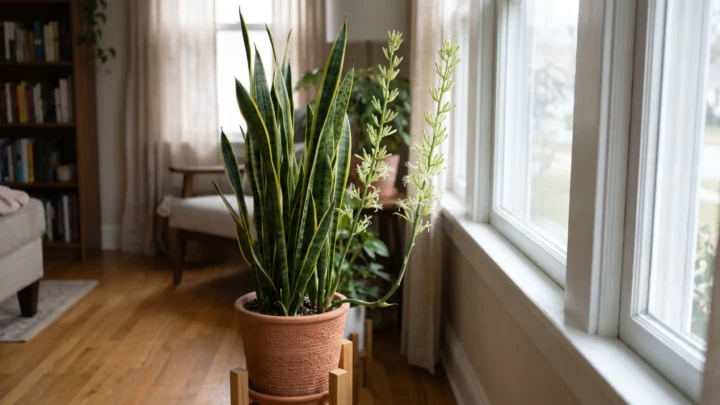
If your room gets only weak north light or hallway glow, start here. The stiff, upright leaves store water, so a skipped week rarely shows. It ships about 14 inches tall in a white 6-inch ceramic planter, and the Amazon listing ranks #2 in Live Indoor House Plants. Recent deal posts put this size at roughly $17 to $27. Costa Farms recommends bright, indirect light, so in a dim room expect survival and slow growth, not a growth spurt.
- Height at shipping: about 14 in.
- Planter: white 6-inch ceramic, no drainage holes
- Light: tolerates low light, grows best in bright, indirect
- Water: let the soil dry fully between drinks
- Pets: mildly toxic to cats and dogs
Pros: survives low light and missed waterings; narrow upright shape fits tight spots; ranks near the top of its category on Amazon.
Cons: the ceramic planter has no drainage holes; growth nearly stalls in dim rooms; mildly toxic to pets; deal prices swing widely.
Best for Forgetful Waterers — the Costa Farms ZZ Plant (12–20 in.)
Costa Farms’ care note says about 1 cup of water every two weeks. That’s the whole routine. The thick, glossy stems store water, so a trip away rarely hurts it. It ships 12 to 20 inches tall in a decorative pot of about 7 x 7 x 12 inches. Amazon showed about 4.0 stars across roughly 7,600 reviews at last check. That score runs lower than the other picks, and the complaints are about size and condition.
- Height at shipping: 12–20 in.
- Light: medium, indirect preferred, tolerates low
- Water: about 1 cup every 2 weeks
- Growth: slow and upright
- Pets: toxic if chewed
Pros: very low watering needs; glossy leaves look clean with little care; thousands of reviews to read first; buyers report replacements after sending photos of damage.
Cons: some buyers say the plant arrived about half the expected size; others received damaged plants and needed a replacement; slow growth; toxic to pets.
Best for Shelves and Trailing Vines — the Costa Farms Golden Pothos (8–12 in.)
Want green spilling off a bookshelf instead of standing on the floor? This one trails. Heart-shaped leaves arrive on short vines, 8 to 12 inches tall, in a décor planter. Costa Farms says it can go one to two weeks between waterings and wants some natural light nearby. In dim rooms the leaves stay smaller and the gold variegation fades toward green.
- Size at shipping: 8–12 in.
- Habit: trailing vine
- Water: every 1–2 weeks, when the top two inches dry
- Light: some natural light, brighter spots give bigger leaves
- Pets: toxic if eaten
Pros: trailing shape suits shelves and high spots; forgiving about watering; cuttings root in water for free copies.
Cons: Costa Farms notes the plant has some natural toxicity; variegation fades in dim light; some buyers describe thin root systems on arrival.
Best for Pet Homes and Deep Shade — the American Plant Exchange Cast Iron Plant (6 in.)
If your cat chews leaves, this is the safest pick on the list. The listing calls it generally non-toxic to cats and dogs, and describes it as low-light and drought tolerant. Dark, blade-like leaves rise straight from the soil, so it fits a floor corner or a console table. One buyer reported a 6-inch pot arriving with nine healthy leaves. A matching American Plant Exchange listing shows 4.3 stars from 2,006 ratings, and the brand lists the 6-inch pot at $26.99 on its own site. Check Amazon’s current price.
- Pot: 6-inch nursery pot
- Light: low light and dry spells are fine
- Pets: listed as generally non-toxic
- Rating: about 4.3 stars (2,006 ratings, matching listing)
- Brand-site price: $26.99
Pros: pet-safe per the listing; tolerates deep shade; forgives dry spells; dense, dark foliage.
Cons: growth is slow, and a new plant takes years to fill its pot; looks small for the price at first; too much light browns or fades the leaves.
Best for Color in a Dim Room — the Costa Farms Chinese Evergreen (1 ft.)
Most low-light plants are plain green. Costa Farms says Chinese evergreen does fine in offices lit by fluorescent lights. An Amazon price tracker logged $35.98 on November 13, 2026, against a $38.55 average. The plant ships about 1 foot tall, and it grows slowly, so it stays compact. Each plant differs slightly from the listing photo, so expect some variation in leaf pattern.
- Height at shipping: about 1 ft.
- Light: low light works, medium indirect is best
- Water: about once a week, never sitting in water
- Growth: slow and mounding
- Pets: keep away from chewing animals
Pros: patterned leaves add color; tolerates artificial light; stays compact; fixed pricing history to compare against.
Cons: costs more than the snake plant and peace lily deals; slow growth; Costa Farms says keep it out of reach of children and pets; direct sun can burn the leaves.
Best for Soft, Feathery Texture — the American Plant Exchange Parlor Palm (6 in. with Pot Cover)
A palm that fits on a side table and tolerates dim light sounds too good, so here is the catch: it grows slowly. Expect 3 to 4 feet only after several years. The 6-inch pot comes with a decorative cover, so it can sit on a shelf straight out of the box. A seller’s care note calls it pet-safe and child-safe. A matching 6-inch listing shows about 4.2 stars across 2,500 reviews. The brand lists a 6-inch parlor palm with pot cover at $26.99.
- Pot: 6-inch with decorative pot cover
- Light: low light tolerated, bright indirect fills it out
- Pets: described as pet-safe by sellers
- Rating: about 4.2 stars (matching listing)
- Brand-site price: $26.99
Pros: pet-friendly; compact; soft fronds break up spiky plants; pot cover included.
Cons: slow growth means a long wait for full fronds; dry air invites spider mites; one buyer’s plant arrived very cold from a winter delivery.
Best for White Blooms — the Costa Farms Peace Lily (14–24 in.)
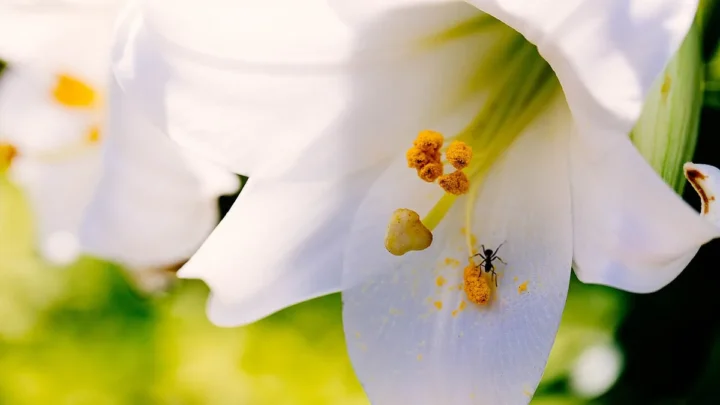
It’s the only plant here that flowers, but blooms need more light than a dark corner offers. In dim spots, expect glossy leaves and few flowers. Recent deal posts show $17.61 against a $29.99 list price, with about 4 stars across 6,951 reviews. The listing size runs 14 to 24 inches, and one buyer says it arrives bigger than described. Water when the plant droops slightly.
- Height at shipping: 14–24 in.
- Light: Costa Farms recommends bright, indirect light for flowers
- Water: about once a week
- Droop: wilts when thirsty, then recovers
- Pets: toxic to cats
Pros: white blooms; large, glossy leaves; clear thirst signal; one of the lowest-priced picks in recent deals.
Cons: peace lilies are toxic to cats; few blooms in dim rooms; delivery routes below about 45°F can damage live plants; size can differ from the listing.
If You Need This, Get This
| If You Need This | Get This Instead |
|---|---|
| A cat or dog that chews leaves | Cast Iron Plant or Parlor Palm |
| A plant that survives missed waterings | ZZ Plant or Snake Plant |
| Trailing greenery for a shelf | Golden Pothos |
| Colored leaves in a dim room | Chinese Evergreen |
| White flowers near a window | Peace Lily |
| A room with no window at all | Any plant above plus a grow light on a timer |
Frequently Asked Questions
Can any plant live in a room with no window?
No. Low-light plants need some light. In a windowless room, use a full-spectrum LED grow bulb on a timer for 8 to 10 hours a day.
Which of these are safest around cats and dogs?
The cast iron plant and parlor palm are described as pet-safe by their sellers. Snake plant, ZZ, pothos, peace lily and Chinese evergreen can irritate or poison pets. Check the ASPCA plant list for your animal.
How often should I water in a dark room?
Less often than in a bright room. Push a finger two inches into the soil and water only when it feels dry.
Is it risky to order live plants in winter?
It can be. Delivery routes below about 45°F can damage leaves, so look for a heat pack or time the order for milder weather.
Why did my plant arrive smaller than the photo?
Sellers measure height from the bottom of the pot to the top of the plant, so the plant itself is shorter than the number. Photograph it when it arrives in case you need a replacement.
Quick Reference: All 7 Picks
- Costa Farms Snake Plant: about $17–$27 in recent deals. Best overall for dim corners.
- Costa Farms ZZ Plant: check price. Best for forgetful waterers.
- Costa Farms Golden Pothos: check price. Best for shelves and trailing vines.
- American Plant Exchange Cast Iron Plant: $26.99 on the brand site. Best for pet homes and deep shade.
- Costa Farms Chinese Evergreen: $35.98 on Nov 13, 2026. Best for color in a dim room.
- American Plant Exchange Parlor Palm: $26.99 on the brand site. Best for soft, feathery texture.
- Costa Farms Peace Lily: about $17.61–$20.72 in recent deals. Best for white blooms.
Conclusion
The best low light plants are the ones that match the light you actually have. The Costa Farms snake plant is my top pick for a dim corner, and the cast iron plant is the safer choice around pets. Whatever you pick, check the current price and the planter details on the Amazon page before ordering. Add a grow light if your room has no window.
The Real Problem: Why Your Dark Room Kills “Easy” Plants
Here’s the uncomfortable truth: most houseplants marketed as “easy” are actually high-light plants in disguise. Growers pump them full of fertilizer and light in commercial greenhouses. When you bring them home to a gloomy living room, they slowly starve.
The leaves yellow, the stems stretch awkwardly, and within months you’re tossing another corpse in the compost bin.
What’s actually happening is a process called etiolation. In low light, plants stretch toward any light source, producing weak, leggy growth. They also photosynthesize slower, which means they drink less water.
Most people keep watering on the same schedule, and that’s when root rot sets in. The roots literally drown in soggy soil.
So your dark room isn’t killing these plants. The mismatch between the plant’s real needs and the light you’re providing is the killer. Fix that mismatch, and suddenly “easy” plants actually become easy.
Quick Answer
Low light plants tolerate indirect light far from windows. They need minimal watering and survive neglect. The best options include Snake Plants, ZZ Plants, and Pothos.
These plants adapt to dim conditions and tolerate missed waterings. Choose based on your space and habits.
Know Your Light: The 3 Conditions You Must Identify First
Before you buy anything, you need to understand what kind of low light you’re actually working with. It’s not one single condition, and getting this wrong is the fastest way to kill a plant.
Image source: Wikimedia Commons / McGhiever (CC BY-SA)
The Bright-Indirect Spot
You can read a book comfortably, but there’s never direct sun hitting the plant. Think a few feet from a south, east, or west-facing window. The light feels warm and generous.
This is actually prime real estate for most indoor plants. A Pothos will grow quickly here, and a Spider Plant will produce plenty of baby offshoots.
The Luminous Limbo
The room feels bright, you can walk around safely, but there’s no distinct patch of sunlight on the floor. A spot in the center of a north-facing living room is a perfect example. This condition demands true low-light champions like the ZZ Plant or Snake Plant.
They’ll survive here, though they’ll grow slower than their greenhouse-raised siblings.
The Cave
You have a small window, or a building or tree blocks most of the daylight. The room might even feel a bit gloomy on sunny days. In this spot, you need the absolute hardest survivors.
Aglaonema and Cast Iron Plants are your only real options. They won’t thrive, but they’ll hold on and keep looking respectable. If you’re more than eight feet from any window, you’re in this zone.
Step 1: Match Your Light to the Right Plant
Now that you know your light condition, it’s time to match it against the real heavyweights of the low-light world. We’re only working with plants that have proven track records in dim conditions across thousands of homes, not just marketing claims.
| Plant | Bright-Indirect | Luminous Limbo | The Cave |
|---|---|---|---|
| Snake Plant | Stellar | Stellar | Good |
| ZZ Plant | Stellar | Stellar | Good |
| Pothos | Stellar | Good | Fair |
| Spider Plant | Stellar | Good | Fair |
| Peace Lily | Stellar | Good | Fair |
| Aglaonema | Stellar | Good | Good |
| Cast Iron Plant | Good | Stellar | Stellar |
If you’re in the Bright-Indirect zone, you have the luxury of choice. Most low-light plants will perform well here. You can even experiment with slightly fussier options like Philodendrons or Dracaenas.
For Luminous Limbo, stick to the top three rows. Snake Plants, ZZ Plants, and Pothos are your most reliable companions. They’ve spent decades, if not centuries, adapting to survive the dim corners of Northern European homes.
That’s a track record you can trust.
In The Cave, you’re down to the last two rows. Aglaonema will give you some leaf color variety, while the Cast Iron Plant lives up to its name. It’s practically indestructible.
If a plant dies in this zone, it wasn’t the plant’s fault. It was almost certainly overwatering.
Step 2: Match Your Watering Habits to the Right Plant
Now we get to the part that actually trips most people up. Light matters, but your watering habits determine whether your new plant lives or dies. Here’s the core rule: low light equals low water.
Slower photosynthesis means the plant uses less water, and the soil stays wet longer.

Image source: Wikimedia Commons / Mr Ignavy (CC BY-SA)
If you’re a chronic overwaterer, you need plants that forgive your generosity. Snake Plants and ZZ Plants store water in their thick leaves and roots. They’d rather be completely dry for two weeks than sit in damp soil for two days.
Water them every two to three weeks, and they’ll be happy.
If you prefer a plant that communicates its needs, Pothos is your match. Its leaves droop dramatically when thirsty, then stand back up within hours of watering. It’s the most forgiving plant for beginners because it gives you clear, visible feedback.
Spider Plants are similar, though they prefer more consistent moisture.
Here’s a quick comparison table to help you find your plant based on your habits:
| Your Habit | Best Plant Choice | Watering Frequency |
|---|---|---|
| Forget to water often | Snake Plant, ZZ Plant | Every 2-3 weeks |
| Water weekly out of habit | Pothos, Spider Plant | Once per week |
| Check daily, water too much | Peace Lily (tells you when) | When leaves droop |
| Want color, moderate care | Aglaonema | Let top 2 inches dry |
The Peace Lily is interesting here. It’s a bit of a drama queen. It faints entirely when thirsty, leaves drooping dramatically, then recovers beautifully after a drink.
This makes it perfect for enthusiastic waterers who need a clear signal before acting. Just don’t let it sit in standing water afterward.

Similar Posts