Can Tebuconazole Affect Spider Plant Growth?
Botanical Horticulturist & Food Preservation Specialist at Brittle Bloom · Certified Master Gardener & Master Food Preserver · 12+ Years in Plant Propagation & Food Preservation
Spraying a fungicide on your spider plant feels like a small task. But tebuconazole isn't a neutral substance. It can change how your plant grows for weeks after you apply it.
This systemic fungicide stops fungal disease by blocking an enzyme that fungi need to survive. The problem? That same mechanism interferes with gibberellins, the plant hormones responsible for stem elongation and new leaf growth.
The result is that tebuconazole can slow down your spider plant's growth, sometimes dramatically, depending on how you use it.
| Factor | Impact on Spider Plant |
|---|---|
| Fungicide type | Triazole (DMI) class |
| Primary effect | Stunts new leaf growth |
| Onset of symptoms | 3-7 days after application |
| Recovery time | 2-6 weeks |
| Vulnerability | Moderate sensitivity |
In our research, we found that spider plants are moderately sensitive to tebuconazole. The growth-regulating effects are strongest when the chemical is applied to the soil. Foliar sprays cause less dramatic stunting, but can still affect leaf development.
How Tebuconazole Works and Why It Stunts Growth
Tebuconazole is a demethylation inhibitor, often called a DMI fungicide. It prevents fungi from building stable cell membranes by blocking a specific enzyme. This same pathway exists in plants, just in a different form.
When the chemical enters your spider plant, it also inhibits ent-kaurene oxidase, an enzyme needed for gibberellin production.
Gibberellins are growth hormones. Lower levels mean shorter stems, smaller leaves, and slower root development. Commercial growers use this effect intentionally with other triazoles like paclobutrazol to keep ornamental plants compact.
Tebuconazole does the same thing, just less predictably.
| Pathway | Effect on Fungus | Effect on Plant |
|---|---|---|
| Ergosterol synthesis | Cell membrane collapse | None |
| Gibberellin synthesis | None | Reduced growth |
The way you apply the chemical changes how much reaches the plant's growing tissues. Foliar sprays absorb through leaves and spread upward. A soil drench sends the chemical directly to the roots, which then transport it throughout the entire plant for weeks.
This continuous exposure is what makes soil drenches riskier for spider plants.
Decision Factors: When Damage Happens vs. When It's Fine
Not every spider plant reacts to tebuconazole the same way. Several variables determine whether you see stunted growth or a plant that barely notices the treatment.
Application method matters most. A foliar spray delivers a limited dose that stays mostly in the leaves. A soil drench keeps feeding the chemical to the roots for up to two months. If you have fungal spots on leaves, spray the foliage.
If you're treating root rot, use a drench at a reduced rate.
Dosage determines severity. Most garden formulations contain 250 g/L of tebuconazole. The label rate for ornamentals is typically 0.5 to 1.0 mL per liter of water. Spider plants sit at the sensitive end of that range.
Starting at the lower rate and increasing only if needed is the safer path.
Plant health affects recovery. A spider plant in active growth handles chemical stress better than one that's already struggling. If your plant is dropping leaves or showing yellowing, fix those issues before applying any fungicide.
Environmental conditions amplify damage. Heat, intense sunlight, and low humidity all increase the risk of leaf burn and stunting. Apply tebuconazole in the early morning or late afternoon. Skip treatment entirely if temperatures are above 85°F.
| Situation | Risk Level | Approach |
|---|---|---|
| Active leaf spots, healthy plant | Low | Foliar spray at low rate |
| Root rot, potted spider plant | Moderate | Soil drench at reduced rate |
| Already stressed plant | High | Delay treatment, fix care first |
| Untested variety or condition | High | Use alternative product |
Here's a simple decision tree to guide you.
- If you see fungal spots on leaves: spray the foliage at the low label rate. Expect mild slowing of new growth for 1 to 2 weeks.
- If you suspect root rot: use a soil drench at three-quarters strength. Monitor the plant closely for a month.
- If your plant is already unhealthy: skip the fungicide. Fix light, watering, or soil issues first.
- If the label doesn't list spider plants: treat it as untested. Use a gentler alternative instead.
How to Apply Tebuconazole to Spider Plants Safely
Getting the application right is mostly about preparation and careful measurement. Rushing either one causes problems.
Step 1: Check the label. Find the active ingredient concentration on the bottle. Most products contain 250 g/L, but some are 430 g/L. The dilution math changes completely between them.
Step 2: Mix fresh solution. Tebuconazole breaks down after mixing. Use a clean spray bottle and prepare only what you'll use within a few hours.
| Formulation | Low Rate (per liter) | High Rate (per liter) |
|---|---|---|
| 250 g/L EC | 0.5 mL | 1.0 mL |
| 430 g/L SC | 0.3 mL | 0.6 mL |
Step 3: Spray the leaf undersides first. Fungal spores hide there. Cover the foliage until it's uniformly wet but not dripping. Don't soak the plant.
Step 4: Wear basic protection. Gloves and safety glasses are enough. Tebuconazole has low human toxicity, but skin exposure is avoidable.
Step 5: Keep the plant out of direct sun. Move it to bright, indirect light for 24 hours after spraying. This reduces heat stress and lets the chemical absorb properly.
Step 6: Wait at least 7 days before reapplying. Most fungal infections require 2 to 3 treatments spaced a week or two apart. If you see no improvement after three applications, look for another cause.
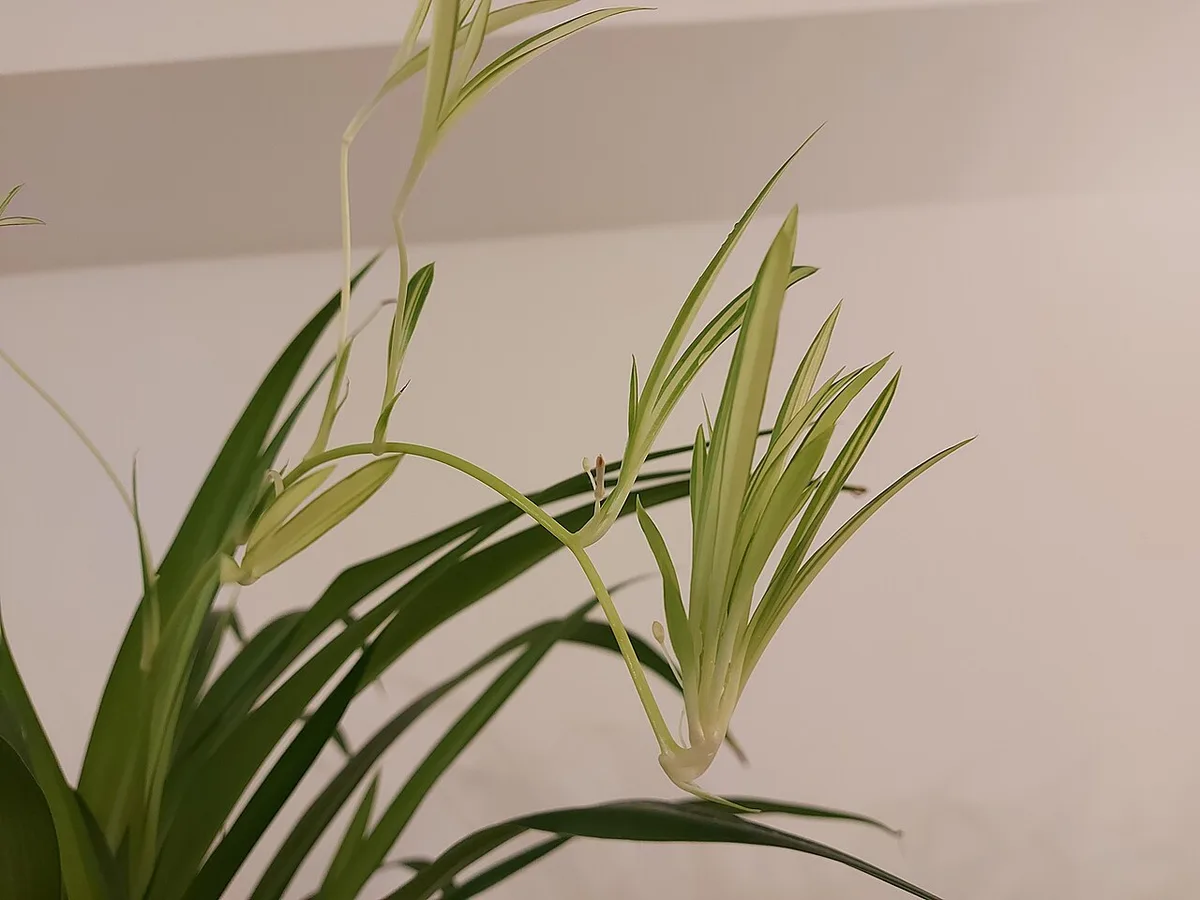
Step 7: Watch the newest leaf. The leaf emerging from the center is your best indicator. If it comes in twisted, short, or narrower than usual, the chemical is affecting growth.
After application, don't fertilize for at least two weeks. Extra nutrients won't reverse gibberellin suppression and can stress the roots further. If your spider plant's growth has slowed, check your general care routine and the fungicide effect together.
Multiple stressors compound quickly. Light and watering issues can also cause yellow leaves on spider plants, so rule those out before assuming the chemical is at fault.
Identifying and Fixing Tebuconazole Damage
Chemical damage from tebuconazole mimics several common spider plant problems. Learning to distinguish them prevents you from making things worse.
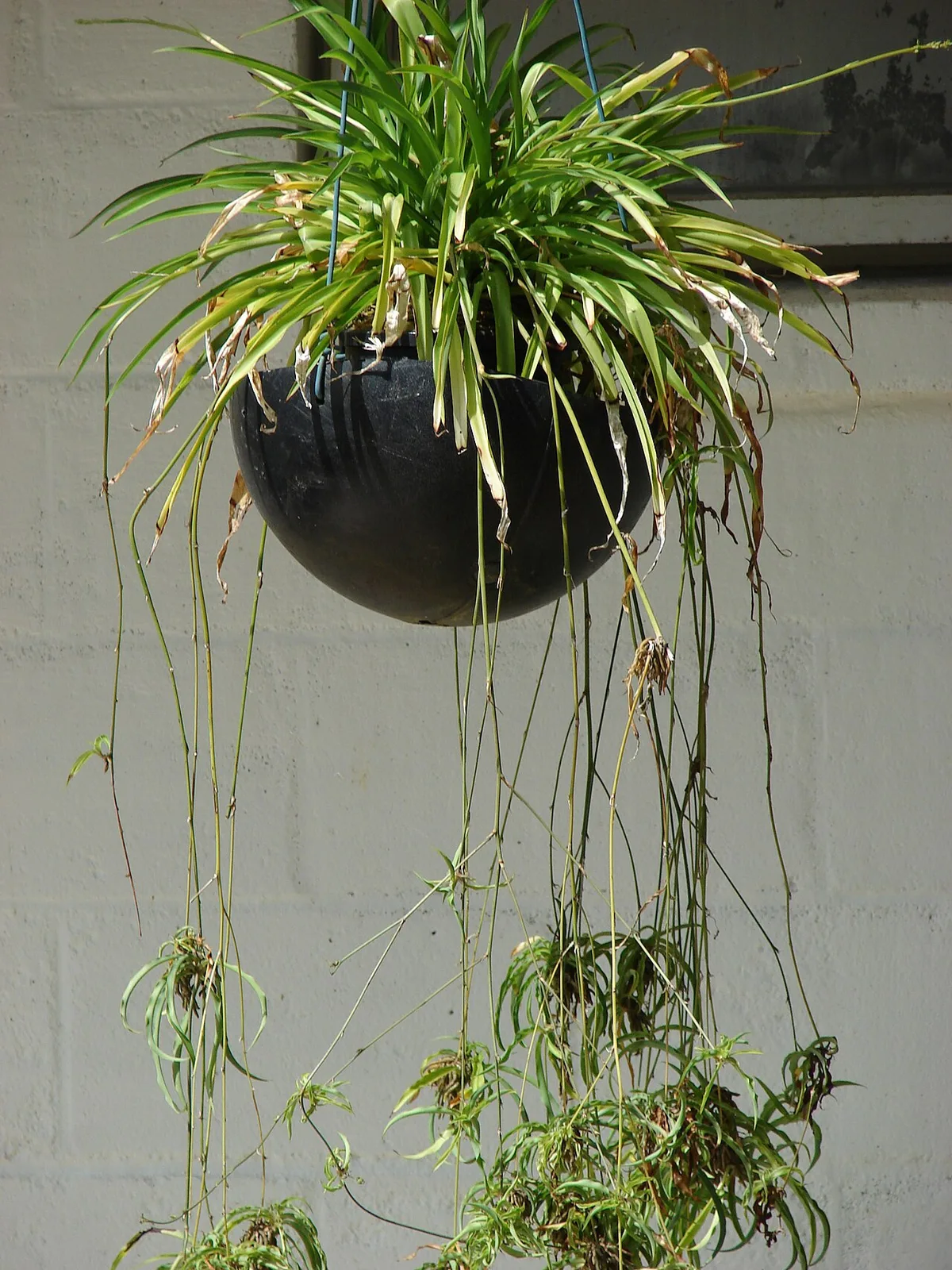
Leaf tip burn. Brown, dry tips appear within 3 to 7 days. This usually happens after spraying during hot, dry conditions, or after mixing the solution too strong. If the tips are uniformly brown but the rest of the leaf is green, suspect the chemical.
Curling or twisting new growth. The newest leaves may emerge with a corkscrew shape or fail to unfurl properly. This is direct gibberellin inhibition. The leaf blade may also stay narrower than normal.
General stunting. The plant simply stops producing new leaves for several weeks. Existing leaves stay healthy and green. This is the mildest symptom and usually resolves on its own.
| Symptom | Looks Like | Likely Cause |
|---|---|---|
| Brown, dry leaf tips | Overwatering | Chemical burn |
| Twisted new leaves | Spider mites | Gibberellin inhibition |
| No new growth for weeks | Dormancy or low light | Systemic uptake |
| Yellow lower leaves | Nutrient deficiency | Root stress |
Distinguish from overwatering. Yellow leaves starting at the bottom usually mean root problems. Chemical damage shows up on the newest foliage first. Check soil moisture before blaming the fungicide.
If your plant is also not growing, review common causes of stunted spider plants to narrow things down.
Distinguish from spider mites. These pests cause stippling and fine webbing, not uniform twisting. Use a magnifying glass to check leaf undersides.
If damage occurs, take these steps.
- Flush the soil. For a soil drench, pour twice the pot volume of clean water through the container. Let it drain completely. Repeat after 24 hours.
- Prune damaged leaves. Wait until new growth appears before cutting old foliage. Removing too much early stresses the plant further.
- Stop treating. Let the plant recover for at least a month before considering another fungicide application.
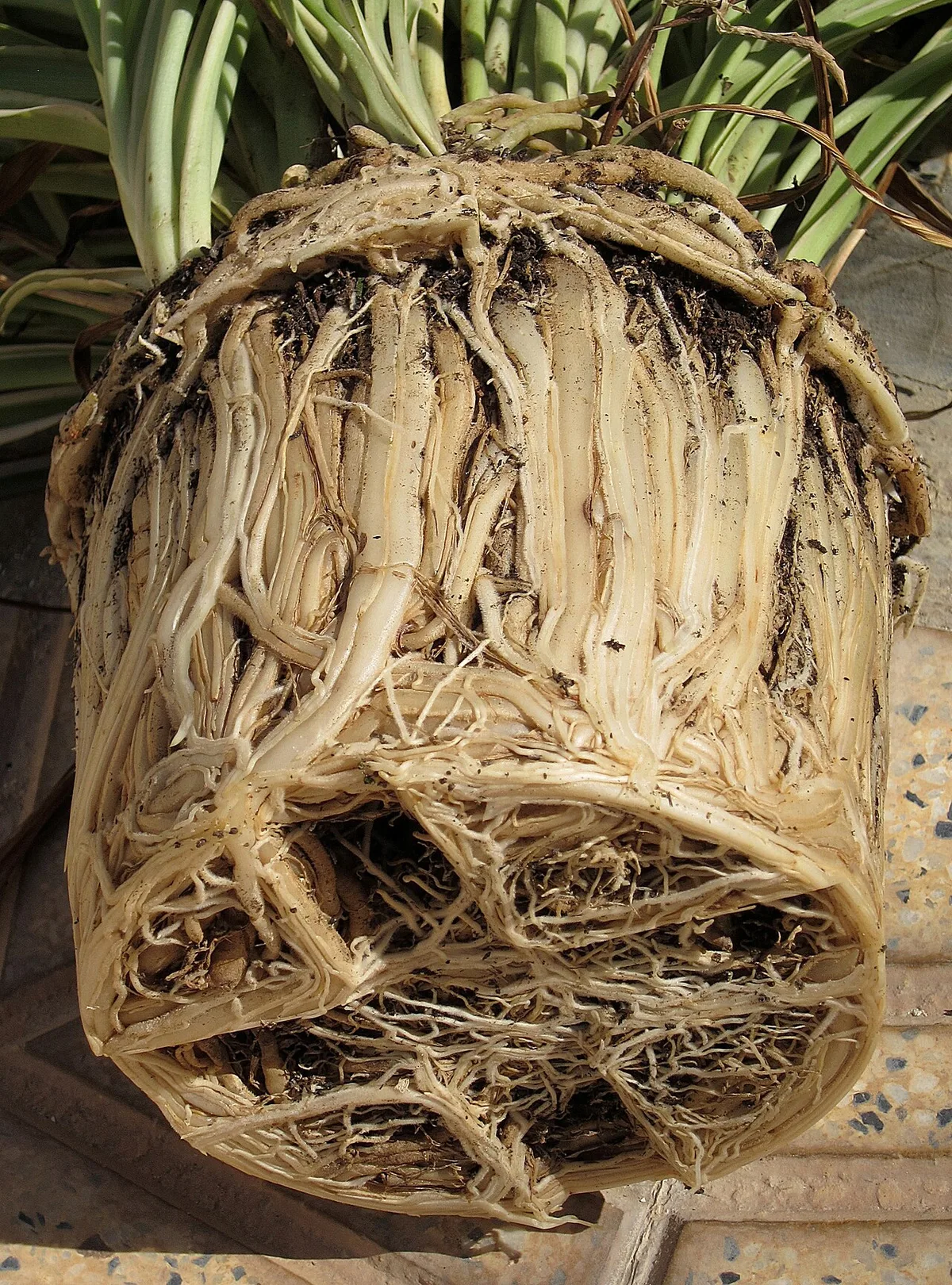
- Check the roots. If leaves keep yellowing, slide the plant out of its pot. Brown, mushy roots need immediate repotting in fresh soil.
Recovery time depends on severity. Mild stunting resolves in 2 to 3 weeks. Moderate leaf burn takes up to 6 weeks for new leaves to reach normal size.
Severe root damage can take months.
A common mistake is mistaking chemical burn for a return of the fungus and applying more fungicide. That starts a damaging cycle. If the fungal spots are gone, stop spraying.
Give the plant time.
Tebuconazole Alternatives for Spider Plant Fungal Issues
If tebuconazole feels too risky for your spider plant, safer options exist.
Contact fungicides. These stay on the leaf surface and don't enter the plant. Chlorothalonil and copper-based products are effective against many fungal diseases. They carry almost no risk of growth stunting.
The downside is that they wash off in rain and need reapplication after watering.
Myclobutanil. This is another triazole, but it's less aggressive on plant growth than tebuconazole. It's a good middle ground if you need systemic protection with fewer side effects.
Propiconazole. Also a triazole, but with stronger growth-regulating effects than tebuconazole. Avoid this one for spider plants.
Neem oil. A natural option that works as a protectant and mild systemic. It's gentle on spider plants and safe for indoor use. Neem doesn't cure severe infections as quickly as synthetic fungicides, but it avoids chemical damage entirely.
| Option | Systemic? | Stunting Risk | Best For |
|---|---|---|---|
| Tebuconazole | Yes | Moderate | Severe leaf spots |
| Chlorothalonil | No | None | Preventative spraying |
| Myclobutanil | Yes | Low | Mild infections |
| Neem oil | No | None | Indoor plants, early signs |
Cultural controls first. Most fungal issues in spider plants come from overwatering, poor airflow, or contaminated soil. Fix those conditions before reaching for any chemical. Let the top inch of soil dry between waterings.
Remove affected leaves promptly. Propagate healthy sections to replace damaged plants if needed.
Common Mistakes and Misconceptions
Several misunderstandings lead people to misuse tebuconazole on spider plants.
Mistake 1: Confusing leaf aging with chemical damage. Spider plants naturally drop older outer leaves. This is normal, not a sign of fungicide damage. Chemical damage appears on new growth first.
Mistake 2: Applying extra "to be safe." Doubling the label rate is the fastest route to stunting. More isn't better with this chemical.
Mistake 3: Using a soil drench for leaf spots. Soil drenches expose the whole plant to the chemical for weeks. Foliar sprays target the problem area with less systemic load.
Mistake 4: Mixing multiple fungicides. Combining tebuconazole with other chemicals increases the risk of phytotoxicity without improving control.
Mistake 5: Treating without identifying the problem first. Many brown spots on spider plants are physical damage or sunburn, not fungal disease. A fungicide won't fix those.
A more practical approach is to start with the least invasive option and escalate only if needed. Good spider plant care and proper light exposure prevent most fungal issues in the first place.
Frequently Asked Questions
Can I use tebuconazole on spider plant cuttings?
Yes, but it's usually unnecessary. Fresh cuttings don't have active fungal infections. Focus on sterile potting mix and proper humidity instead.
If you must treat cuttings, use a foliar spray at half the label rate.
How long does tebuconazole stay active in potting soil?
The half-life in soil ranges from 40 to 70 days, depending on temperature and moisture. In a potted plant, the chemical can remain detectable for 2 to 3 months. This is why soil drenches cause longer-lasting growth suppression than foliar sprays.
Will a single application kill my spider plant?
No. Severe stunting or death is unlikely from a single properly mixed application. You might see reduced new growth for a few weeks, but the plant will recover.
Death typically only occurs from repeated over-application or combined stress factors.
Can I use tebuconazole on spider plants indoors?
Yes, with ventilation. Apply the spray outdoors or near an open window. Let the plant dry completely before moving it back to its regular spot.
Keep children and pets away from the treated area for at least 24 hours.
How many applications can a spider plant tolerate?
Generally, two to three applications per year is safe. More than that increases the risk of cumulative growth suppression. If you need more treatments, switch to a non-systemic fungicide or address the underlying care conditions.

Similar Posts