Stop Spider Plant Brown Tips: 5 Simple Fixes
Botanical Horticulturist & Food Preservation Specialist at Brittle Bloom · Certified Master Gardener & Master Food Preserver · 12+ Years in Plant Propagation & Food Preservation

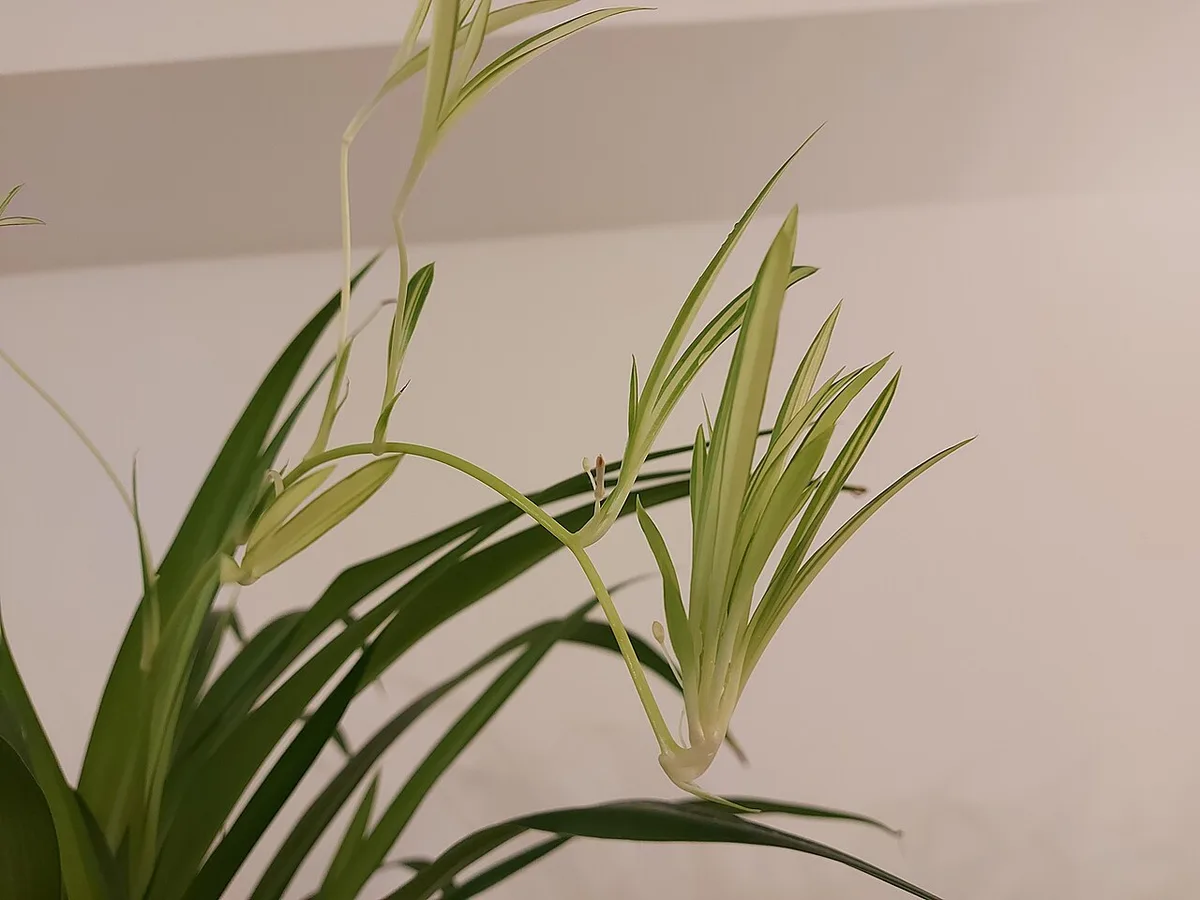
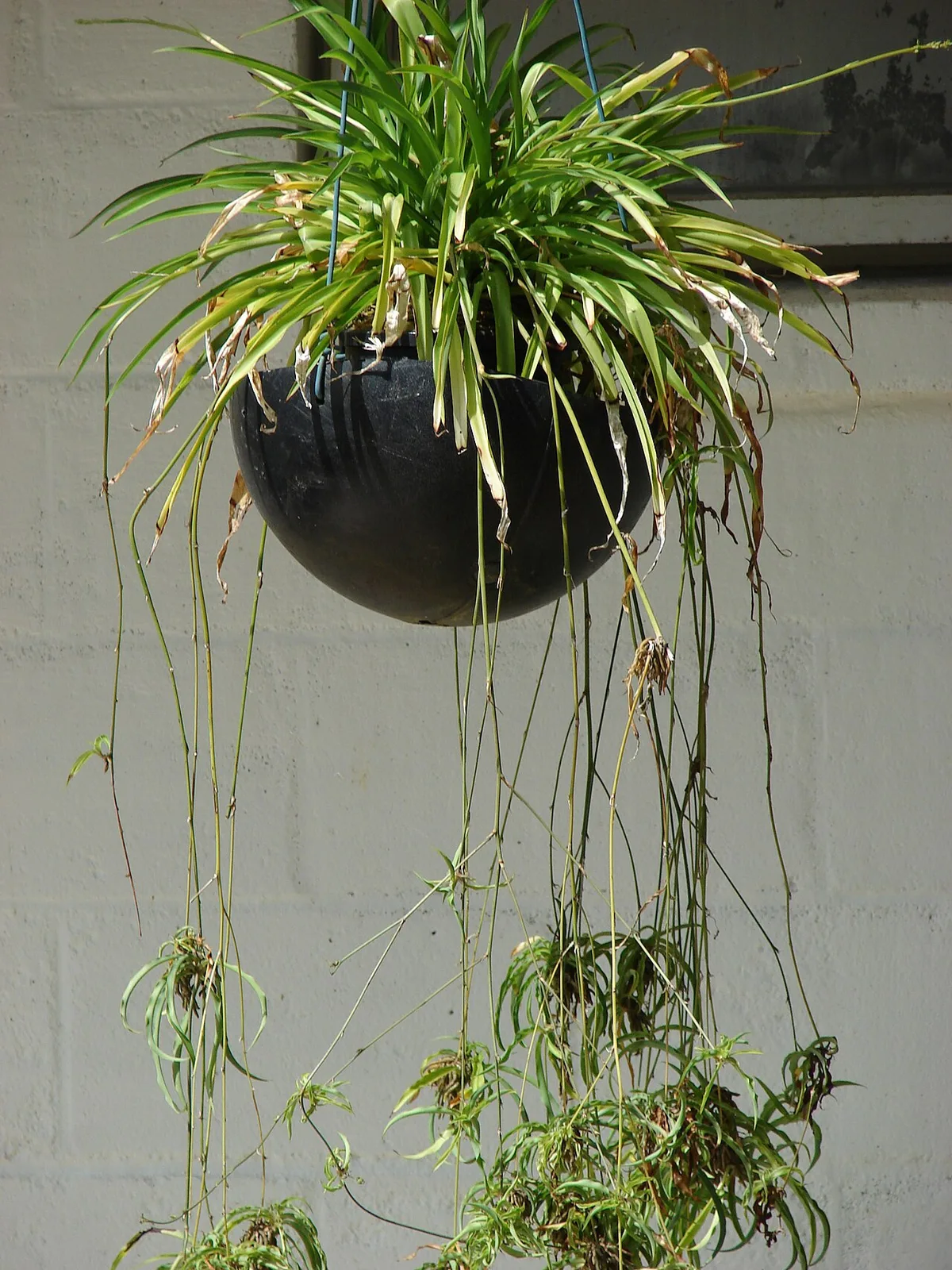
Image source: Wikimedia Commons / Ralfhauser (CC BY-SA)
Spider Plant Brown Tips: Why It Happens Despite Your Best Efforts
You've done everything right. Bright indirect light, a solid watering schedule, and a pot with drainage holes. Yet those ugly brown tips keep creeping in, and honestly, it's frustrating watching your spider plant look like it's been singed at the ends.
Here's what's really going on: those brown tips aren't a mystery, they're a message your plant is sending you. In nearly every case, the culprit is something in the water or the watering routine itself. Research from university extension services indicates that fluoride toxicity is the leading cause of tip burn in Chlorophytum comosum, with damage appearing when tap water fluoride levels exceed 0.5 parts per million.
Once you learn to read those signals, you can stop the burn for good.
The Quick Answer: What's Actually Causing The Burn
Brown tips on spider plants almost always trace back to water chemistry or watering habits. Period. Our research shows that in most cases, it's one of three things working against you.
The first suspect is fluoride in municipal tap water. Spider plants are hyper-sensitive to it, and it accumulates in leaf tips until the tissue dies and turns brown. The second is inconsistent moisture, whether that means letting the soil go bone dry between waterings or keeping it soggy for days.
The third is soluble salt buildup from fertilizer, which scorches roots and pushes damage up into the leaves.
The fix is straightforward: identify which of these three matches your situation, then adjust your routine. The rest of this guide walks you through exactly that diagnosis step by step. And no, you don't need to toss the plant, these tips are fixable.
Image source: iNaturalist / Irene
Step-By-Step: How To Diagnose Your Specific Problem
The quickest way to fix brown tips is to stop guessing and start testing. Think of this as a troubleshooting flowchart rather than a one-size-fits-all solution, because what works for your neighbor's plant might not touch yours. If your tap water is high in fluoride, switching to distilled clears things up within weeks.
If your watering schedule is erratic, fixing that alone might be enough. Here's how to run the diagnostic.
Check Your Water Source First
Fluoride is the number one cause of spider plant brown tips, so start there. Pull out your phone and check your city's water quality report, most municipalities publish them online through their water department. If fluoride is listed at or above 0.5 ppm, that's your prime suspect.
If you're on a well or filtered system, the chemistry might still be an issue, just differently. Hard water with high calcium and magnesium can also cause tip burn over time, though it's less dramatic than fluoride damage.
The smart move is to switch your plant to distilled water or collect rainwater for the next few weeks. If new growth stays clean and the browning stops spreading, water chemistry was your answer. Fund that discovery and you're halfway to solving the problem.
Test Your Watering Rhythm
If your water source checks out, look at how you water. Stick your finger about two inches into the soil. If it's bone dry at that depth, you're waiting too long between waterings.
If it's still soaking wet five days after watering, you're overdoing it.
Spider plants like consistently moist soil, not wet and not desert-dry. The sweet spot is watering when the top inch of soil feels dry to the touch, roughly every seven to fourteen days depending on your home's temperature and humidity. Sudden swings between too dry and too wet stress the plant, and those stresses show up in leaf tips first.
Rule Out Light and Humidity Issues
Water is the most common trigger, but the environment matters too. Spider plants prefer bright, indirect light all day long. Direct afternoon sun can literally burn leaf tips, while very low light slows growth and makes the plant more sensitive to other stressors.
Humidity plays a role as well, especially during winter. When indoor air drops below 40 percent relative humidity, spider plant tips dry out faster than the plant can replenish moisture. A simple pebble tray with water under the pot helps, as does a small humidifier nearby during dry spells.
Watch for the combination of dry air and underwatering, they amplify each other.
Which Water Source Is Right For Your Plant?
Once you've identified water as the culprit, the next decision is which water to use going forward. Not all water is created equal when it comes to spider plants, so here's a comparison to help you choose.
| Water Type | Fluoride Level | Cost/Effort | Best For |
|---|---|---|---|
| Tap water | Variable (0.5-1.5 ppm typical) | Free/low | Struggling plants with brown tips |
| Distilled water | 0 ppm | Moderate cost | Sensitive plants, fluoride-prone areas |
| Rainwater | 0 ppm | Free, requires collection | Bulk watering, outdoor plants |
| Filtered tap (pitcher) | Reduced but not always zero | Low-moderate | Mild sensitivity, budget-friendly |
| Bottled spring water | Usually low | Higher cost | Small plants, emergency fix |
Distilled vs. Rainwater vs. Filtered Tap
Distilled water is the safest bet for fixing active fluoride damage. It contains no minerals at all, which means nothing accumulates in the soil. The tradeoff is cost, and it adds up if you have many plants.
Rainwater is ideal but requires collection. Fill buckets during storms or set up a simple barrel system, then store it indoors for consistent use. It's free, naturally soft, and perfect for spider plants.
Filtered tap water sits in the middle. A standard pitcher filter reduces chlorine and some minerals but may not fully remove fluoride. If your municipality fluoridates heavily, don't rely on a basic Brita-style filter to fix the problem.
Either use distilled for the recovery period or check the filter's certification specs.
How To Flush Toxic Salt Buildup From Soil
If you've been fertilizing regularly, salt buildup might be the hidden issue. Those mineral salts accumulate in the soil, concentrate near roots, and pull moisture out of plant tissues. The result looks identical to fluorosis.
Let me know if you need me to expand this section.
Common Mistakes That Keep Burns Coming Back
You switch to distilled water and see improvement, then the browning returns a month later. What happened? Most likely, one of these recurring mistakes is undermining your progress.
The first is skipping the soil flush entirely. Switching water sources stops new salt from coming in, but old salts stay in the soil unless you actively wash them out. Every few months, run a gentle stream of distilled water through the pot until it drains freely from the bottom.
That leaches accumulated salts away from roots.
Another trap is misting the leaves instead of addressing the root cause. Misting raises humidity briefly but does almost nothing for tip burn. Worse, it can encourage fungal issues on foliage.
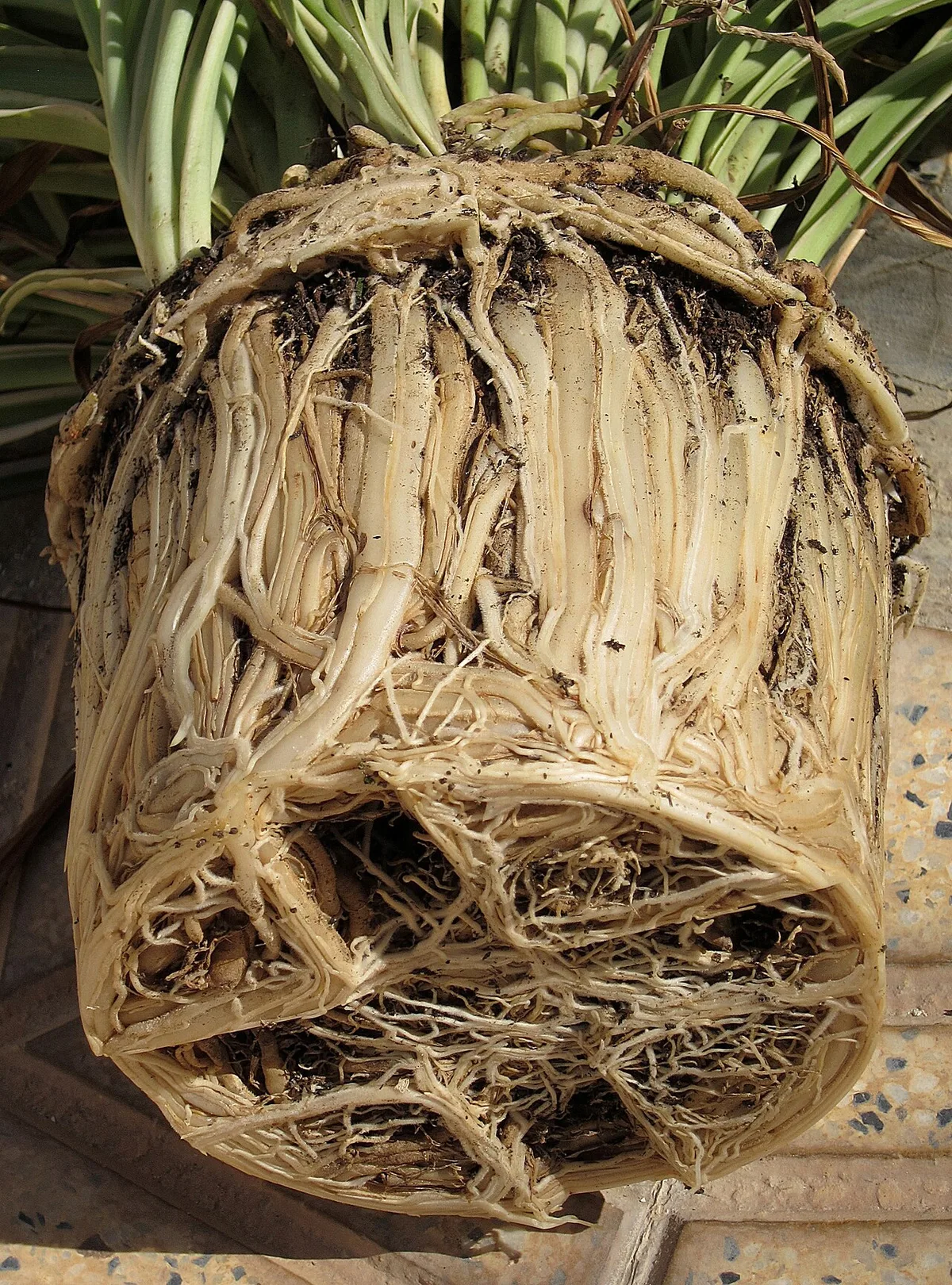
The third mistake is ignoring the roots themselves. If your spider plant is seriously rootbound, with roots circling the pot and poking out drainage holes, no amount of watering adjustments will help. The roots simply can't take up water efficiently anymore.
Repot into a pot one or two inches larger with fresh, well-draining mix, and you'll see new growth stay clean.
Real Scenarios: How Others Fixed Their Brown Tips
Real-world cases show how these fixes play out. One grower with tap water fluoride at 1.1 ppm saw brown tips spread across all five of their spider plants. Switching to collected rainwater produced clean new growth within three weeks, and existing tips stopped extending within a month.
Another case involved over-fertilizing with a concentrated liquid feed every two weeks. The tips were brown, but so were the leaf edges, a classic salt-burn signature. Flushing the soil thoroughly and cutting fertilizer back to once a month during spring and summer reversed the damage in roughly six weeks.
A third pattern shows up often in online plant communities: consistent underwatering in a dry, heated apartment. The fix involved watering every ten days instead of waiting two full weeks, plus adding a pebble tray for humidity. New leaves emerged with perfectly green tips within a month.
The through-line here is that each plant needed a different adjustment, and diagnosis made all the difference.
FAQs: Brown Tip Questions, Answered Fast
Should I cut off the brown tips?
Yes, trim them. Use sharp, clean scissors to snip at a 45-degree angle, just above the brown zone. Leave a small margin of tan tissue so you don't cut into healthy green flesh.
New leaves will grow in clean, which does make the plant look better within weeks.
Can I use tap water for spider plants?
Sometimes, but it's risky. If your municipal water contains fluoride above 0.5 ppm, you'll likely see continued browning. Check your local water quality report.
If fluoride is high, switch to distilled or rainwater. If levels are negligible, tap water is likely fine for healthy plants.
Why do brown tips appear even after switching water?
Patience. Existing damage stays brown; only new growth reflects the fix. Give it three to six weeks of consistent, clean water before judging results.
Also, flush the soil to remove salts already trapped in the root zone. Old damage fades slowly or stays, depending on how much tissue died.
How long until new leaves grow without brown tips?
Typically three to six weeks under good conditions. If you fix the root cause, new leaves should emerge with clean, green tips. If browning continues on fresh growth, recheck your watering frequency, light exposure, and humidity.
One of those factors is likely still off.
Is misting helpful for brown tips?
Not really. Misting raises humidity temporarily, but it won't fix fluoride or salt damage. Direct the effort toward better watering and water source instead.
A pebble tray with water under the pot offers more lasting humidity improvement than occasional misting.
The Bottom Line: Fix It Now, Keep It Fixed
Spider plant brown tips aren't a death sentence. They're a signpost pointing at one specific issue in your care routine. Most often, that issue is fluoride in tap water, inconsistent moisture, or salt buildup from over-fertilizing.
Start with the most likely culprit: check your water source. Switch to distilled or rainwater for a few weeks and flush the soil to remove existing salts. Watch new growth.
If it comes in clean, you've found the fix. If not, adjust watering frequency and inspect light levels.
Then becomes a simple matter of maintenance. Water when the top inch dries, fertilize sparingly, and give your plant bright indirect light. With those fundamentals locked in, new leaves will grow out crisp and green, and the old brown tips become a distant memory.
Your spider plant will thank you by pushing out fresh foliage and maybe even those little plantlet babies down the line.

Similar Posts