Plant to Light Matching Tool
Botanical Horticulturist & Food Preservation Specialist at Brittle Bloom · Certified Master Gardener & Master Food Preserver · 12+ Years in Plant Propagation & Food Preservation
Choosing the right houseplant is about more than finding a beautiful pot or picking a plant you saw on Pinterest. One of the most important things to consider is how much natural light your home provides.
A plant that thrives beside a sunny window might struggle in a dim hallway. Similarly, a plant that prefers filtered light may develop damaged leaves when exposed to strong afternoon sunlight.
That’s where a plant-to-light matching tool can make choosing houseplants easier. Instead of guessing which plants might survive in your space, you can start with the lighting conditions you actually have and find plants with compatible needs.
Whether you live in a small apartment, have a bright sunroom, or want to decorate a room with limited natural light, understanding plant lighting requirements can help you make better choices.
In this guide, you’ll learn how to assess indoor light, understand different sunlight conditions, and match popular houseplants with suitable locations.
Plant-to-Light Matcher
Find out whether your plant is getting the right amount of light to thrive!
Choose Your Plant
Select Your Light Conditions
Set Daily Light Exposure
Great Light Match!
What Is a Plant-to-Light Matching Tool?
A plant-to-light matching tool is a simple plant-selection resource that helps you identify houseplants suited to the amount and type of light available in a particular location.
Rather than starting with a list of popular plants, you start with your growing environment.
For example, you might have:
- A bedroom with a north-facing window.
- A living room with bright indirect light.
- A sunny kitchen with a south-facing window.
- An apartment corner that receives very little natural sunlight.
Each location offers different growing conditions. A matching tool helps narrow down plant choices according to those differences.
Depending on its features, a plant-to-light matching tool may consider:
- Window direction.
- Distance between the plant and window.
- Direct or indirect sunlight.
- Approximate daily sunlight duration.
- Available artificial lighting.
- Individual plant light requirements.
The goal is not to guarantee that every recommended plant will thrive. Watering, temperature, humidity, soil, and other growing conditions matter too. Instead, the tool gives you a practical starting point for choosing plants that are more compatible with your space.
Why Matching Plants to Light Matters
Light provides the energy plants need for photosynthesis. Without sufficient light, plants cannot maintain healthy growth.
However, different plants have different lighting preferences.
Some tropical foliage plants tolerate relatively dim indoor conditions, while succulents and many flowering plants need considerably brighter locations.
Choosing a plant without considering its light requirements can lead to several problems.
Slow or weak growth
When a plant receives less light than it needs, growth may become slower. Stems can become stretched and leggy as the plant grows toward a nearby light source.
Smaller or less attractive leaves
Insufficient light may cause some plants to develop smaller leaves, lose their characteristic coloration, or produce less compact growth.
Leaf discoloration and damage
Too much direct sunlight can also be a problem. Sensitive foliage may develop pale areas, brown patches, or scorched leaves.
Fewer flowers
Some flowering houseplants need stronger light or specific day-length conditions to produce flowers consistently.
Matching a plant to its environment helps reduce these problems and makes indoor gardening more manageable.
Understanding the Four Main Indoor Light Conditions
Before choosing a plant, it helps to understand the lighting categories commonly used in indoor gardening.
Remember that these descriptions are general guidelines. Actual light intensity varies with window size, season, weather, surrounding buildings, trees, curtains, and distance from the glass.
1. Low Light
Low-light locations receive relatively little natural sunlight.
Examples include:
- Rooms with north-facing windows.
- Corners several feet away from windows.
- Areas shaded by nearby buildings or trees.
- Interior spaces with limited natural daylight.
Some plants tolerate these conditions better than others.
Houseplants to consider:
- Snake Plant
- ZZ Plant
- Cast Iron Plant
- Chinese Evergreen
- Parlor Palm
These plants are often recommended for lower-light interiors, but low-light tolerance does not mean that they can grow indefinitely without light.
If a location receives almost no natural light, consider supplemental grow lighting.
2. Medium Light
Medium-light locations usually receive moderate natural daylight without prolonged exposure to strong direct sunlight.
Examples include:
- Spaces near east-facing windows.
- Areas a few feet away from bright windows.
- Rooms receiving filtered daylight.
- Locations with bright but indirect natural light.
Houseplants to consider:
- Spider Plant
- Pothos
- Peace Lily
- Rubber Plant
- Monstera
The precise placement depends on the plant variety and the intensity of the available light.
3. Bright Indirect Light
Bright indirect light is a well-lit location where the plant receives strong ambient daylight without harsh direct sunlight falling on its leaves for extended periods.
Examples include:
- Near an east-facing window.
- A few feet away from a sunny south-facing window.
- Near a bright window with a sheer curtain.
- Areas receiving filtered daylight throughout much of the day.
Houseplants to consider:
- Monstera Deliciosa
- Philodendron
- Anthurium
- Hoya
- Fiddle Leaf Fig
Bright indirect light is particularly useful when choosing tropical foliage plants that need good illumination but may be sensitive to intense direct sun.
4. Direct Sunlight
Direct sunlight occurs when sunlight reaches the plant's leaves without being filtered by curtains, trees, or other obstacles.
Sunny south-facing windows in the Northern Hemisphere can provide particularly strong indoor light.
Houseplants to consider:
- Aloe Vera
- Jade Plant
- Many Cacti
- Many Succulents
- Some Citrus Plants
However, not every plant labeled as a sun-loving plant can tolerate sudden exposure to intense afternoon sunlight.
Acclimate plants gradually when moving them into brighter locations.
How to Identify the Light in Your Home
You don't need expensive equipment to make an initial assessment of your home's lighting.
Start by observing the windows and the areas where you plan to keep your plants.
Step 1: Check Your Window Direction
Window direction can provide a useful first indication of available sunlight.
North-facing windows
In the Northern Hemisphere, north-facing windows generally receive less direct sunlight. They are often suitable starting locations for plants that tolerate lower light.
East-facing windows
East-facing windows typically receive gentle morning sunlight. They can be useful locations for many tropical foliage plants.
South-facing windows
South-facing windows generally receive strong sunlight for much of the day. Some plants may need to be positioned farther from the glass or protected with a sheer curtain.
West-facing windows
West-facing windows receive afternoon sunlight, which can be particularly intense during warmer months.
Remember that these descriptions apply to the Northern Hemisphere. Gardeners in the Southern Hemisphere should interpret window directions differently.
Step 2: Consider the Distance From the Window
A plant placed directly beside a window may receive substantially more light than one positioned across the room.
Light intensity decreases as the distance from the light source increases.
For example:
- Directly beside a bright window: potentially high light.
- A few feet away: potentially medium or bright indirect light.
- Farther into the room: potentially low light.
These are starting estimates rather than fixed measurements.
Step 3: Observe the Shadows
A simple shadow test can help you understand the lighting in a location.
Place a sheet of white paper where you plan to keep your plant. Hold your hand above it when daylight is available.
Observe the shadow:
- A sharp, well-defined shadow suggests stronger directional light.
- A soft, blurry shadow suggests filtered or indirect light.
- A very faint shadow suggests relatively low light.
This method is only a rough visual estimate. It does not replace an actual light measurement.
Step 4: Measure Light When Possible
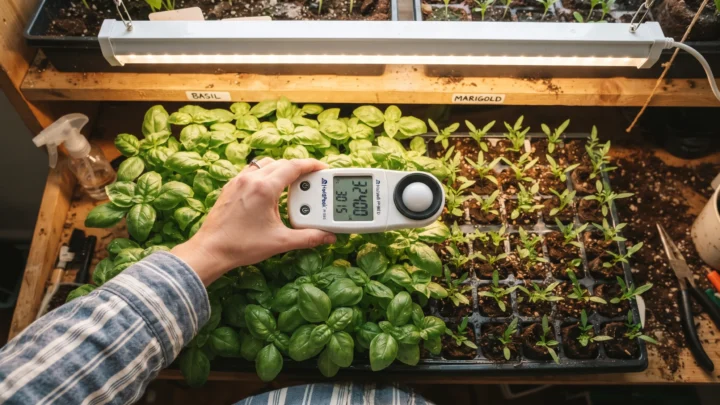
For a more objective assessment, use a digital light meter.
Indoor light intensity is commonly measured in foot-candles (FC) or lux.
One foot-candle is approximately 10.76 lux.
Some smartphone applications also estimate light intensity, but their accuracy varies depending on the phone's sensor and measurement method.
If you use an app, treat its readings as approximate rather than precise measurements.
Plant-to-Light Matching Guide: Which Plants Suit Your Space?
The following table provides a starting point for matching popular indoor plants with different lighting conditions.
| Light condition | Plants to consider |
|---|---|
| Low light | Snake Plant, ZZ Plant, Cast Iron Plant |
| Low to medium light | Chinese Evergreen, Parlor Palm, Peace Lily |
| Medium light | Spider Plant, Pothos, Monstera |
| Bright indirect light | Philodendron, Anthurium, Hoya |
| Bright light | Jade Plant, Aloe Vera, Croton |
| Direct sunlight | Many Cacti, Sun-loving Succulents |
Plant varieties can have different requirements. For example, variegated cultivars may need more light than similar green varieties to maintain their coloration.
Always check the specific plant's growing requirements before purchasing.
Best Plants for Different Window Directions
Window direction is a useful starting point when selecting houseplants.
Best Plants for North-Facing Windows
North-facing windows generally provide lower-intensity natural light in the Northern Hemisphere.
Consider:
- ZZ Plant
- Snake Plant
- Cast Iron Plant
- Chinese Evergreen
- Parlor Palm
These plants are relatively tolerant of lower-light environments, although they still need adequate illumination for healthy growth.
Best Plants for East-Facing Windows
East-facing windows receive morning sunlight, which is often less intense than afternoon sunlight.
Consider:
- Spider Plant
- Peace Lily
- Monstera
- Pothos
- Philodendron
Monitor your plants to ensure that morning sunlight is not causing leaf damage, particularly during warmer seasons.
Best Plants for South-Facing Windows
South-facing windows can provide excellent natural light for plants with higher light requirements.
Consider:
- Aloe Vera
- Jade Plant
- Croton
- Many Cacti
- Many Succulents
Use some distance from the glass or a sheer curtain when a particular plant needs protection from intense direct sunlight.
Best Plants for West-Facing Windows
West-facing windows can provide strong afternoon light.
Consider:
- Jade Plant
- Aloe Vera
- Hoya
- Croton
- Some Succulents
Because afternoon sunlight can be intense, monitor leaf condition and adjust placement when necessary.
How to Use a Plant-to-Light Matching Tool
An effective plant-to-light matching tool should make plant selection straightforward, especially for beginners.
The following process can help you get useful recommendations.
Step 1: Choose your window direction.
Select north, south, east, west, or a location without a nearby window.
Step 2: Identify your light level.
Choose the closest description:
- Low light.
- Medium light.
- Bright indirect light.
- Direct sunlight.
Step 3: Estimate sunlight duration.
Consider approximately how many hours the location receives direct sunlight or strong daylight.
Step 4: Add any additional growing preferences.
For example, you might prefer:
- Easy-care plants.
- Pet-safe plants.
- Small plants for desks.
- Large statement plants.
- Flowering houseplants.
- Plants suitable for apartments.
These preferences should be treated as additional filters rather than substitutes for checking individual plant requirements.
Step 5: Review your matches.
Compare the suggested plants and check their specific care requirements before buying.
A useful matching result should ideally include the plant's preferred light, watering considerations, growth habits, and any important placement warnings.
What If Your Home Has Very Little Natural Light?
Living in a dim apartment doesn't mean you have to give up indoor gardening.
Some houseplants tolerate lower-light environments, but there is an important distinction between low light and no light.
A room without windows or meaningful daylight may not provide enough energy for sustained plant growth.
Consider these options:
Choose plants with lower-light tolerance
Snake plants, ZZ plants, and cast iron plants are common choices for rooms with limited natural light.
They may tolerate these environments better than sun-loving plants, but they still require light.
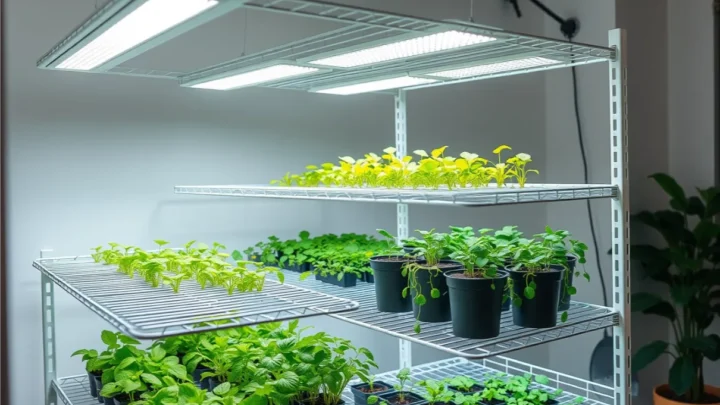
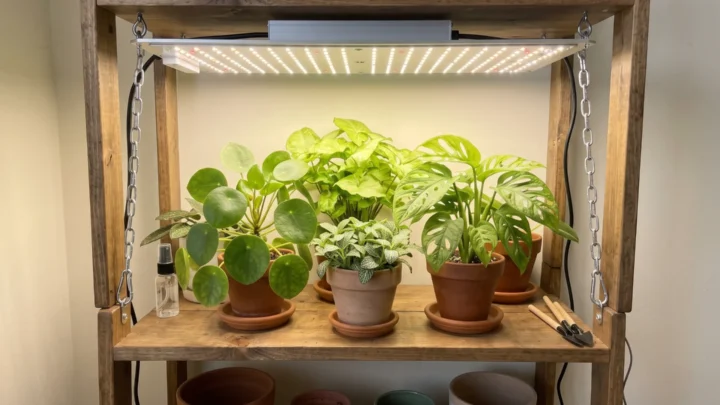
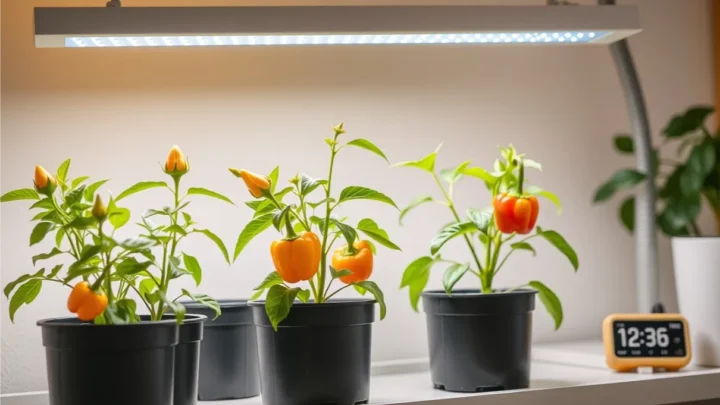
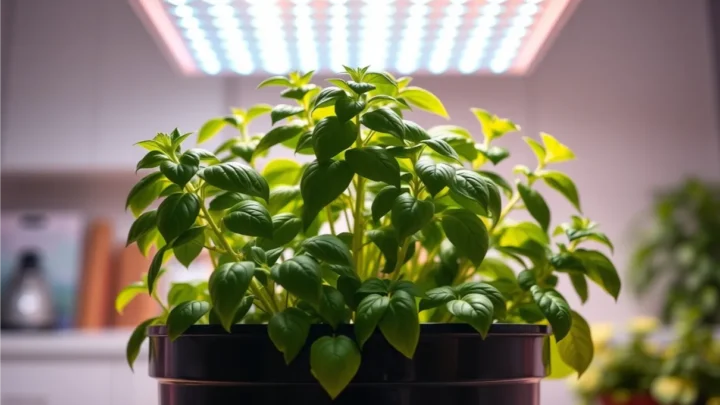
Consider supplemental grow lights
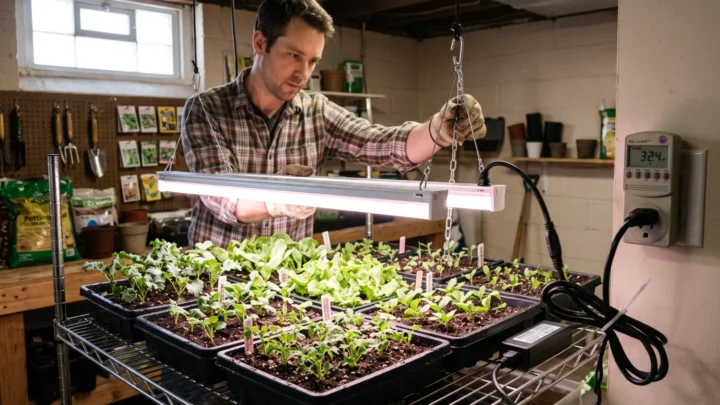
Grow lights can help provide the illumination that natural daylight cannot supply.
When choosing a grow light, consider:
- Light output and coverage.
- The type of plant you're growing.
- Distance between the fixture and foliage.
- Daily lighting duration.
- Manufacturer recommendations.
Different fixtures produce different light intensities, so there isn't one universal distance or schedule for every grow light.
Rotate plants between locations
If you have several plants and one brighter window, you may consider moving plants between suitable locations.
However, rotating plants is not a substitute for meeting their ongoing light requirements.
Common Mistakes When Matching Plants to Light
Even when you understand basic lighting categories, a few common mistakes can lead to disappointing results.
Assuming all low-light plants need darkness
Low-light tolerant plants still need light for photosynthesis. A room that appears comfortable to people may be too dark for sustained plant growth.
Choosing plants based only on window direction
Two south-facing windows can provide very different conditions depending on obstructions, glass, curtains, and surrounding buildings.
Look at the actual light reaching the plant.
Ignoring seasonal changes
Sunlight patterns change throughout the year. A location that receives bright indirect light in one season may receive stronger direct sunlight in another.
Reassess your plant placement periodically.
Forgetting about plant varieties
Different cultivars of the same species may have different lighting preferences.
Variegated plants, for example, sometimes need brighter conditions to maintain their leaf patterns.
Assuming more sunlight is always better
Some tropical plants prefer bright indirect light rather than prolonged direct exposure.
Too much sunlight can damage sensitive leaves.
How to Keep Your Plants Healthy After Finding the Right Match
Matching a plant to its lighting environment is an important first step, but ongoing care also matters.
Keep these basic practices in mind:
- Check soil moisture before watering rather than following a rigid schedule.
- Use containers with appropriate drainage.
- Choose a potting mix suitable for the plant species.
- Monitor leaves for signs of excessive or insufficient light.
- Avoid sudden changes in light exposure.
- Consider temperature and humidity requirements.
- Reassess conditions when seasons change.
If a plant develops pale leaves, brown patches, or stretched growth, consider lighting as one possible cause. Watering problems, pests, temperature stress, and root issues can produce similar symptoms.
Frequently Asked Questions
1. What is a plant-to-light matching tool?
A plant-to-light matching tool helps gardeners identify houseplants that are compatible with the lighting conditions in their homes. It can use window direction, light intensity, and sunlight duration to narrow down suitable plant choices.
2. Which houseplants are best for low-light rooms?
Snake plants, ZZ plants, cast iron plants, Chinese evergreens, and parlor palms are commonly recommended for lower-light indoor environments. However, they still need sufficient light to maintain healthy growth.
3. How do I know whether my room has bright indirect light?
Bright indirect light generally means a location receives strong natural daylight without prolonged direct sunlight falling on the plant. A location near a bright window, slightly away from direct sun, can be a suitable example.
4. Can I use a smartphone to measure light for indoor plants?
Some smartphone applications estimate indoor light intensity using the phone's sensors. However, accuracy varies by device and application. A dedicated light meter is generally a better choice for more consistent measurements.
5. Can grow lights replace natural sunlight?
Yes. Suitable grow lights can supplement or replace natural sunlight for many indoor plants. Their effectiveness depends on light intensity, spectrum, coverage, distance, and daily duration. Follow the manufacturer's guidance and the requirements of your particular plants.
Conclusion
Finding the right houseplants doesn't have to involve trial and error. When you understand the lighting available in your home, choosing suitable plants becomes much easier.
A plant-to-light matching tool gives you a practical starting point by connecting your room's lighting conditions with plants that have compatible requirements.
Start by checking your window direction, observing the available daylight, and considering how far your plants will sit from the windows. Then compare those conditions with the needs of individual plants.
Whether you're decorating a bright living room or adding greenery to a small apartment, the best plant is one that fits the environment you can realistically provide.
With a little planning, you can create a healthier and more enjoyable indoor growing space.

Similar Posts