Can You Freeze Dry Bread
Botanical Horticulturist & Food Preservation Specialist at Brittle Bloom · Certified Master Gardener & Master Food Preserver · 12+ Years in Plant Propagation & Food Preservation
Yes, you can freeze dry bread. In fact, it's one of the most practical foods you can run through a home freeze dryer, though the results depend heavily on the type of bread you start with. Soft sandwich loaves, crusty sourdough, bagels, even high-fat brioche all behave differently through the lyophilization process, and knowing the difference saves you from a tray of crumbly disappointment.
The process removes moisture via sublimation. That means water goes from solid ice straight to vapor, never passing through liquid. According to USDA research, properly processed and sealed freeze-dried food can maintain quality for up to 25 years when stored correctly.
That long shelf life is why so many preppers, campers, and everyday home bakers are experimenting with bread. The real question isn't just whether it works, but how to pick the right bread and method for what you actually want out of the finished product.
The Short Answer: Yes, It Works—But Your Results Depend on the Bread
Freeze-dried bread is shelf-stable for years when sealed properly. It can be eaten dry as a crunchy snack or rehydrated for something closer to fresh bread. But the texture change is dramatic.
A light, fluffy white bread slice comes out of the machine feather-light and extremely crumbly. It handles more like a cracker than bread. Dense, crusty loaves like sourdough hold up far better.
They keep more structure and rehydrate more convincingly.
In our research, aggregate reviews report the best results with breads that have a tight crumb and lower fat content. Breads with added butter, eggs, or oil freeze-dry fine, but they won't store as long. The fats go rancid faster than the bread goes stale.
So, what's your goal? If you want crunchy cubes for salads or soups, almost any bread works. If you're packing for a 25-year emergency pantry, stick with lean, dense loaves.
If you want a simple afternoon snack, just freeze-dry some slices and eat them straight from the tray. The decision tree below walks you through the variables.
How Freeze-Drying Actually Changes Bread
Bread is mostly starch, water, and air. When you freeze it, the water inside the crumb forms ice crystals. Then the freeze dryer pulls a vacuum, and those ice crystals sublimate into vapor.
What's left is the bread's structural skeleton: dry, brittle, and extremely light.
That's why texture matters so much. A bagel with a dense crumb and low moisture content comes out of the dryer surprisingly intact. A soft, airy sandwich loaf, which is essentially a sponge of water and air, collapses into something fragile.
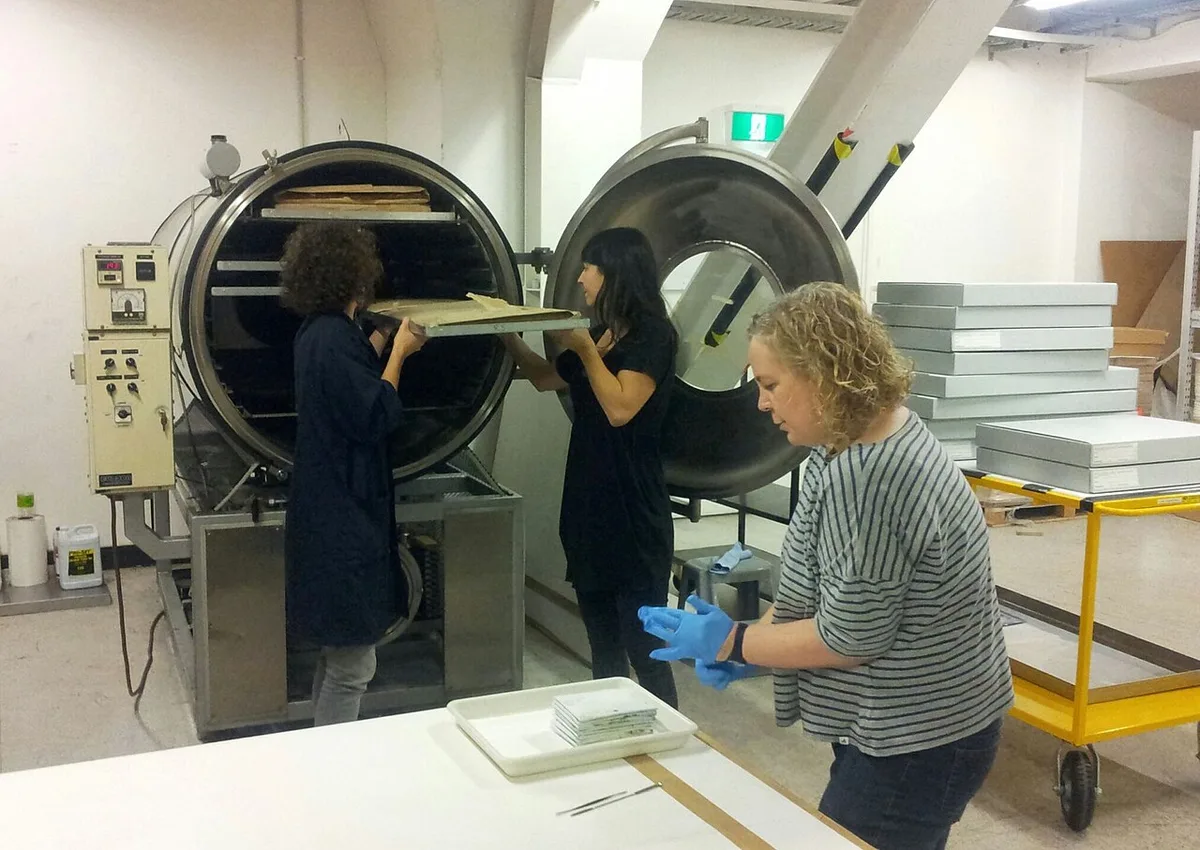
Image source: Wikimedia Commons / Archives New Zealand from New Zealand (CC BY-SA)
The lack of leftover moisture is the whole point. Bacteria, mold, and enzymes need water to survive. Without it, freeze-dried bread won't spoil.
That's also why proper packaging is non-negotiable. The moment you open the machine's chamber, the bread starts absorbing humidity from the air. You have to seal it in Mylar bags with oxygen absorbers within minutes, not hours.
One more thing worth knowing: freeze-dried bread is brittle. It breaks, crumbles, and sheds crumbs everywhere. Anyone who says otherwise hasn't actually handled a fresh batch.
Plan for some breakage, especially with soft loaves. You'll get more usable slices from a dense sourdough than from a fluffy white loaf.
Decision Tree: What Kind of Bread Are You Freeze-Drying?
The right approach depends on the bread's structure and fat content. Use this quick breakdown to figure out which branch fits your loaf.
| Bread Type | Freeze-Dry Performance | Finished Texture | Best Use |
|---|---|---|---|
| Soft sandwich bread | Crumbles easily after drying | Airy but fragile, cracker-like | Croutons, breadcrumbs, crumbled toppings |
| Crusty artisan sourdough | Excellent structure retention | Crisp crust, holds shape well | Slices for rehydration, backpacking meals |
| Bagels and English muffins | Good, dense crumb holds up | Chewy when rehydrated, firm dry | Breakfast items, long-term storage |
| Brioche, challah, croissants | Dry fine but shorter shelf life | Rich, delicate, can go rancid | Short-term treats, immediate snack use |
| Gluten-free bread | Very crumbly after drying | Highly fragile, powdery texture | Breadcrumbs, crushed toppings only |
Soft Sandwich Breads and White Loaves
If your bread is the standard grocery store slice, freeze-drying works, but don't expect fresh-bread texture. Slices come out delicate and brittle. They're excellent for making breadcrumbs, adding to soups, or eating as a crunchy snack.
Rehydration is possible but tricky. The bread tends to turn mushy or fall apart. If you want sandwich-ready slices later, look elsewhere.
Crusty, Dense, or Artisan Breads
This is where freeze-drying shines. A dense sourdough boule or rustic whole grain loaf keeps its structure remarkably well through the process. The crust stays crisp, the crumb stays intact, and rehydration produces something close to the original bread.
It's the best choice for long-term storage and actually useful for emergency meal planning.
High-Fat Breads, Bagels, and Gluten-Free Loaves
High-fat breads like brioche and challah have richer flavor, but the butter and eggs are a trade-off. They freeze-dry fine and taste great fresh out of the machine, but the fat oxidizes over time. Plan to eat them within a year or two, not twenty.
Bagels and English muffins are solid performers. Their dense crumb structure survives drying and rehydrates reasonably well. Gluten-free bread, on the other hand, tends to be the weakest candidate.
It's already fragile fresh, and the freeze-drying process makes it worse. Use it for crumbs or skip it entirely.
What's Your End Goal? Matching the Method to Your Use Case
Freeze-dried bread isn't a single product. It's several different results, depending on what you plan to do with it. Decide upfront, because it changes how you slice, prepare, and package each batch.
Croutons and breadcrumbs. This is the easiest path forward. Slice any bread into cubes or tear it into pieces before freeze-drying. The finished product is crunchy, dry, and perfect for salads, soups, or blitzing into fine crumbs.
No rehydration needed.
Backpacking meals. Dense bread slices freeze-dried whole are lightweight and rehydrate well. Use sourdough, rye, or other low-fat artisan loaves. Add a splash of water and let it rest for a few minutes, and you have a decent base for trail sandwiches.
Emergency food storage. For long-term pantry use, stick with lean, dense breads. Package in Mylar bags with oxygen absorbers. Properly stored, they can last decades.
High-fat breads are not suitable for this purpose.
Instant snacks. Freeze-dried bread eaten dry is actually tasty. The texture is airy and crunchy, like a crispy cracker. Try it with butter or jam spread on top.
It doesn't behave like fresh bread, but it's genuinely enjoyable on its own.
Quick rehydration for normal meals. If you want something close to regular bread later, slice it thick and freeze-dry it. A thick slice absorbs water more evenly and holds up better than a thin one. Just don't expect a perfect replica.
It's bread-adjacent, not bread.
Matching your approach to the end result makes everything smoother. You'll avoid wasted trays and know exactly what to expect when you open the Mylar bag a year from now.
Step-by-Step: How to Freeze-Dry Bread at Home
Getting consistent results is about preparation, not luck. Here's a straightforward workflow that works across most home freeze dryers.
Step 1: Slice consistently. Cut bread into ½ to ¾ inch slices. Thicker slices rehydrate better. Thinner slices come out crispier and more fragile.
Pick based on your end goal.
Step 2: Pre-freeze. Place slices in a single layer on the freeze dryer trays. Make sure they don't overlap or touch. Pre-freeze them in your regular freezer before starting the machine.
This speeds up the process and prevents slices from sticking together.
Step 3: Load and run. Place the trays in the freeze dryer and start the cycle. Most bread loads finish in 12 to 24 hours, depending on the loaf's density and moisture content. Sourdough takes longer than white sandwich bread because it's denser.
Step 4: Test for dryness. When the cycle finishes, break a slice in half. It should snap cleanly with no visible moisture, and the interior should show no signs of water. Fresh slices feel warm and dry to the touch.
Step 5: Package immediately. Remove the bread from the chamber and pack it into Mylar bags right away. Add oxygen absorbers to remove trapped air. Seal the bags with a heat sealer and label them with the date and bread type.
Step 6: Store properly. Keep sealed bags in a cool, dark pantry. Avoid areas with temperature swings or high humidity. Even a perfect seal fails if the environment works against it over time.
One pro tip: run a moisture check on your freeze dryer's performance if you notice batches ending up less dry than expected. Equipment quirks can affect results. An old or failing vacuum pump leaves telltale signs in your finished food, and bread makes those issues obvious fast.
Common Mistakes That Ruin a Batch (And How to Avoid Them)
Freeze-dried bread fails for predictable reasons. Here are the big ones and how to dodge them.
Overloading trays. Stacking slices blocks airflow. Result: uneven drying and leftover moisture in the center. Always leave space between slices.
Skipping the pre-freeze. Soft bread can stick together or collapse if the chamber warms too quickly. Pre-freezing keeps the structure intact from the start.
Opening the chamber too early. The bread can look dry while still holding trapped ice. Cutting the cycle short leads to mold weeks later. Trust the full dry time.
Forgetting oxygen absorbers. Oxygen won't make bread mold without water, but it accelerates rancidity in any bread containing fat. Add absorbers before sealing every Mylar bag.
Storing in a warm place. Even perfectly sealed bread degrades faster in heat. For long term storage, keep your pantry storage setup below 70°F.
Costs, Equipment, and Whether It's Worth It
A home freeze dryer is a serious investment. Manufacturer specs list most models between $1,500 and $3,500. Operating costs add up too, from electricity to vacuum pump oil and replacement parts.
| Item | Cost Range |
|---|---|
| Home freeze dryer | $1,500 – $3,500 |
| Mylar bags, 50 pack | $15 – $30 |
| Oxygen absorbers, 50 pack | $10 – $20 |
| Electricity for one bread batch | $2 – $5 |
The real question is usage. If you're building a long-term pantry and processing dozens of batches a year, the math works. If you just want shelf-stable snacks, a standard freezer is the cheaper route.
Before buying one, read our guide on buying used vs new to avoid paying for wasted pump hours. Per USDA guidance, properly sealed freeze-dried food is safe indefinitely, but quality declines fastest when fats are present.
FAQs About Freeze-Dried Bread
How long can you store freeze-dried bread?
Sealed in Mylar with oxygen absorbers, most freeze-dried breads last 15 to 25 years. High-fat options like brioche are the exception, keeping quality for one to two years before rancidity sets in.
What is the best bread for freeze-drying?
Dense, lean loaves work best. Sourdough, rye, and whole wheat store beautifully. Soft sandwich bread dries into fragile, cracker-like pieces that crumble during handling.
Does freeze-dried bread taste like fresh bread?
No. It has a dry, crunchy texture. Rehydration brings it closer, but expect a denser, chewier result that's best toasted or lightly steamed.
Can you freeze-dry bread without a freeze dryer?
No. Regular freezers don't reach the vacuum and temperature needed for sublimation. You'll need to rent a commercial lyophilizer or buy shelf-stable bread instead.
Final Recommendation: When Freeze-Drying Bread Makes Sense
So, should you do it? If you already own a freeze dryer, yes. It's one of the easiest foods to process and a fantastic way to build an emergency bread supply.
Just stick with lean, dense loaves and package them immediately. If you're still deciding whether to buy a machine, consider how much food you'll actually preserve. Freeze-drying bread is a forgiving starting point, but it only pays off with regular use.
Our verdict is clear: freeze-dried bread is worth it, and the value comes from doing it right.

Similar Posts