Can You Freeze Dry Tomatoes
Botanical Horticulturist & Food Preservation Specialist at Brittle Bloom · Certified Master Gardener & Master Food Preserver · 12+ Years in Plant Propagation & Food Preservation
Yes, you can freeze dry tomatoes at home. The real question is how you should prep them first, because a raw tomato slice behaves completely differently in the machine than a jar of sauce or a tube of paste. Get the prep right, and you'll have crispy, flavorful slices that rehydrate like magic.
Get it wrong, and you'll be chiseling a frozen tomato puck off your tray.
As of 2026, home freeze dryers are a common kitchen tool for gardeners and preppers, and tomatoes are one of the most rewarding things you can run. Per manufacturer specifications and USDA food preservation guidance, fully dried tomatoes stored with an oxygen absorber in a sealed container can last up to 25 years. The secret is matching your workflow to your starting tomato, so let's walk through each path.
Quick Answer
Yes, you can freeze dry tomatoes at home. Fresh slices work best if flash-frozen first. Tomato sauce needs reducing before drying.
Tomato paste is the easiest option of all. Fully dried tomatoes store for years when properly sealed.
Path 1: Fresh Tomato Slices (The Garden Harvest Standard)
Fresh, garden-ripe tomatoes are the classic starting point. They're also the trickiest path because of their high water content and juice. The payoff is worth it, though, because freeze-dried tomato slices become light, crispy chips with a concentrated sweetness that beats any store-bought version.
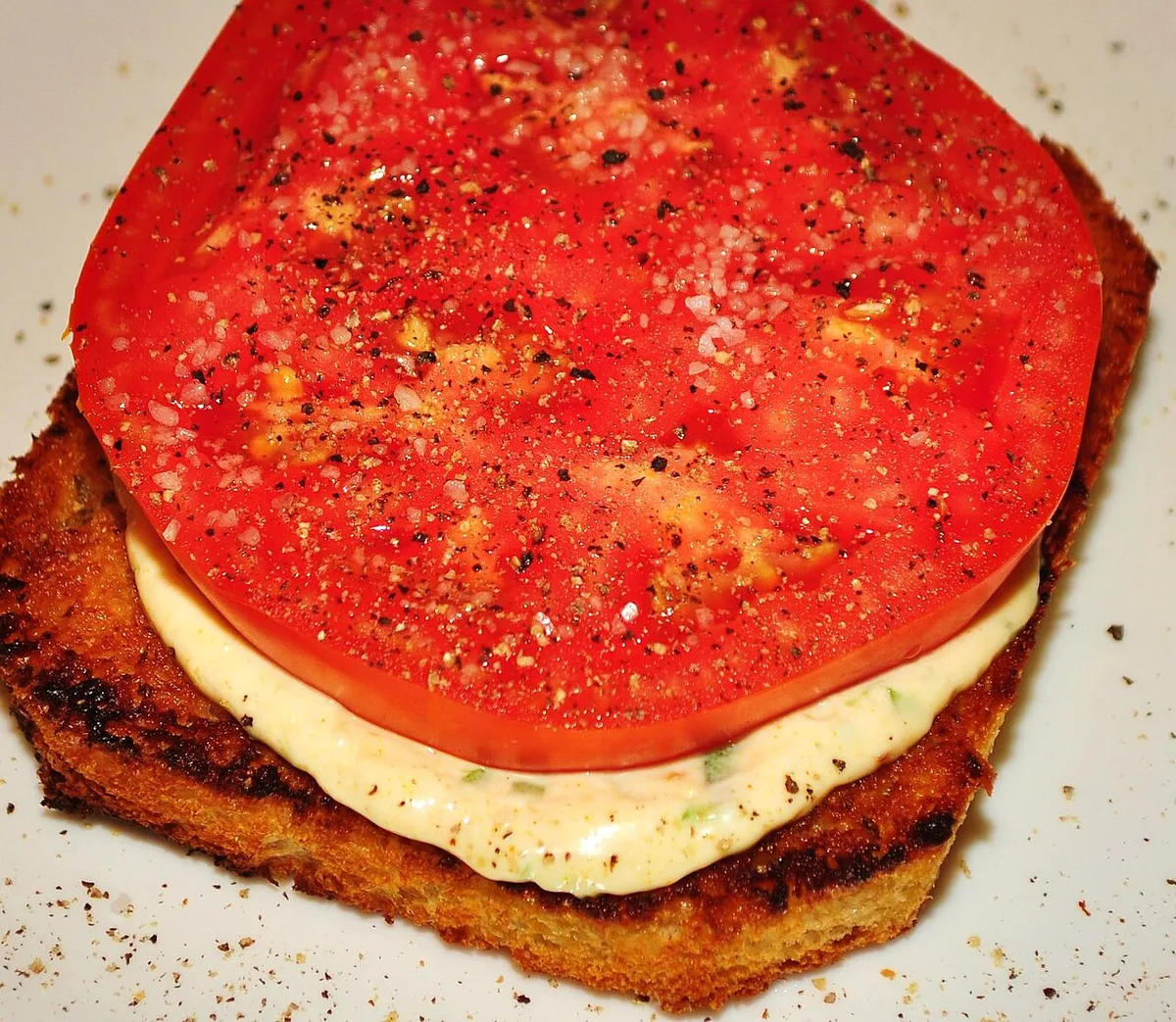
Image source: Wikimedia Commons / jeffreyw (CC BY)
Slice Even and Consider Peeling
Your slice thickness sets the tone. Quarter-inch rounds dry faster and make great snacking chips. Half-inch rounds take longer but give you a heartier bite for soups and stews.
Whatever you choose, keep them uniform. Uneven slices mean some come out leathery while others shatter.
The skins are a personal call. They dry into a slightly papery texture. If you plan to snack on the slices straight from the jar, peel them first.
A quick blanch in boiling water for 45 seconds, then an ice bath, makes the skins slip right off. It's an extra step, but the texture upgrade is noticeable.
Flash Freeze Like It's Non-Negotiable
This is the step most beginners skip, and it's exactly why their tomatoes fuse to the tray. Raw tomato juice freezes into a solid bond with the metal. When you try to lift the dried slice, it breaks into pieces.
Lay your slices on a parchment-lined baking sheet in a single layer. Pop them in your regular freezer for six to eight hours, until they're fully solid. Then transfer them to your freeze dryer trays.
They come off clean, every single time.
Dry, Test, and Don't Rush It
Load the frozen slices into your freeze dryer and run a standard cycle. Expect roughly 24 to 36 hours for quarter-inch slices. Half-inch slices can push toward 40 hours.
Don't trust the machine's timer blindly. Check the visual cues.
A fully dried tomato slice snaps cleanly when you bend it. It should be brittle, not chewy or leathery. If it bends, it needs more time.
Add a couple hours and test again. Rushing this step risks trapping moisture, which ruins your entire batch during storage.
Path 2: Tomato Sauce & Puree (The Meal-Starter Route)
Tomato sauce is the workhorse path. A single tray of dried sauce chunks gives you quick meal starters all winter. The process is different from fresh slices, and it's all about managing water.
Reduce the Sauce Until It's Thick
If you pour a watery jar of marinara into a freeze dryer tray, you'll wait twice as long and end up with a thin, brittle sheet that's awkward to store. The fix is simple. Simmer your sauce on the stove until it's thick and jam-like.
You're removing water before the machine has to do it. That cuts cycle time significantly. A concentrated sauce also yields a denser, more flavorful final product.
Think of it as a flavor bomb instead of a thin wafer.
Pre-Freeze to Stop the Splatter
Liquids do something annoying inside a vacuum chamber. They bubble and splatter as the vacuum pulls gases out. The splatter hits other trays, the chamber wall, and sometimes the lid.
It's a mess to clean.
The trick is to pre-freeze your reduced sauce in the tray first. Solid blocks don't bubble. Just pour the reduced sauce into a tray, level it out, and freeze it solid.
Then load the frozen block into your freeze dryer. The machine does the rest without drama.
Rehydrate the Right Way
Dried sauce discs won't dissolve evenly if you just drop them in water. Break them into smaller chunks first. Then drop those chunks into soups, stews, or pasta water while it simmers.
The sauce rehydrates in minutes and releases its concentrated flavor directly into the dish. For a quick meal, crumble a couple chunks into a hot pan with a splash of water. Stir, and you've got a rustic tomato base for pasta in under five minutes.
Path 3: Tomato Paste (The Easiest Freeze-Dry Win)
Tomato paste is the cheat code of freeze drying tomatoes. It's already concentrated, so it loses very little weight and dries faster than almost anything else you'll run.
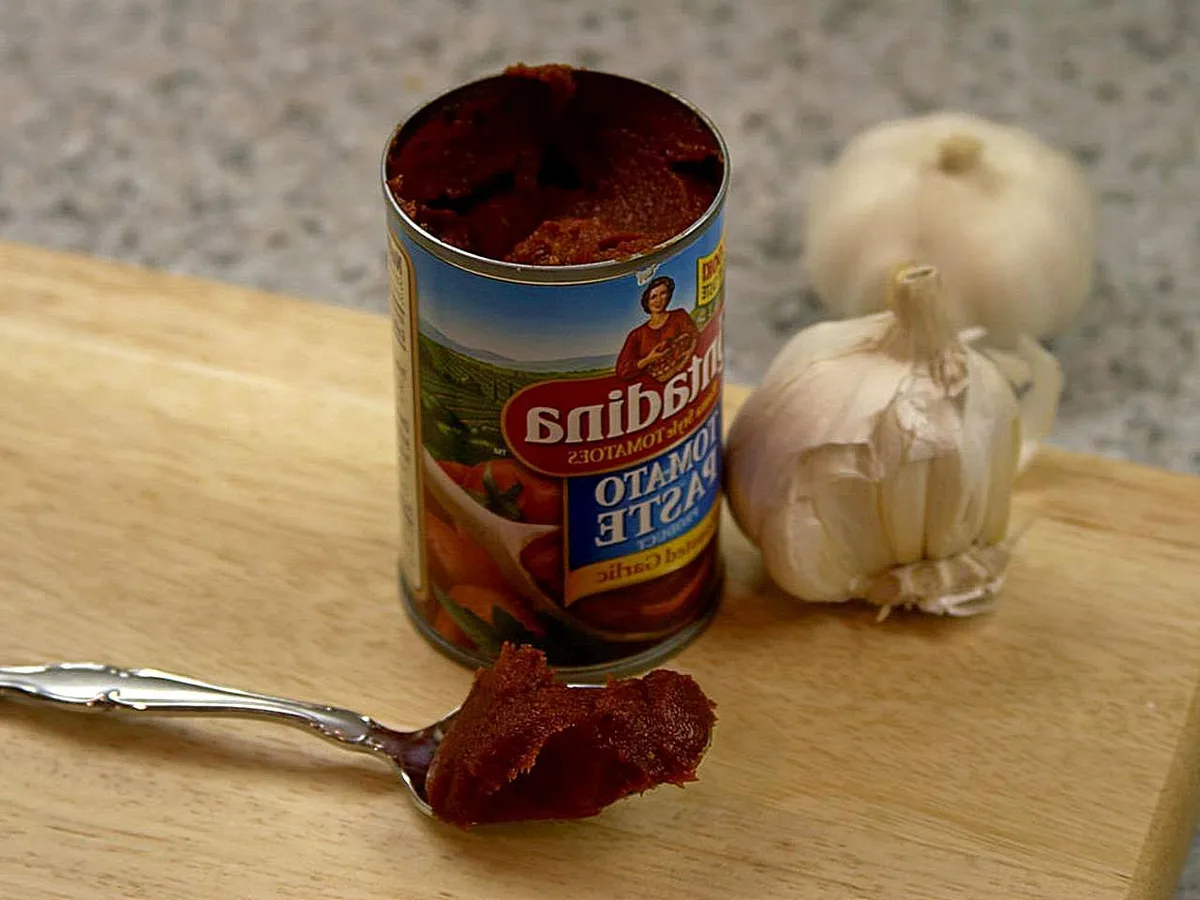
Image source: Wikimedia Commons / Jon Sullivan
Scoop, Load, and Done
Use a small spoon to scoop out dollops about the size of a grape. Space them on your tray. No flash freezing needed, no reducing, no peeling.
Load the tray and run your normal cycle.
Because tomato paste is already thick, the drying time is shorter, often under 24 hours. The finished nuggets are crunchy, intensely red, and packed with umami. They store beautifully in a jar with an oxygen absorber.
The Best Use for Paste Nuggets
These little nuggets are perfect for cooking. Toss one or two directly into a pan when you're building a sauce. They dissolve quickly and add instant depth.
This is the only path where the result actually tastes like fresh tomato paste, not a watered-down version of it.
If you make your own tomato paste from a big harvest, freeze drying it this way preserves the flavor far better than freezing it in ice cube trays. Plus, the shelf life is drastically longer.
Doneness, Storage, and Rehydration: Finishing the Job
No matter which path you choose, the final steps determine whether your hard work lasts or spoils. Doneness testing is critical. So is packaging.
The Snap Test
The snap test works for everything. Slices, sauce chunks, paste nuggets. Take one piece out of the freeze dryer and press it between your fingers.
If it snaps cleanly with zero flex, it's done. If it bends, squishes, or feels leathery, it needs more time.
Be thorough with this. Check multiple pieces from different parts of the tray. Center pieces often dry slower than edge pieces.
When in doubt, add another hour. Moisture is the enemy, and a fully dry result is the only safe result.
Sealing for Years of Shelf Life
Once dry, tomatoes need protection from oxygen and moisture. Mylar bags with oxygen absorbers are the gold standard. Fill the bag, drop in an absorber, and seal it with a heat sealer.
You can also use glass canning jars with oxygen absorbers and a vacuum sealer attachment. According to the National Center for Home Food Preservation at the University of Georgia, properly dried and packaged produce can last years without quality loss. Keep your stored tomatoes in a cool, dark pantry.
Heat and light degrade color and flavor over time.
Rehydration That Actually Works
For cooking, crumble dried tomatoes and add them directly to hot liquids. They rehydrate quickly in simmering soups, sauces, and stews. For salads or snacking, rehydrate slices in warm water for five to ten minutes.
They'll plump back up with a texture close to fresh.
A quick rehydration tip: use the water you soaked them in for cooking. It absorbs all the tomato flavor and makes a great base for rice, couscous, or braising liquid.
Mistakes That Ruin a Batch (And How to Avoid Them)
Even experienced freeze dryer owners hit these walls. Knowing them beforehand saves you time, frustration, and wasted tomatoes.
- Skipping the flash freeze. Raw tomato juice freezes into a permanent bond with the tray. Result: shattered slices and a frustrating cleanup. Always pre-freeze sliced tomatoes on parchment before loading.
- Drying halves instead of slices. Tomato halves look like a time-saver, but they dry unevenly. The center stays leathery while the edges turn brittle. Stick to uniform quarter-inch or half-inch rounds.
- Pouring watery sauce straight in. A thin sauce spreads into a brittle sheet and runs the machine for twice as long. Reduce it to a jam-like thickness first. Your final product will taste stronger, too.
- Trusting the machine timer blindly. Timers are estimates, not guarantees. Moisture hides in the thickest part of the tray. Always pull a sample and run the snap test before you break down the machine.
- Storing without oxygen absorbers. Freeze-dried tomatoes are hygroscopic. They'll pull moisture from humid air and spoil within months. Seal them in Mylar with oxygen absorbers for multi-year storage.
One more subtle one: overcrowding the tray. Slices that touch can fuse during drying. You'll lose a few pieces when you pry them apart.
Give each slice a little breathing room.
Frequently Asked Questions
How long do freeze-dried tomatoes last?
Properly dried and sealed with oxygen absorbers, freeze-dried tomatoes can last up to 25 years in a cool, dark pantry. The two critical factors are complete dryness and an airtight seal. Temperature fluctuation is the main enemy of long-term flavor.
Do I need to peel tomatoes before freeze drying?
No, peeling is optional. But if you plan to snack on the dried slices, peel them first. The skins turn papery and chewy, which clashes with the crispy texture you want.
Can I freeze dry canned tomatoes?
Yes. Use whole peeled, crushed, or diced tomatoes from a can. Pour off the excess liquid, simmer the tomatoes down to a thick pulp, then pre-freeze before running your cycle.
The canned flavor works surprisingly well.
What's the difference between dehydrated and freeze-dried tomatoes?
Dehydrated tomatoes turn leathery and chewy, and they take hours to rehydrate. Freeze-dried tomatoes stay crisp, rehydrate in minutes, and retain more vitamins and color. The trade-off is that freeze dryers cost significantly more than basic dehydrators.

Similar Posts