Can You Freeze-Dry With a Dehydrator?
Botanical Horticulturist & Food Preservation Specialist at Brittle Bloom · Certified Master Gardener & Master Food Preserver · 12+ Years in Plant Propagation & Food Preservation
Can you freeze-dry with a dehydrator? The short answer is no. A dehydrator drives out moisture with warm airflow.
A true freeze dryer uses a vacuum to sublimate ice directly into vapor. Those are two completely different mechanisms.
That difference is measurable, and it matters for anything you plan to store long-term. Home freeze dryers hold food below the triple point of water at 0.01°C while pulling a vacuum around 300 mTorr. Dehydrators run between roughly 95°F and 165°F and never create a vacuum.
Keep those numbers in mind, because they explain every trade-off below.
Quick Answer: Can You Freeze-Dry with a Dehydrator?
The Short Answer Before We Dive In
No. A dehydrator cannot freeze-dry food because it lacks a vacuum chamber and a cold trap. The best it can do is dry food that was previously frozen, which leaves ordinary dried food with lower quality.
True lyophilization requires sub-zero temperatures and reduced pressure at the same time.
That means your dehydrator is not a budget freeze-dryer substitute. It is a tool for heat-drying, and it works fine for many foods. But if you want the crispy texture, fast rehydration, and 25-year shelf life of real freeze-dried food, you need the actual machine.
What's Actually Happening Inside a Dehydrator vs. a Freeze Dryer
How Heat-Drying Works
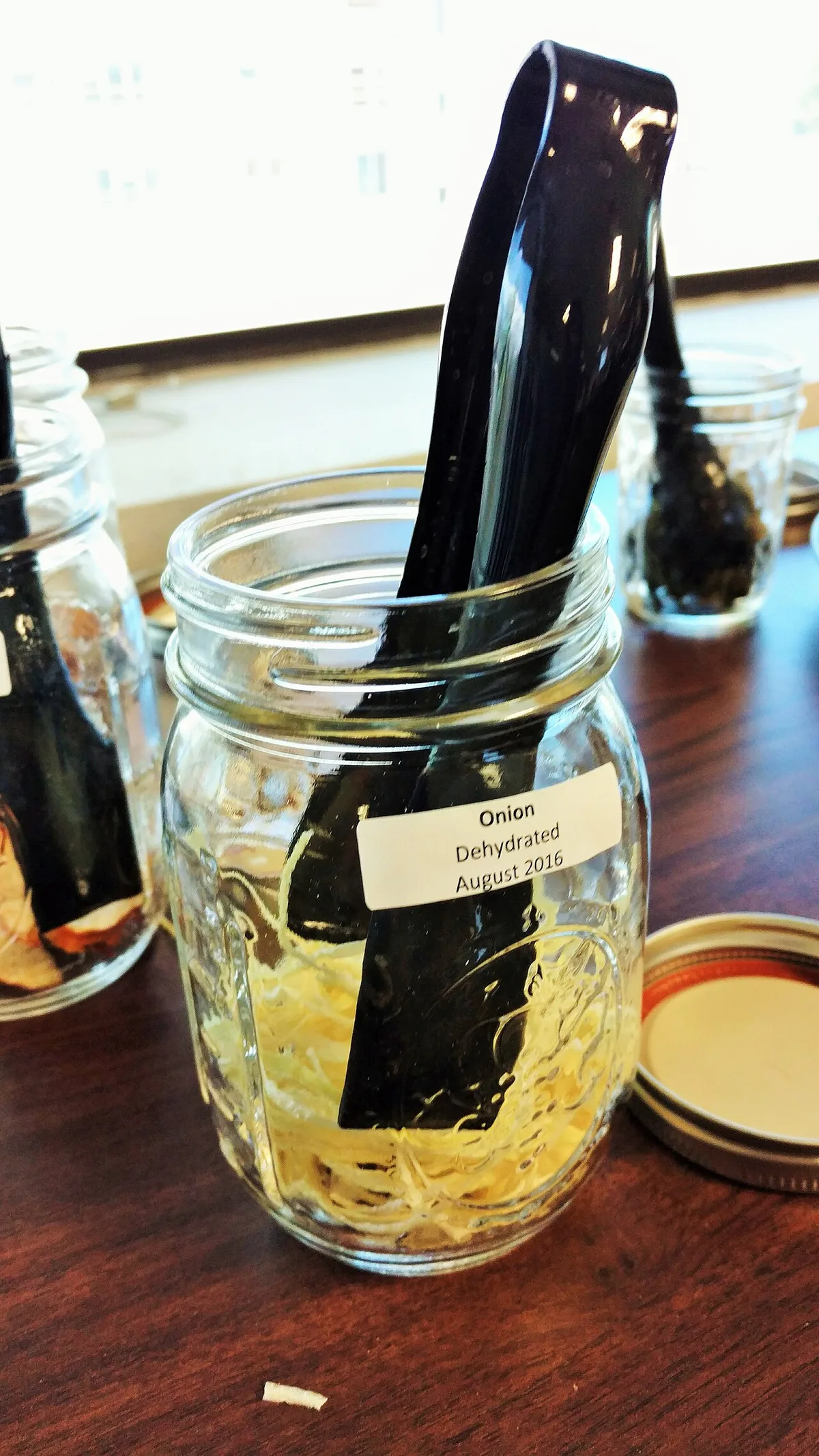
A dehydrator is basically a fan-forced warm-air box. It moves heated air across food surfaces, evaporating free water from the outside inward. This is the same process as air-drying, just faster and more controlled.
The key word is evaporation. Water goes from liquid to vapor while the food sits at warm temperatures. Because heat is involved, some nutrients and flavors degrade, and the food's cell structure collapses as moisture leaves.
That's why dehydrated fruit turns leathery and vegetables get brittle.
How Lyophilization Works
A freeze dryer takes the opposite path. It first freezes the food solid, usually to around -40°F, then applies a vacuum that forces the ice to sublimate. Sublimation means ice turns directly into vapor without melting.
The same process keeps frozen meats from dehydrating in a freezer, just much more precisely.
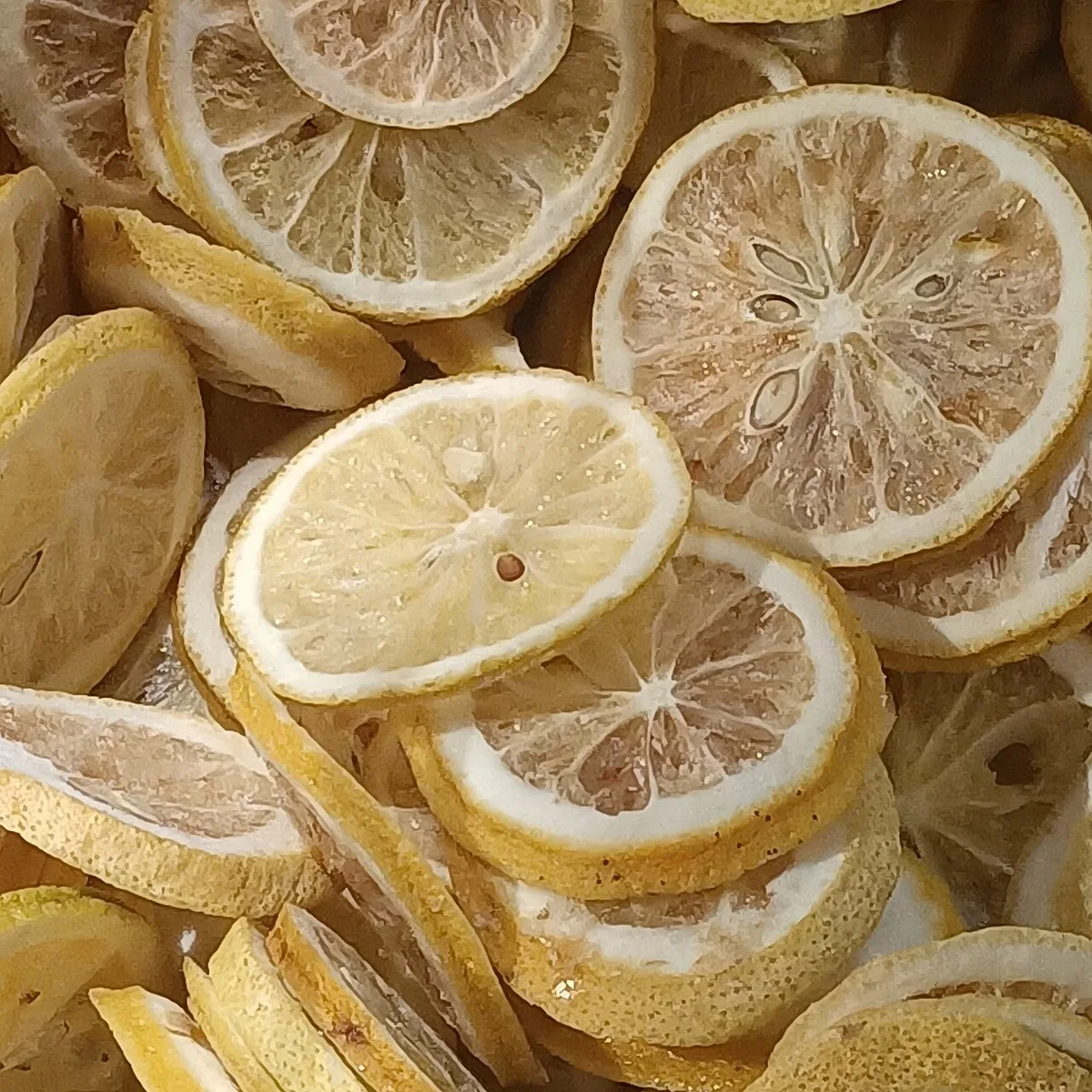
Because the food never thaws during drying, its cellular structure stays intact. Vitamins and colors hold up better, and the end product is a light, crispy chunk that rehydrates in minutes. That structural preservation is the real distinction, not just the equipment price tag.
This is also why why vacuum alone doesn't freeze-dry matters. A chamber that only pulls vacuum on warm food will boil off moisture, but it won't sublimate anything. The freeze step is non-negotiable.
The "Freeze It First, Then Dehydrate" Hack Everyone Tries (and Why It Fails)
What People Actually Do
Someone freezes strawberries, pops them into a dehydrator, and expects freeze-dried berries. The machine blows warm air over the frozen fruit, and what comes out looks kind of similar at first glance. So does the trick work?
No, it doesn't. When warm air hits frozen food, the surface starts to thaw before any drying happens. You get a sticky, half-melted mess that then dehydrates slowly and unevenly.
The result is dense, chewy, and a lot darker than properly freeze-dried fruit.
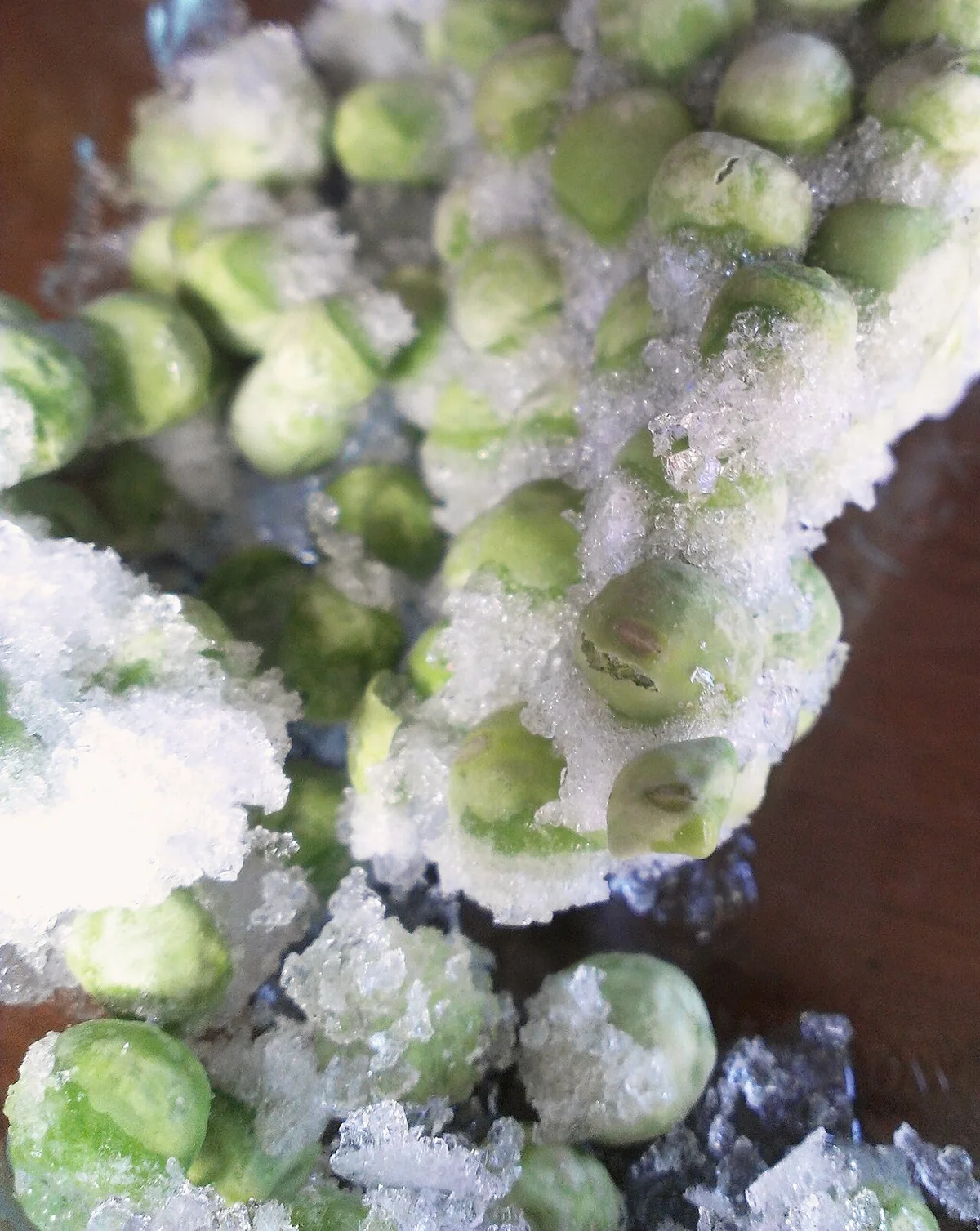
Image source: Wikimedia Commons / User:Ragesoss (CC BY-SA)
Why Thawing is the Dealbreaker
In true freeze-drying, the ice sublimes at a temperature well below freezing. In a dehydrator, there's no vacuum, so the frozen water-thaw transition happens first. That single difference breaks the entire process.
Some folks say "frozen plus dehydrated" is good enough for camping meals. It's edible, sure, but it rehydrates poorly and spoils faster than freeze-dried food. Per USDA FSIS home food preservation guidelines, any dried meat or poultry also needs pre-cooking and a safe heat step.
A dehydrator can deliver that; a failed freeze-dry hack cannot.
If you're trying to extend shelf life, the proper long-term storage steps matter more than the drying method. But packaging can't fix a product that was never fully dried in the first place.
Freeze Dryer vs. Dehydrator: Side-by-Side Comparison
The Numbers That Matter
| Feature | Dehydrator | Home Freeze Dryer |
|---|---|---|
| Starting price | $50 to $300 | $2,000 to $3,500+ |
| Typical cycle time | 4 to 15 hours | 20 to 40 hours |
| Water removed | 90% to 95% | 98% to 99% |
| Shelf life | 1 to 2 years | 25+ years when sealed |
| Texture | Leathery or brittle | Crisp and porous |
| Rehydration | 20 to 60+ minutes | 2 to 5 minutes |
| Vacuum required | No | Yes |
| Noise level | Quiet fan | Loud vacuum pump |
Beyond the Spec Sheet
The price gap is the easiest number to see. As of 2026, a mid-range dehydrator costs less than a single freeze-dryer accessory. But a freeze dryer pays for itself if you preserve whole meals, dairy, eggs, or meat in large batches.
The real difference is daily practicality. A dehydrator fits on a countertop, uses about as much power as a space heater, and finishes a batch overnight. A freeze dryer needs floor space, constant maintenance, and a cycle that can run a day and a half.
We've published a deeper breakdown of the trade-offs if you want to dig into the details.
Which One Should You Use? A Simple Decision Guide
When a Dehydrator is Good Enough
If you want jerky, fruit leather, herbs, veggie chips, or dense dried snacks for a season or two, a dehydrator is the right tool. It's affordable, simple, and forgiving.
Use a dehydrator when:
- You're making snacks to eat within a year.
- You're storing dried herbs or peppers.
- You're on a tight budget.
- You need a small footprint.
- You're okay with longer rehydration times.
When You Actually Need a Freeze Dryer
Choose a freeze dryer when the food's structure, taste, or shelf life really matters. That means whole meals, dairy, high-fat items, or anything you want to reconstitute quickly.
A freeze dryer earns its keep if:
- You're prepping for emergencies or long-term storage.
- You grow or hunt enough food to preserve in bulk.
- You need lightweight meals for hiking or camping.
- You want to sell freeze-dried products locally.
A dehydrator can't perform those jobs, no matter how careful you are. It's the classic "right tool for the right project" situation. And when you're shopping used, the pump hours tell the real story about a machine's condition, so check those before you buy.
Once you've chosen your drying method, the work isn't over. How you prep, load, and finish your food decides whether it lasts months or rots in the pantry. Loose airflow, overloaded trays, and skipped pretreatment steps are the usual culprits.
Common Dehydrating Mistakes That Waste Food (or Worse, Make You Sick)
The Botulism Risk Nobody Talks About
Under-dried food is the biggest danger with a dehydrator. If you pack it in an oxygen-free jar or Mylar bag, anaerobic bacteria can produce botulism toxin. That risk is precisely why the National Center for Home Food Preservation stresses proper dryness tests and conditioning before long-term storage.
The same danger applies to freeze-dried food that never fully dried. A machine can only remove the moisture its cycle reaches. If the load was oversized or the vacuum pump was weak, moisture lingers.
That's why packaging and storage mistakes honestly cause more spoilage than the drying method itself.
Other Common Dehydrator Pitfalls
- Slicing pieces unevenly, so thin bits over-dry while thick bits stay damp.
- Loading too many trays, which blocks airflow and extends cycle time.
- Drying fatty foods like sausage or high-fat fish without pre-cooking, which leads to rancidity.
- Forgetting to blanch vegetables, leaving enzymes that darken color and destroy flavor.
- Confusing "dry to the touch" with "fully dry through the center."
A quick bend test helps. Most vegetables should snap cleanly. Fruit leathers should peel off the sheet without sticking, and jerky should crack but not break when bent.
If anything feels leathery or cool to the touch, it's not done.
FAQs: Freeze-Drying and Dehydrating Questions People Still Ask
Can you put frozen food directly into a dehydrator?
You can, but the results won't match freeze-drying. The food thaws as warm air circulates, releasing juice that slows drying and breeds bacteria. If you do this, keep the batch small and raise the temperature above 130°F quickly.
Is freeze-dried food the same as dehydrated food?
No. Freeze-dried food keeps its cell structure because ice sublimates at low pressure. Dehydrated food collapses as heat drives off moisture.
That's why freeze-dried strawberries are crisp, while dehydrated ones are tough and chewy.
How do you tell if food is properly dried?
The reliable test is water activity, not appearance. Commercial operations measure a_w with a meter, but home users can use the brittle test. If a piece snaps with a clean break, it's dry.
If it bends or feels cool, it needs more time.
Can a freeze dryer dry liquids like milk or soup?
Yes, and that's a major advantage over dehydrators. Liquids stay contained in trays and freeze into a solid block before sublimation. Dehydrators make a mess with liquids, and dairy often spoils before it dries.
What happens if you eat under-dried food?
Usually nothing, but the risk isn't zero. Under-dried food can harbor mold or bacterial growth, especially if sealed without oxygen. When in doubt, throw it out.
The cost of a lost batch beats a hospital visit.
The Bottom Line: Should You Get a Freeze Dryer or Stick With a Dehydrator?
This comes down to one question: what are you preserving for? If you want snacks for the next few months, a dehydrator handles it well. You'll spend under $200 and finish a batch in an evening.
If you're prepping for years, preserving whole meals, or storing dairy and meat, a freeze dryer is worth the investment. It costs twenty times more and takes three times as long per cycle, but the shelf life and texture justify it. The freeze-dry versus dehydrator comparison our team wrote covers the details.
If you already own a dehydrator, don't feel pressured to upgrade. Learn its limits, dry foods that suit it, and package everything with oxygen absorbers. If you own a freeze dryer, keep running it, but respect the process.
And if you're on the fence, read about what actually tracks a used machine's health before buying secondhand.

Similar Posts